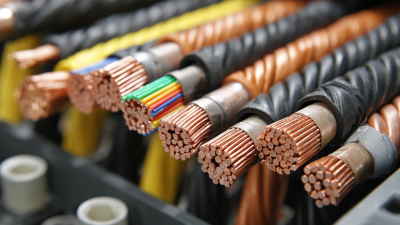
You know, the world of energy transmission is really changing fast, and we can’t overlook how important
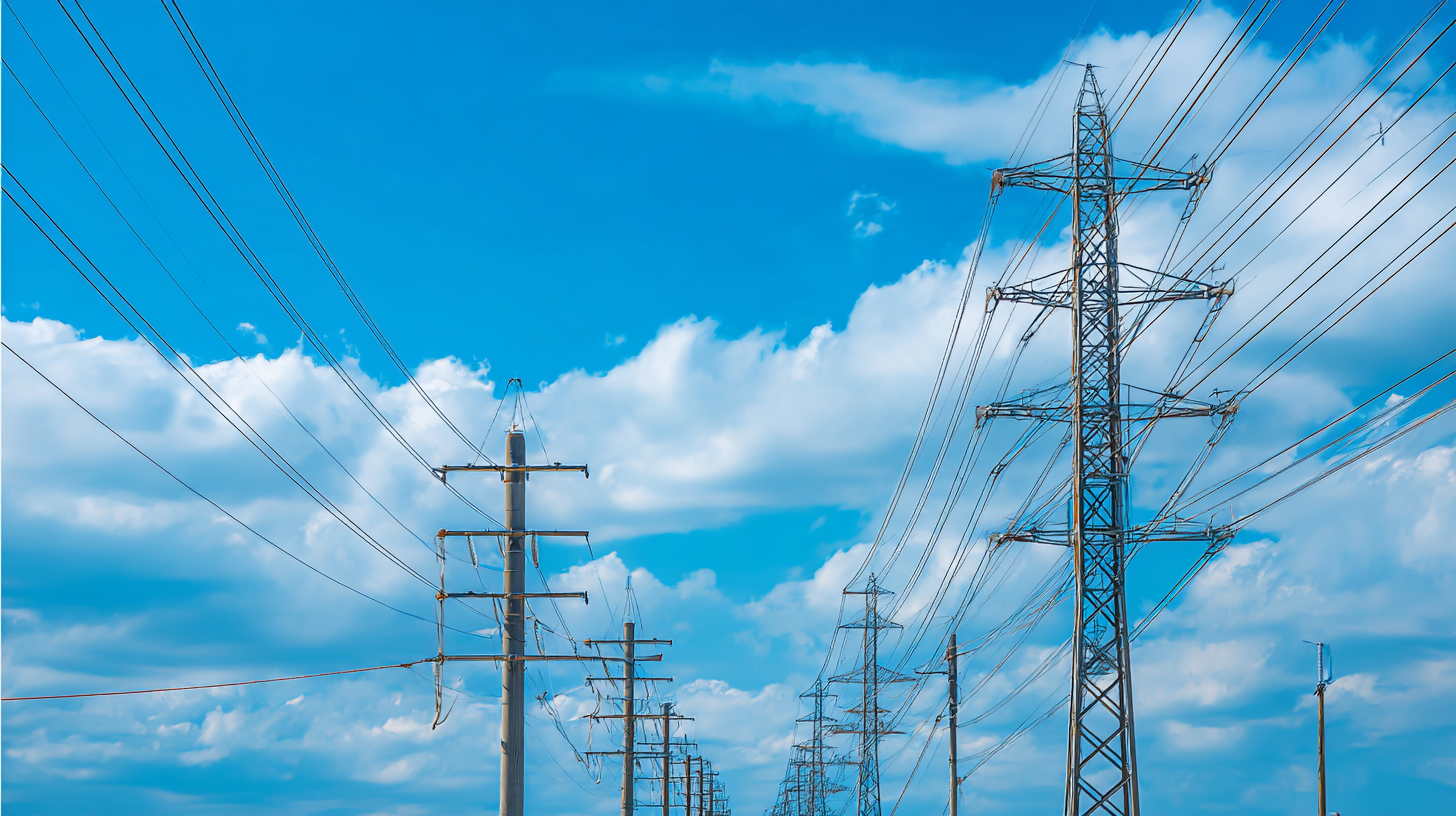
Overhead Conductor Cables are in all of that. According to some market research I came across, they’re predicting that the global overhead conductors market will hit around USD 12.7 billion by 2025. That’s driven mainly by our growing need for reliable and efficient power distribution systems.
Take HENAN TINDE POWER CO., LTD., for example. They’re based in
Zhengzhou, Henan province in China, and they’re really leading the charge when it comes to these kinds of innovations. They focus on installing and selling power equipment, wires, cables, and those handy cable accessories. What’s cool is their commitment to using the latest technology, which really shows their strength as a trusted partner in global energy solutions.
Plus, it fits right in with all the new advancements happening in overhead conductor cable design and manufacturing. So, as we move closer to 2025, getting a grip on these innovations is going to be super important for anyone looking to boost operational efficiency and sustainability in the power distribution space.
Emerging Trends in Overhead Conductor Cable Technology for 2025
As we look ahead to 2025, it’s pretty fascinating to see how quickly overhead conductor cable tech is changing, thanks to an exciting mix of sustainability goals and some serious breakthroughs in materials science. You know, a recent report from the International Energy Agency suggests that we're going to see a whopping 30% jump in the demand for efficient and reliable power transmission systems over the next five years. That's really pushing manufacturers to get creative! They're diving into lightweight materials like aluminum alloys and composite conductors, which can cut down on transmission losses and boost performance quite a bit.
One really cool trend popping up in this area is the use of smart technology in overhead conductor systems. A study from the Electric Power Research Institute points out that these smart conductor cables, complete with sensors, can give us real-time info on things like thermal conditions and electrical loads. This kind of monitoring not only makes power distribution more reliable but also strengthens our grid against outages—especially important with climate change shaking things up for utilities. Moving forward, these innovations are set to really change how utilities handle their systems and tackle the challenges we’re facing in the power sector.
Key Innovations Driving Efficiency and Sustainability in Overhead Conductors
Hey there! So, let’s talk about what’s coming up in the tech world by 2025, especially when it comes to overhead conductor cables. Things are really set to change in some exciting ways! We’re seeing some key innovations pop up that are all about boosting efficiency and making everything more sustainable. With global energy needs on track to jump by about 25% by 2025, the push for better materials and technologies in overhead conductors couldn’t be more crucial. I mean, a recent report from the International Energy Agency points out that high-temperature superconductor (HTS) cables might cut transmission losses by up to 50%. That’s huge for energy providers—it could really flip the game on its head!

Now, let me tell you about HENAN TINDE POWER CO., LTD. They’re leading the charge in this transformation, diving headfirst into creating and installing some seriously advanced power equipment. They're super committed to R&D, which means they can deliver top-notch wire and cable solutions that fit right into the growing demand for efficiency and being eco-friendly. We’re talking about innovative materials like aluminum conductor steel-reinforced (ACSR) and aluminum alloy conductors, which not only amp up strength and efficiency but also help cut down carbon footprints.
Pro Tip: When you’re on the hunt for overhead conductor solutions, go for materials that boost thermal conductivity and lower voltage drop. Those factors can really change how well your entire system performs!
Oh, and don’t forget to look into tech with smart monitoring features. They can help you fine-tune maintenance schedules and keep downtime to a minimum, which definitely leads to a more reliable power supply. Not only does this kinda innovation back up sustainability efforts, but it also paves the way for smarter energy management. Pretty cool, right?
Market Players: Leading Companies in the Overhead Conductor Cable Industry
You know, the overhead conductor cable industry is really shaking things up these days. It’s pretty fascinating to see how it’s keeping pace with the changing needs of the energy sector. Big names like Nexans, Southwire, and General Cable are leading the charge with some pretty cool innovations. A recent report from Market Research Future even predicts that the global overhead conductor market could hit about $9.15 billion by 2025, growing at an annual rate of around 5.6%. That’s mainly due to our increasing need for reliable and efficient power transmission, especially as we embrace more renewable energy sources.
But it’s not just the usual players that are making waves; new companies with fresh ideas are getting in on the action too. For instance, there’s a growing focus on lightweight and compact designs that make installation so much easier and help cut down on material costs. And guess what? The demand for advanced aluminum conductor composite reinforced (ACCR) cables is set to climb because they offer better conductivity and durability. As these changes unfold, it’s going to be vital for everyone in the industry to collaborate and find innovative solutions to the challenges we’re facing in modern power distribution.
Regulatory Changes Impacting Overhead Conductor Cable Adoption in 2025
As we look ahead to 2025, it seems like the world of overhead conductor cables is about to get a pretty big makeover, especially with all the new regulations coming into play. These fresh rules are really spotlighting sustainability and how to run things more efficiently, which means we're seeing a lot of companies jump on board with the latest conductor technologies. A recent market report from Grand View Research even predicts that the global overhead conductor market will grow at a solid 5.6% each year from 2023 to 2030—all thanks to these changing regulations. Governments everywhere are stepping up with stricter energy efficiency standards, giving a nice boost to innovative conductor solutions.
On top of that, there’s this huge momentum toward integrating renewable energy. It's creating an insane demand for power transmission solutions that really work. The U.S. Department of Energy thinks that by 2025, if we follow the new national energy policy closely, we could see a 20% drop in transmission losses for overhead lines. This kind of shift is a golden opportunity for companies to think outside the box when it comes to cable materials and designs. The goal? To not just meet regulatory standards but to absolutely smash through them. And you know what? That would benefit both utility providers and consumers in a big way. It's really an exciting time as policy changes and tech advancements collide, setting us up for some serious growth and evolution in the overhead conductor cable scene.
Navigating the 2025 Tech Landscape: Innovations in Overhead Conductor Cables
This chart illustrates the projected adoption rates of various overhead conductor cable innovations influenced by regulatory changes in 2025.
Case Studies: Successful Implementation of Innovative Overhead Conductor Solutions
You know, as technology keeps changing and evolving, there’s been a real jump in the demand for some fresh overhead conductor solutions. It’s pretty fascinating to see how different industries are starting to embrace new materials and systems.
Take a look at some case studies, and it’s clear that companies using these clever innovations not only boosted their efficiency but also made strides in safety. For example, one utility company managed to integrate this cool aluminum-steel composite conductor that reduced weight while staying super strong.
 This change really optimized their aerial line performance and even cut down on maintenance costs.
If you’re thinking about rolling out some innovative overhead conductor solutions, it’s super important to take a step back and assess what your specific infrastructure needs are. Make sure you chat with suppliers who can offer you a lot of handy field data and performance analytics; that’s key in figuring out how different types of conductors can benefit you.
Also, don’t forget that getting engineers, project managers, and regulatory teams on the same page is vital for successfully bringing in new technologies. Keeping the lines of communication open and establishing a solid feedback loop during the implementation can really help tackle any bumps in the road.
When everyone’s involved and on board, it can make a huge difference in project outcomes and really push forward sustainable advancements in tech.
Future Projections: Anticipating the Next Decade of Overhead Conductor Developments
Looking ahead to the next decade, we’re really going to see some big changes in overhead conductor innovations. I mean, with electricity demand in certain areas projected to jump by around 30%, there's definitely going to be a pressing need for better, more efficient overhead conductor cables. These new developments are crucial not just for supporting the booming high-tech manufacturing and data centers, but they’re also going to make urban electrification so much more effective. So, staying updated on the latest advancements is super important.
Here’s a tip: when you’re weighing your options for overhead conductors, go for materials that really boost conductivity and durability. Innovations like advanced aluminum alloys and composite materials are changing the game, giving us cables that are lighter, tougher, and totally up to the task for our evolving electrical grid.
And let’s not forget, as we all push harder for sustainability, the evolution in overhead conductor technology needs to match those climate goals. The cool new innovations coming down the pipeline are set to really cut down on energy loss and lessen environmental impacts, which is great news for both utility providers and consumers alike. This blend of tech and eco-friendliness is key to anticipating the future of the market.
Oh, and one more thing: keep your eyes peeled for any regulatory changes around energy efficiency standards. These can seriously affect how quickly new technologies in overhead conductor systems are adopted. Being ahead of the curve on these regulations could give you a leg up in making smart investment choices!
Maximizing Efficiency with 3 Cores+2 Earth Power Cable: A Comprehensive Guide to XLPE Insulation Benefits
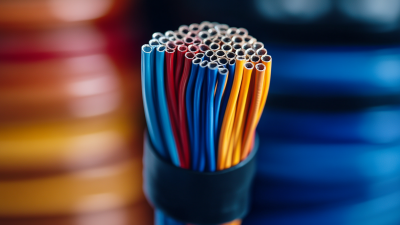
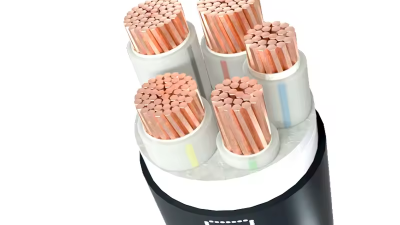
In the quest for maximizing efficiency in electrical installations, the 3 Cores + 2 Earth Power Cable stands out due to its robust construction and practicality. Designed to meet specific customer requirements, this configuration includes three main conductors dedicated to carrying three-phase alternating current (AC), alongside two earth conductors for enhanced safety. This design aligns with industry standards, particularly IEC60502, ensuring reliability and durability in various applications.
The XLPE (Cross-Linked Polyethylene) insulation used in these cables is a game-changer. It not only provides superior thermal and electrical performance but also enhances resistance to environmental factors such as moisture and chemicals. According to a recent industry report, XLPE-insulated cables demonstrate a longer lifespan and greater efficiency in energy transfer, making them ideal for modern energy systems, which increasingly rely on sustainable practices. With a voltage rating of 0.6/1000V, these cables are suitable for a wide range of applications, effectively reducing energy losses and contributing to lower operational costs.
Furthermore, the inclusion of two earth conductors plays a crucial role in protecting against electrical faults, significantly minimizing the risk of shock or fire. This safety feature is particularly important in industrial environments, where reliability is paramount. Data shows that installations utilizing 3 Cores + 2 Earth cables experience fewer interruptions, leading to improved productivity and a safer working environment. As industries continue to evolve, the importance of efficient and safe cabling solutions like the 3 Cores + 2 Earth Power Cable cannot be overstated.
FAQS
: Innovative overhead conductor solutions refer to advanced materials and systems designed to enhance the efficiency and safety of overhead electrical systems, such as new conductor types that reduce weight while maintaining strength.
Companies should engage with suppliers who provide extensive field data and performance analytics to evaluate different conductor types and their potential benefits for their specific infrastructure.
Collaboration among engineers, project managers, and regulatory bodies is crucial to streamline communication, address challenges proactively, and enhance project outcomes.
The next decade is expected to see significant transformations, including increased demand for efficient overhead conductor cables to support growing electricity needs, especially in high-tech manufacturing and urban electrification.
It is advisable to prioritize materials that offer improved conductivity and durability, such as advanced aluminum alloys and composite materials, which provide lighter and more resilient options for modern electrical grids.
Ongoing innovations in overhead conductor technology are expected to focus on reducing energy loss and environmental impact, aligning with climate goals to benefit both utility providers and consumers.
Regulatory changes related to energy efficiency standards can influence the adoption of new technologies, making it essential for companies to stay informed and proactive in understanding these regulations.
Utility providers benefit from enhanced efficiency and reduced maintenance costs, while consumers gain from improved service reliability and reduced environmental impact associated with new technologies.
Challenges may include technical issues, miscommunication among stakeholders, and regulatory compliance hurdles that need to be proactively addressed throughout the implementation process.
Ensuring all stakeholders are on board through streamlined communication channels and establishing a feedback loop during the implementation process can significantly enhance project outcomes.