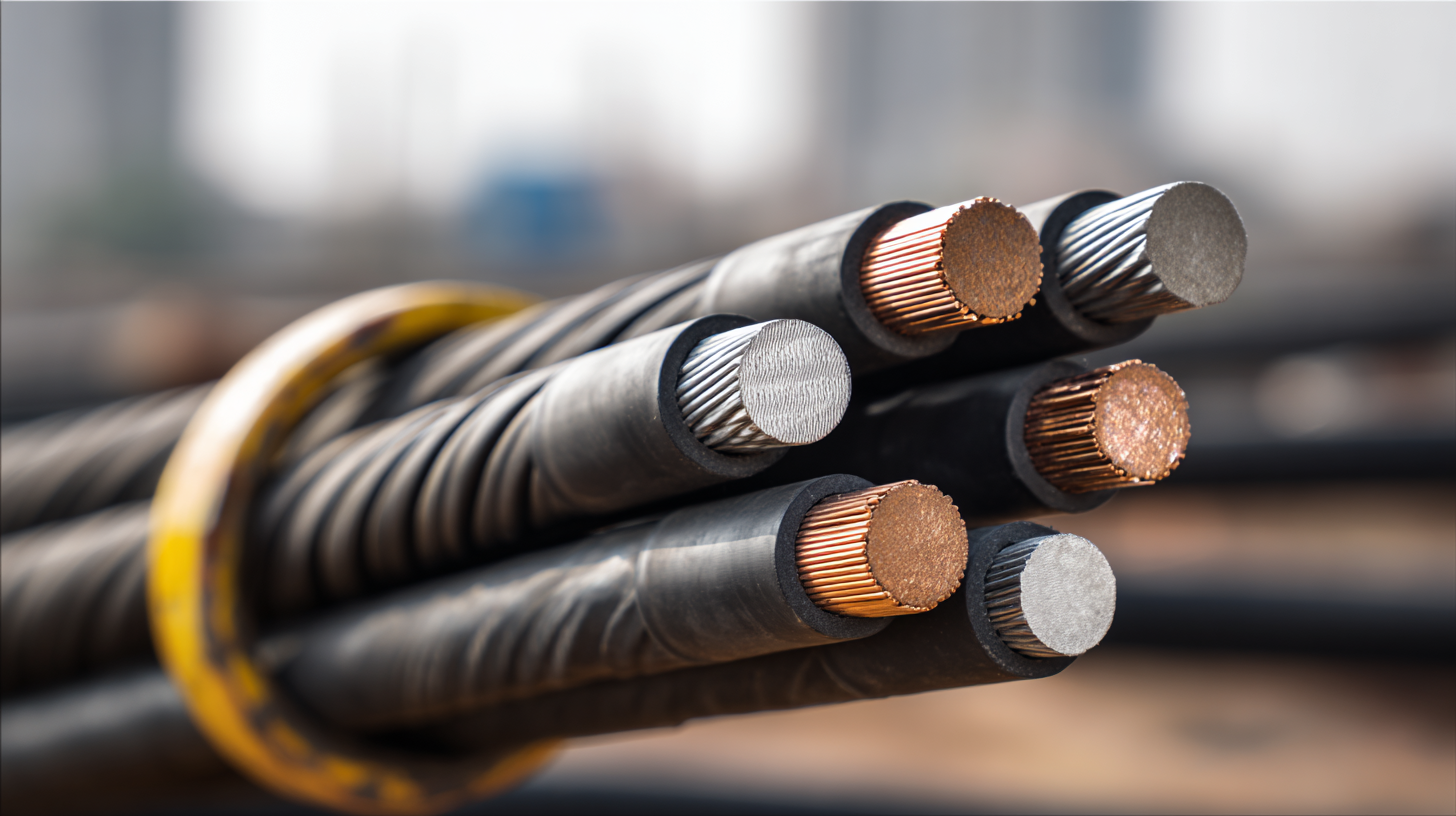
When you're tackling electrical projects, picking the right materials matters a lot for both efficiency and safety. Of all the options out there, ABC Conductor Cable really stands out — it offers solid performance and durability. But to get the most from ABC Conductor Cable, you've got to source from reliable suppliers. HENAN TINDE POWER CO., LTD. specializes in high-quality cables and power equipment, backed by years of industry experience and a strong reputation in Zhengzhou, Henan Province, China. In this post, I'll walk you through how to find a reputable supplier for ABC Conductor Cable, with a practical checklist to help you make informed decisions for your electrical projects.
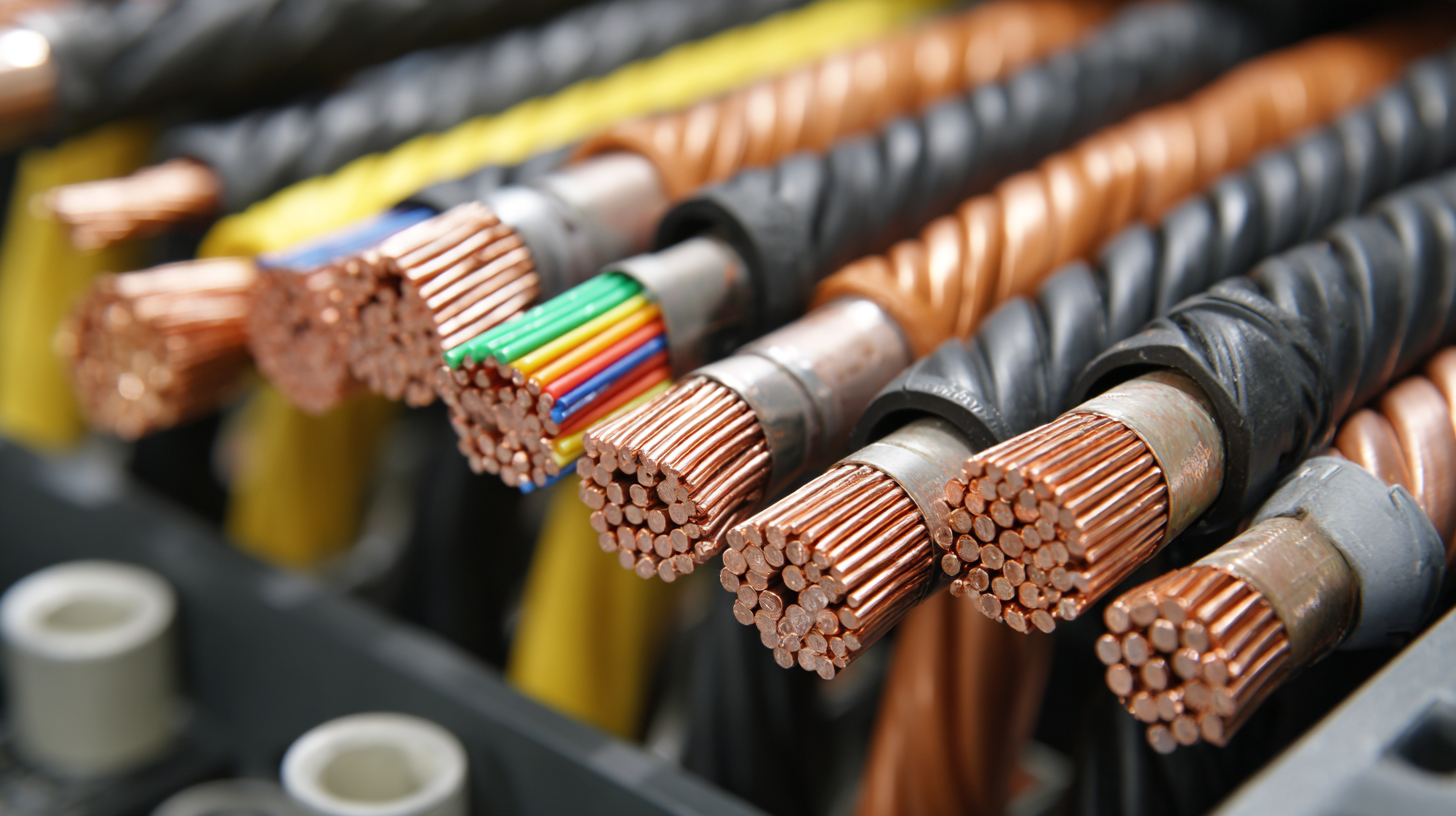
ABC (Aerial Bundled Conductors) cables have become a real cornerstone of overhead power distribution. They bring a bunch of benefits that make the system run more efficiently and reliably. One big plus is how much they cut line losses. The International Energy Agency notes that using ABC cables can reduce line losses by up to 30% compared with traditional conductors. That kind of reduction isn't just about squeezing out every watt—it's also about making operations cheaper and smoother for utilities.
On top of that, ABC cables boost safety in the distribution network. Their bundled design lowers the risk of electrocution and short circuits, especially in crowded urban areas. The IEEE reports that places using ABC systems see fewer electrical hazards and power outages, with incident rates dropping by as much as 50%. And the insulation they provide helps guard against weather-related damage, which extends the life of the infrastructure. All in all, these features make ABC cables a solid choice for modern electrical projects, delivering a safer, more dependable power supply.
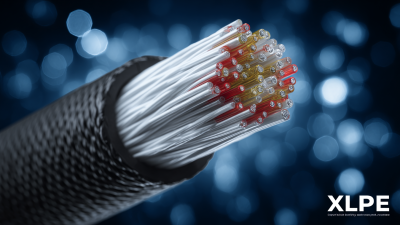
When you're planning electrical projects, picking the right materials matters. ABC cables, or Aerial Bundled Conductors, often stand out because of how well they perform. One standout feature is their conductivity. The conductors are made from high-purity aluminum, which helps the electricity flow smoothly and cuts down energy loss. That strong conductivity makes ABC cables a great choice for distributing power over long distances, boosting the overall efficiency of your system.
Beyond conductivity, the cables' strength and weight are important too. They're built to endure tough environments, with high tensile strength that helps resist damage from strong winds or heavy snow. And because they're lightweight, installation is simpler and you don't need as much heavy supporting hardware, which can save a lot on costs for overhead lines. Using these advantages, engineers can deliver reliable, cost-effective electrical solutions tailored to each project's needs.
| Cable Type | Conductivity (S/m) | Tensile Strength (MPa) | Weight (kg/km) |
|---|---|---|---|
| ABC-1 | 58 x 10^6 | 150 | 620 |
| ABC-2 | 56 x 10^6 | 180 | 640 |
| ABC-3 | 60 x 10^6 | 200 | 580 |
| ABC-4 | 59 x 10^6 | 160 | 600 |
When you're weighing the best solutions for your electrical projects, ABC conductor cables really stand out for their cost-efficiency. They deliver solid conductivity and durability, and they can slash installation and ongoing maintenance costs. Choosing ABC cables means you save on labor during installation because they're easier to handle and require less intricate setup than traditional overhead wiring. That adds up to immediate savings and smoother project timelines.
In the long run, maintenance is easier too, which means even more savings. Outdoor or overhead wires face weather-related damage; ABC cables are built to take harsh conditions, so you'll rarely need costly repairs. That reliability translates to fewer interruptions and a steadier power supply—something that matters a lot in our connected world. All in all, investing in ABC conductor cables boosts safety and reliability, and it makes good financial sense over time.
Look, the environmental benefits of using Aerial Bundled Conductors (ABC) in electrical projects are hard to miss. The Global Energy Interconnection Development and Cooperation Organization points out that ABC cables can cut transmission losses by up to 30% compared with traditional bare conductor systems. That kind of efficiency isn’t just about lower electricity bills—it’s also about less wasted energy and fewer carbon emissions.
Plus, adopting ABC technology really helps shrink the carbon footprint of the whole project. The International Energy Agency reports that energy transmission and distribution account for about 8% of global greenhouse gas emissions. By using ABC cables, utilities can push that number down because less energy is lost means less need to rely on fossil-fuel generation to meet demand. And as more renewables come online, ABCs make clean energy distribution easier and more reliable, which supports sustainability in communities and protects the environment for future generations.
Talking about boosting electrical safety in homes and workplaces, ABC (Aerial Bundled Conductor) technology really stands out. ABC conductors are basically several insulated wires bundled into one neat package, which greatly reduces the risk of faults or short circuits. This setup not only shields the wires from the elements but also lowers the chances of accidentally touching live conductors—crucial for safety. On top of that, the safety features built into ABC technology mean more reliable performance even when the weather turns nasty. That's important because traditional wiring can go down in storms or after minor bumps. By using ABC cable, electrical projects gain greater resilience and stability, which translates to higher safety standards. As the recent recall of power-fault alarms reminds us, guarding against fire risks stays a priority, and adopting advanced conductor tech is a smart, proactive step toward safer electrical environments.
When you compare Aerial Bundled Conductors (ABC) with traditional conductors, the advantages are pretty clear—especially in terms of electrical efficiency and durability. A recent study by Ujah and Popoola (2022) suggests that high-quality ABC cables can substantially cut energy losses during transmission thanks to their design and the materials used. ABC cables are typically made from pure aluminum, which not only conducts electricity very well but also resists corrosion better than traditional copper conductors. This matters a lot in harsh weather environments, where the lifespan of conductors is often the bottleneck.
The study also points out that the mechanical properties of ABC cables help them perform under higher electrical, mechanical, and thermal stresses common in modern installations. In fatigue tests, ABC cables outperformed traditional conductors, underscoring their resilience and ability to handle growing power demands. All of this, along with strong materials and innovative designs, fits well with building more efficient electrical systems to meet the needs of crowded urban infrastructure and expanding renewable energy solutions.
All in all, the takeaway is pretty straightforward: ABC technology lines up nicely with making grids smarter and more robust as cities densify and renewables come online.
BC cables?
Conductivity is crucial because it allows for efficient electrical flow while minimizing energy loss, making ABC cables ideal for power distribution over long distances.
The high tensile strength of ABC cables reduces the risk of damage from harsh environmental conditions, while their lightweight nature simplifies installation and minimizes the need for extensive support structures.
ABC cables are designed with multiple insulated wires bundled together, reducing the risk of electrical faults and accidental contact with live wires, enhancing overall safety.
ABC cables are more resilient during storms and adverse weather compared to traditional wiring systems, leading to fewer outages and providing greater stability.
Adopting advanced conductor technologies like ABC cables is a proactive step towards creating safer electrical environments, reducing fire risks and enhancing safety standards.