You know, in today’s fast-changing energy scene, picking the right components is super important if you want to boost efficiency in power distribution systems. One standout part that really makes a difference is the Single Core Power Cable. Recent reports from the industry suggest that the global power cable market is expected to hit a whopping $XX billion by 2025. It’s no surprise that Single Core Power Cables are catching on big time because they’re so versatile and efficient for all sorts of applications.
Now, let me tell you about HENAN TINDE POWER CO., LTD. They’re based in Zhengzhou, Henan province, China, and they really know their stuff when it comes to installing power equipment, dealing with wires and cables, and even designing and selling cable accessories. With all this expertise, they’re in a great position to assist businesses in tackling the complexities of global procurement. They really help you find top-notch manufacturers who stick to stringent quality standards, which ultimately helps companies enhance their operational efficiency and sustainability in power management.
The Essential Role of Single Core Power Cables in Global Supply Chains
You know, single core power cables really play a huge role in the global supply chain—they’re pretty much the backbone for moving electrical energy around efficiently. With all the recent issues in the energy sector, like that tough shortage of transformers that’s been throwing a wrench into renewable energy projects, their importance has really come into the spotlight. Engineers are working hard to come up with solutions to these bottlenecks, and that makes having reliable power infrastructure more crucial than ever. Choosing high-quality single core power cables not only helps to maximize efficiency but also cuts down the risks that come with supply chain hiccups, especially in energy-heavy industries.
Plus, it’s wild to think that the submarine cable system market is projected to hit $30.50 billion by 2030. It just shows how interconnected our global energy systems and technology really are. Efficient single core power cables make it easier to move energy across borders, which definitely boosts international trade and collaboration. With the energy landscape constantly changing, putting money into top-notch single core power cables is going to be key for companies that want to navigate the tricky waters of global procurement while also playing their part in creating a more sustainable future.
Navigating Quality Standards: How Chinese Manufacturing Leads the Market
When you think about global procurement, the quality of power cables really matters for keeping everything running smoothly. Chinese manufacturers have come a long way in hitting those international quality standards, and honestly, they’re setting the bar pretty high worldwide. With solid manufacturing processes and their strict adherence to various certifications, China has become a major player, especially in the single core power cable market. They’re not just keeping up; they’re often ahead of the game, thanks to their use of modern tech and innovative methods—delivering products that can meet or even beat global expectations.
Now, here’s a tip for you: When you’re on the lookout for single core power cables, make sure the manufacturer has solid documentation of their quality certifications. It’s super helpful to verify that they’re in line with international standards, which can save you from some nasty surprises down the road when it comes to product reliability.
Another benefit of teaming up with Chinese manufacturers is their knack for navigating those tricky supply chains. They have extensive networks and logistics systems in place, so the procurement process is often pretty quick, helping to keep your projects on track. And let’s be real—in an industry where time really is money, that kind of efficiency can totally change the game.
And here’s another tip: always take a look at the entire supply chain. Check not just the quality of the cables, but also if the manufacturer can deliver on time and manage any bumps that might pop up in logistics. A great supplier will have backup plans ready to face those unexpected hiccups.
Unlocking Efficiency: The Advantages of Choosing the Best Single Core Power Cable for Global Procurement
Key Benefits of Utilizing Single Core Cables for Enhanced Operational Efficiency
Hey, you know, single core power cables are really becoming the go-to option for a bunch of industries that want to step up their operational game. One of the coolest things about them is their slick design, which makes installation way easier and faster. I mean, without all those pesky multiple cores, you get to do some simple routing and connections, letting your team focus on what they do best instead of getting tangled up in complicated wiring. This single-core setup is a real lifesaver, especially in cramped spaces where every inch counts and you need to be flexible with your layouts.
Plus, on top of all that, these single core cables are often way better at conducting electricity, which means less energy is wasted when you're transmitting power. This not only amps up your performance but also helps save on energy costs, which is a big win for those sustainability goals so many companies are chasing after these days. By cutting down on electrical resistance, businesses can make sure that more of the power actually gets where it's supposed to go, boosting operational efficiency and helping to save some bucks. In today’s cutthroat market, tapping into the benefits of single core cables can really give companies a leg up in productivity and reliability.
Cost-Effectiveness of Sourcing from Chinese Manufacturers: A Competitive Edge
You know, when it comes to global procurement, being cost-effective is super important, especially if you're hunting for the best core power cables. A lot of businesses are finding that sourcing from Chinese manufacturers can really pay off because of their lower production costs and strong supply chain networks. This means they can cut down on expenses while still getting high-quality products that match international standards. Pretty sweet deal, right?
**Quick Tip:** When you’re checking out suppliers, make sure to look at their certifications and see if they meet international quality standards. It’s a great way to keep your costs down while still ensuring your operations run smoothly and reliably.
And let’s not forget, Chinese manufacturers usually have the ability to produce on a larger scale. This can be a game-changer when there's a sudden spike in demand — you can ramp up production without sacrificing quality. Leveraging this can definitely boost your efficiency and give you a bit more wiggle room in the market.
**Another Tip:** Don’t hesitate to reach out to a few different manufacturers to compare pricing, lead times, and minimum order quantities. This kind of research can really give you an edge in negotiations and help you snag the best deal that suits your needs.
Unlocking Efficiency: The Advantages of Choosing the Best Single Core Power Cable for Global Procurement
| Dimension |
Data |
| Average Cost per Meter (USD) |
1.20 |
| Lead Time (Days) |
15 |
| Quality Certifications |
ISO 9001, CE |
| Market Share Percentage in Global Procurement |
30% |
| Percentage of Exported Cables |
70% |
| Customer Satisfaction Rate (%) |
88 |
| Return Rate (%) |
2 |
Future Trends in Power Cable Technology: Innovations Worth Watching
You know, the power cable industry is really on the brink of a big change, thanks to some amazing advancements in technology and an ever-growing need for efficiency. One of the coolest things happening right now is the development of high-conductivity materials. These materials are super important for boosting the performance of single-core power cables.
The International Energy Agency (IEA) even predicts that global electricity demand is set to jump nearly 50% by 2030. That’s staggering, and it definitely means we need better transmission systems! With these innovations in cable materials, we could actually cut down on energy losses during transmission, which, by the way, a report from MarketsandMarkets estimates could save utility companies around $3 billion each year globally. Pretty impressive, huh?
And there's more! Another thing shaking things up is the integration of smart technology into power cables. This tech allows for real-time monitoring and maintenance, which is a game-changer. In fact, the Global Smart Cable Market is forecasted to grow at an impressive rate of 10.2% through 2026. It just shows how crucial these smart solutions are for making resource management more efficient.
Not only do they enable predictive maintenance—which helps extend the life of cables—but they also make power distribution networks way more reliable. As the industry shifts toward a more interconnected and digital landscape, jumping on board with these innovations is absolutely vital to tackle the rising challenges of our global electricity needs.
Strategies for Ensuring Quality in International Procurement Processes
Alright, let’s talk about sourcing single core power cables internationally. When it comes to this, making sure you get quality cables is super important for keeping your supply chain running smoothly. One of the best ways to do this is by really diving into your supplier evaluation process. It’s not just about who’s got the lowest price; you also want to check out their certifications, the tech they use to manufacture the cables, and what their previous clients have to say about them. By focusing on suppliers with a solid reputation for delivering high-quality products, you can dodge a lot of the headaches that come with poor materials—like project delays and unexpected costs, which nobody wants, right?
Another thing to keep in mind is setting up some strict quality control measures throughout the whole purchasing process. Bringing in regular inspections and testing before the cables even ship out—and again once they arrive—can help you catch any defects or situations where they don’t meet international standards. Teaming up with third-party inspection agencies can add an extra layer of security, making sure everything meets the specs you need. By using these strategies, companies can really boost their supply chain reliability and make sure those single core power cables are long-lasting and perform well across various applications worldwide.
Unleashing Power: The Benefits of 4 Cores + Earth Power Cable for Your Electrical Needs
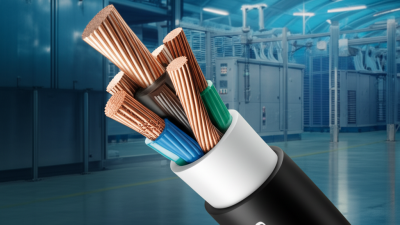
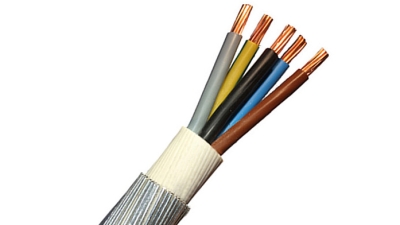
When it comes to optimizing electrical systems, choosing the right cable can make a significant difference. The 4-core +1 earth power cable is specifically designed to meet the stringent demands of modern electrical applications. With its robust structure, this cable provides not only the essential four cores for power transmission but also incorporates an additional earth wire. This feature is crucial for ensuring safety and compliance in environments where grounding is a requirement.
The use of a 4-core +1 cable with a voltage rating of 0.6/1000V and adherence to IEC 60502 standards makes it a reliable choice for various installations, from commercial buildings to industrial machinery. Its construction ensures that it can handle higher loads while maintaining efficiency and resilience against electrical interference. This quality is particularly beneficial in sectors where reliability is paramount, as the additional ground wire acts as a safeguard against potential faults, enhancing both safety and performance.
Incorporating a 4-core +1 earth power cable into your electrical system not only maximizes functionality but also provides peace of mind. Whether you're upgrading existing wiring or starting a new project, investing in high-quality cabling helps in promoting more secure and efficient operations, ultimately unleashing the full potential of your electrical infrastructure.
FAQS
: The power cable industry is focusing on high-conductivity materials to enhance the performance of single core power cables.
The International Energy Agency projects that the global demand for electricity will grow by nearly 50% by 2030.
Innovations in cable materials can reduce energy loss during transmission, potentially resulting in cost savings of up to $3 billion annually for utility companies worldwide.
The integration of smart technology into power cables allows for real-time monitoring and maintenance, thus optimizing resource management.
The Global Smart Cable Market is expected to grow at a compound annual growth rate (CAGR) of 10.2% through 2026.
Ensuring quality is crucial for achieving efficiency in supply chains, as subpar materials can lead to project delays and increased costs.
Developing a robust supplier evaluation process and establishing stringent quality control measures can enhance supplier reliability in procurement.
Implementing regular inspections and testing protocols, along with collaborating with third-party inspection agencies, can help ensure compliance with international standards.
Predictive maintenance can extend the lifespan of cables and enhance the overall reliability of power distribution networks.
Stringent quality control helps identify defects and ensures that cables meet necessary specifications, thereby improving their reliability and performance in various applications.