Leave Your Message
As the world shifts towards sustainable energy, making efficient power distribution becomes even more critical. One aspect of this is Mv Power Cable, which helps deliver electricity from substations to end-users with the least loss and most reliability. With the growing demand for renewables, innovations are needed to ensure that these energy supplies can be integrated seamlessly into existing grids. Here Mv Power Cables prove to be one of the excellent choices to optimize electrical systems while sending energy to its destination in an eco-friendly way.
Indeed, Mv Power Cables have much meaning to modern power infrastructures. Here at HENAN TINDE POWER CO., LTD., we are cognizant of such. Being based in Zhengzhou, Henan province, China, our primary business revolves around the installation of power equipment while designing, researching, and selling wires and cables, including their accessories. Such an endeavor is made possible by our harnessing of modern technologies and the adoption of stringent quality standards to design environmental solutions at the same time satisfy increasing energy needs. This post will explore the merits of Mv Power Cables and how they advance a transition toward greener energy systems.
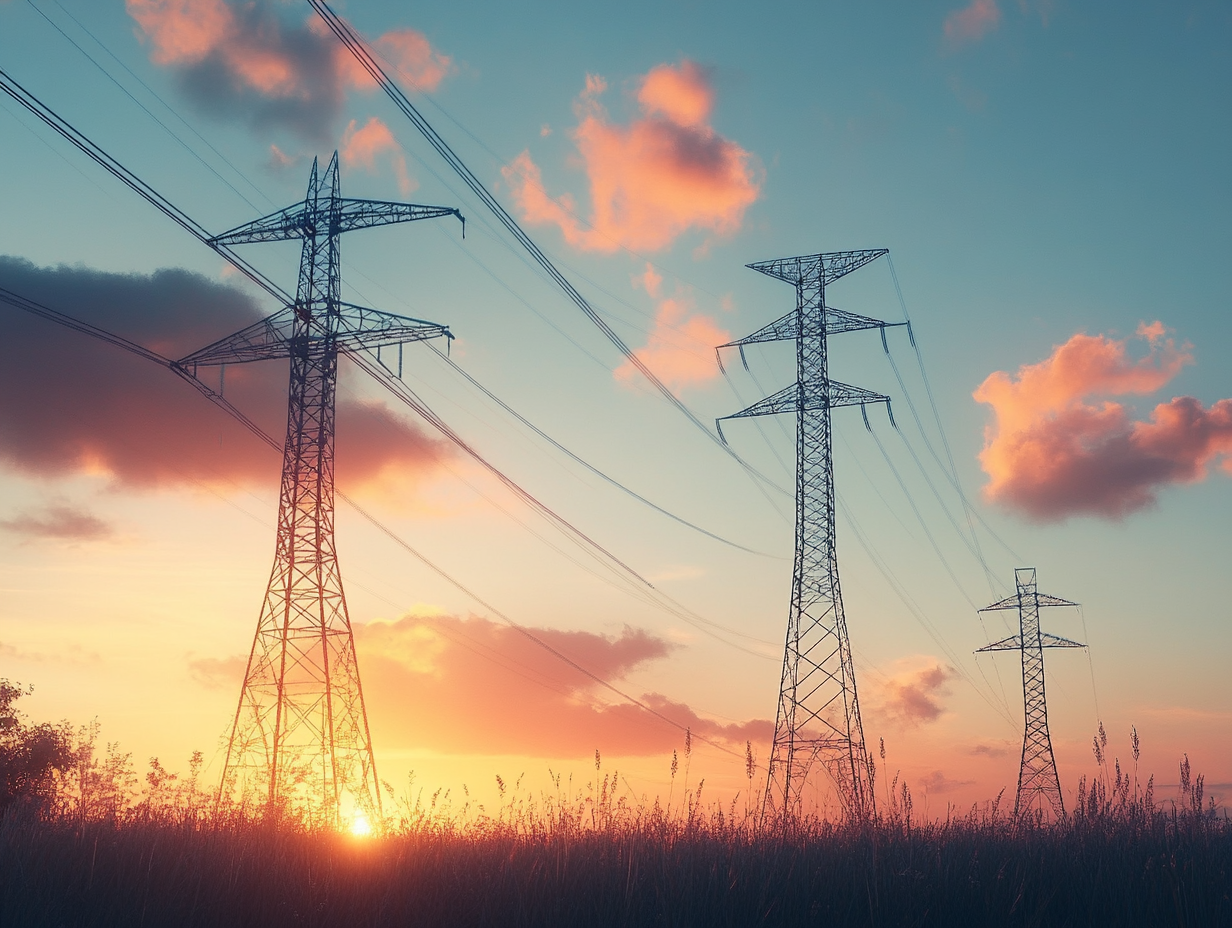
As sustainable energy solutions are being witnessed widely, thus the importance of MV cable in energy infrastructure for transmission of electrical energy from renewable resources is also strongly felt now, hence the integration of clean energy into the grid. The recent contracts for low- and medium-voltage cable supply for grid upgrades indicate the impending need for enhancing our electrical systems owing to growing consumption demands. The MV switchgear market is witnessing constant evolution, and hence it is portraying a stable expansionary environment. This expansion would go on to emphasize the importance of MV power cables being a backbone for developing a resilient power distribution framework to keep up with advancements in energy storage and grid management technologies. MV cables, with innovations like smart monitoring and easy distribution, are expected to play an important role in enhancing future energy systems' efficiency and reliability.
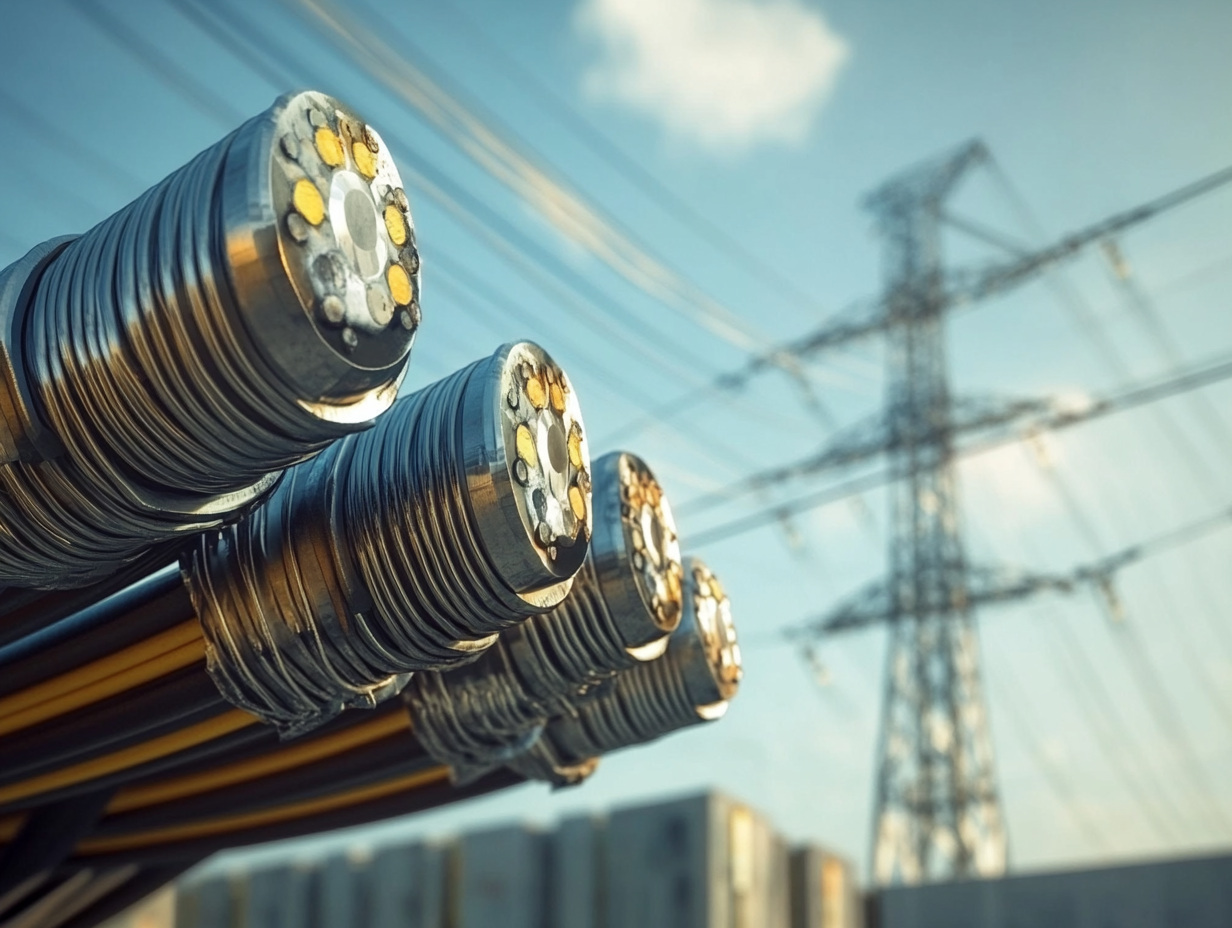
In the course of making sustainable energy solutions possible, medium-voltage (MV) power cables play an important role by integrating renewable energy sources into the electric grid. Such cables would improve grid infrastructures as they could distribute power within the urban and rural environments more effectively. Their ability to manage higher voltages makes them ideal circuits for interconnecting renewable energy plants with the grid and contributing to clean energy transitions.
Advancements in MV cable technology, like silicon carbide converters, may increase grid capacity significantly, allowing more renewable energy to be integrated. The urgency in the call for de-carbonizing energy systems with the heightened perception of climate change has given requisition for MV cables to make possible and realizable strong and effective transitions. With continuing developments in cable manufacturing and deployment, MV cables have a bright future. Indeed, they would be the backbone of modern energy infrastructure propelling the future of sustainable energy.
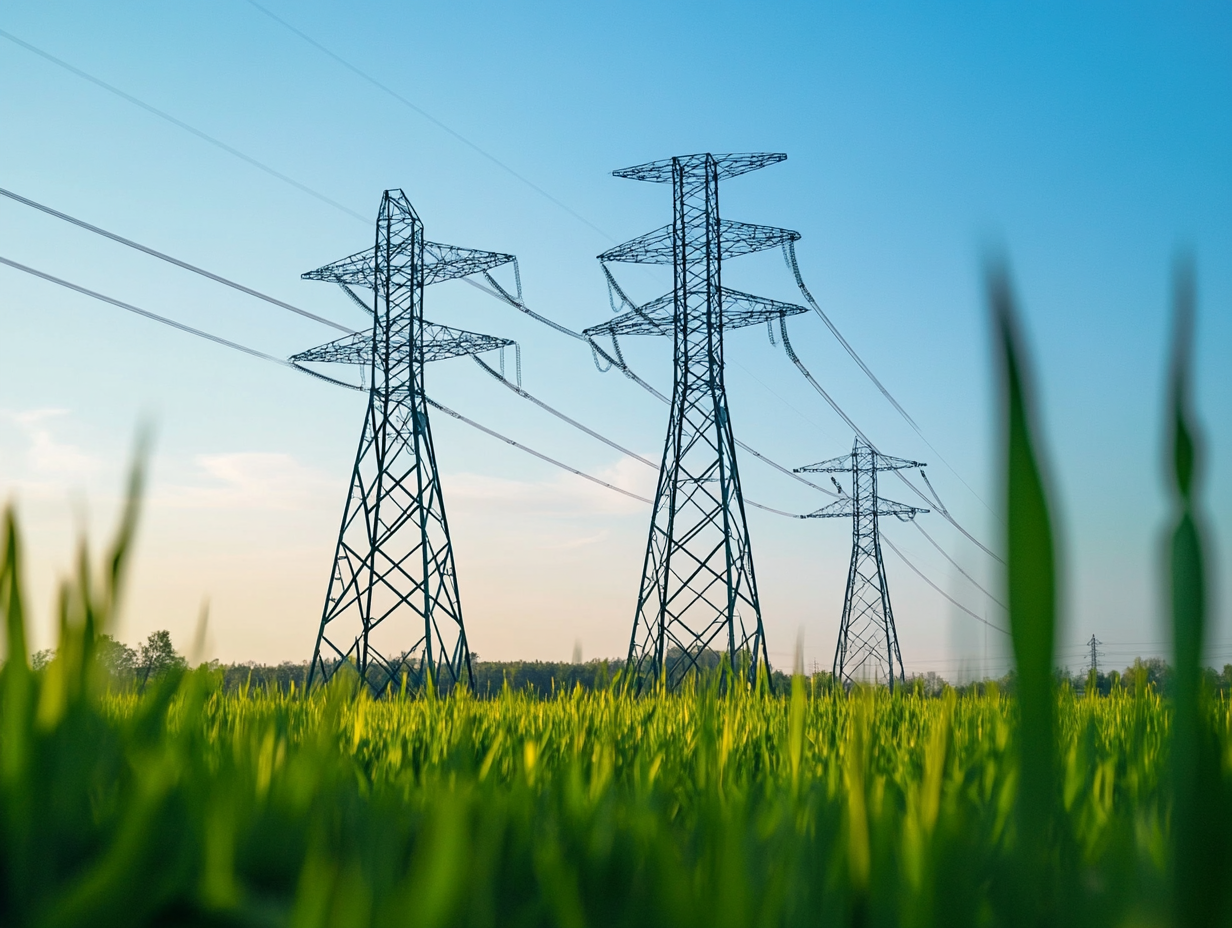
The medium voltage (MV) power cables are an integral element for the transition to renewable energy systems. Due to their sustainable nature, MV cables are considered vital for connecting energy generation sources such as wind and solar to the electrical grid. The same criteria that allow these cables to operate on medium and higher voltage levels also make them highly efficient for transmitting energy over long distances; this reduces energy loss and enhances the grid's overall reliability.
Recent advances poling for technology in Medium Voltage empower the integration of renewable sources. The new technologies help build modern smart grids, which integrate diverse energy sources while ensuring a stable supply. With considerable expected growth of the MV switchgear market, it goes without saying that these MV power cables are not only core to present infrastructure but indeed are now part of the answer for a truly more robust and sustainable energy tomorrow.
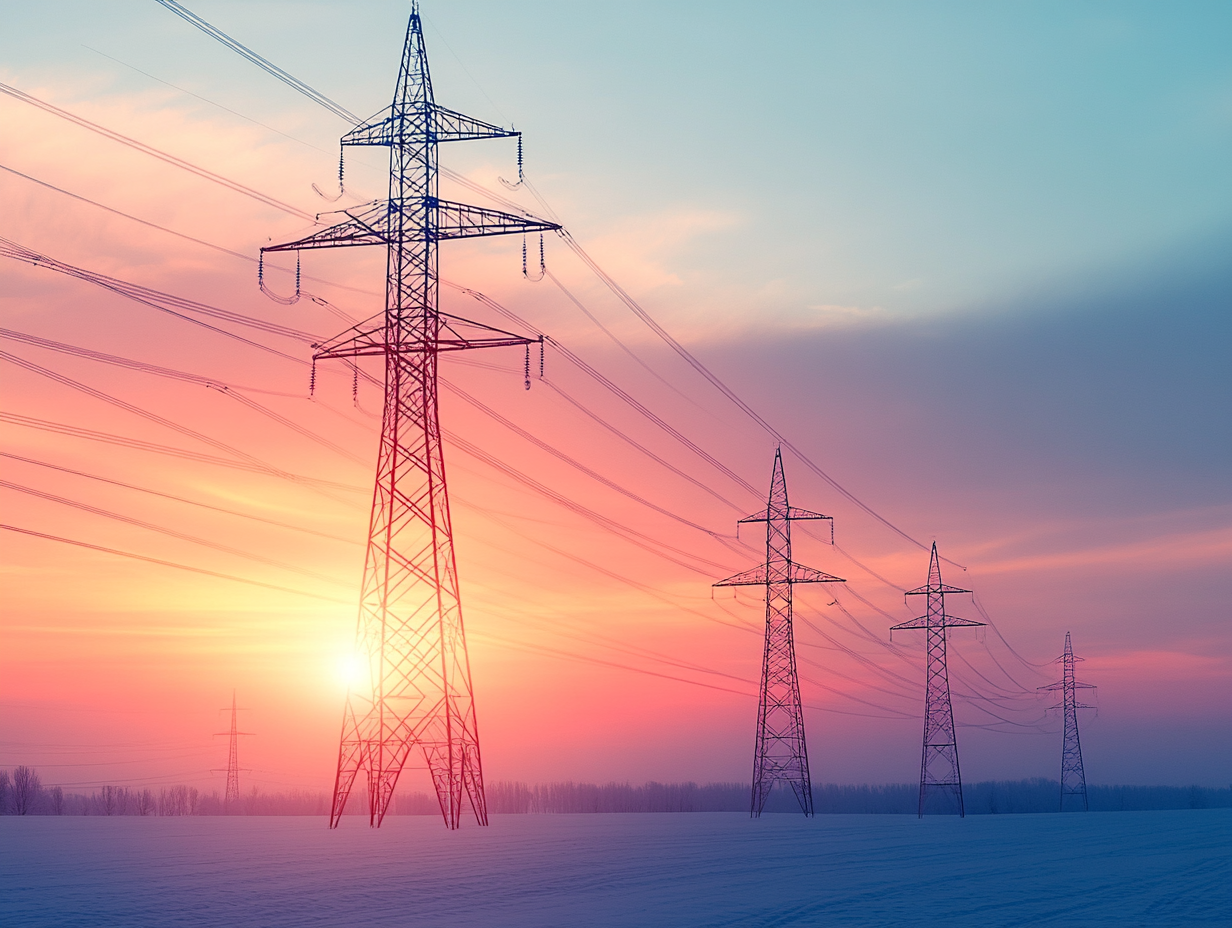
The role of medium voltage (MV) power cables with regard to energy efficiency cannot be overemphasized, especially in this age of increasing demand for renewable solutions. These cables can go up to higher voltages and are, therefore, capable of dissipating less energy in the long-distance transmission of electricity. This energy efficiency is very important for new sustainable practices in the energy sector because they have the ability to integrate better the renewable sources into the grid.
New developments in MV technology like smart cable connection bushings are aiding in the optimization of power distribution through real-time monitoring of energy systems. Such measures are important to ensure the efficient running of the energy system and to avoid power outages, particularly now as the more sophisticated energy networks are coming into play. A healthy growth projection for the US MV switchgear market makes investments in MV power cables a strategic effort towards energy efficiency and sustainability in light of ever-increasing energy demands.
Medium voltage (MV) power cable implementation is steadily gaining importance within sustainable energy solutions, allowing the integration of renewable power generation into existing grids. With worldwide energy systems grappling with the impacts of climate change, MV technology presents a credible route to efficient power transmission, one with minimum energy losses while tapping an incredibly wide assortment of renewable sources.
More importantly, MV power cables help link the smart grid networks so as to offer greater connectivity and compatibility for distributed energy resources. Given the growing demand for reliable and sustainable energy, not only does this cable increase synergy in operations but it also greatly decreases the carbon footprint of energy distribution. These advances into MV technology are being taken in an environmentally constructive way toward sustainability and improved resiliency for the electricity infrastructure.
Modern energy infrastructure highly relies on medium voltage power cables because they substantially diverge from the advantages that traditional cables provide, especially in sustainable energy solutions. One such application is the installation of medium voltage cables for efficient transmission of electricity from renewable sources, namely, solar and wind energy. These future cables form an integral part of developing new and advanced sustainable energy systems for grid ancillary services as the push for decarbonization intensifies.
Traditional low-voltage cables only have the capacity to carry small quantities of power: MV cables, in contrast, have larger transmission capacity; a load may be carried without appreciable loss of power. That is very much advantageous in the efficiency of battery energy storage systems-BESS, which are becoming increasingly important in stabilizing distribution grids. The innovative design of MV cables supports nations and cities to satisfy energy demands while at the same time increasing the share of renewables in the energy supply-and eventually contribute to making a basic transition towards this infrastructure more resilient and less carbon-intensive.
Medium Voltage (MV) power cables are of great significance in the transition to sustainable energy solutions. These cables must be safely deployed, as they are subject to stringent standards that protect the infrastructure and human life. Adherence to safety regulations minimizes the risks associated with electrical failures and fire hazards; this makes MV cables a reliable choice for energy transmission.
Recent developments addressing the need for upgrading MV cable production capabilities show the increasing demand for these components in the energy infrastructure. When the industries move to renewable energy, the importance of safety standards takes precedence. Strict inspection and testing underpin MV power cables' ability to face environmental challenges that may impair energy production in the clean energy and resilient infrastructure context. The development efforts are a support mechanism for safe transmission of energy and thus act to promote efficiency in realizing the energy transition.
Medium voltage (MV) cables of power are needed, making their space more important into economic lines and very efficient power solutions for a variety of projects. Progressive demand would create a space in the existing grid where MV cables can provide reliable and secure access to renewable energy sources. This makes them an attractive option for overwhelming and community-based renewable projects, as they can handle higher power loads with minimum energy losses.
Using MV power cables would be further underscored by the recent trends in the market costs: analysts said that the market of high-voltage and medium-voltage products was gonna skyrocket to reach the astounding figure of USD 349.7 billion by 2028. This can be seen, on the one hand, as proof of the increased uptake of these technologies and, on the other-the fact that they are set to reduce setup and maintenance costs over the long time. As such, changing energy systems will pave the entry into the greener future through their sustainability features along their economic aspects at the MV scale.
The global medium voltage (MV) cables market is growing by leaps and bounds; its value will reach USD 90.3 billion by 2033. This demand is primarily driven by the use of cleaner energy sources as well as the utilities and customers focused on sustainable energy solutions. MV cables in power transmission systems increase efficiency when connecting renewable energy sources to the grid.
MV technology offers new developments pivotal as the electric grid will have to accommodate higher renewable energy outputs. A smooth transition towards renewable energy is possible because of innovations like medium-voltage silicon carbide converters. The reconductoring of existing power lines is also when current infrastructure needs to be improved to support a clean energy future. With a positive compound annual growth rate forecast, then the MV cables sector is going to make a huge impact in creating sustainable energy solutions.
The adoption of medium-voltage (MV) energy lines is being increasingly hailed as one of the many forms of the future toward times of sustainable energy. Case studies on this proposition display several successes, such as high-voltage dynamic cables that have enhanced offshore projects where depth previously restricted access. This advance in cable technology is not purely support to renewable energy, it is also very important in the transition of the entire energy worldwide.
At MV, our cables carry electricity from renewable sources to be able to load with reliability that power our digital infrastructure. To be more sustainable, however, new cable technologies will be needed-the medium-voltage silicon carbide converters, for example, which allow greater penetration of renewables into existing grids. But the more the industry invests in those new technologies, the closer it becomes to actually making that possible-continuous opportunities for efficiency and sustainability possible from here.
MV power cables are essential for enhancing grid infrastructure and enabling efficient power distribution in both urban and rural areas, particularly in connecting renewable energy sources to the grid.
MV cables are designed to handle higher voltage levels, making them ideal for connecting renewable energy plants to the grid, thus facilitating the transition to cleaner energy.
Advancements such as silicon carbide converters and smart cable connection bushings have significantly boosted grid capacity and optimized power distribution through real-time monitoring capabilities.
MV cables minimize energy losses during long-distance electricity distribution, which is crucial as the energy sector shifts towards sustainable practices and increased renewable energy utilization.
The incorporation of smart technology in MV cables enables real-time monitoring and management of energy systems, which helps maintain efficient operations and reduces the risk of outages.
The US MV switchgear market is projected to experience robust growth, making investments in MV power cables a strategic move toward achieving energy efficiency and sustainability.
By facilitating the integration of renewable energy sources, MV cables play a vital role in the shift toward cleaner energy solutions, aligning with climate change goals.
Advancements like silicon carbide converters enable MV cables to manage higher voltages and support increased renewable energy integration, ultimately boosting overall grid capacity.
MV cables are set to become the backbone of modern energy infrastructure, supporting the efficient distribution of electricity as part of the transition to sustainable energy practices.