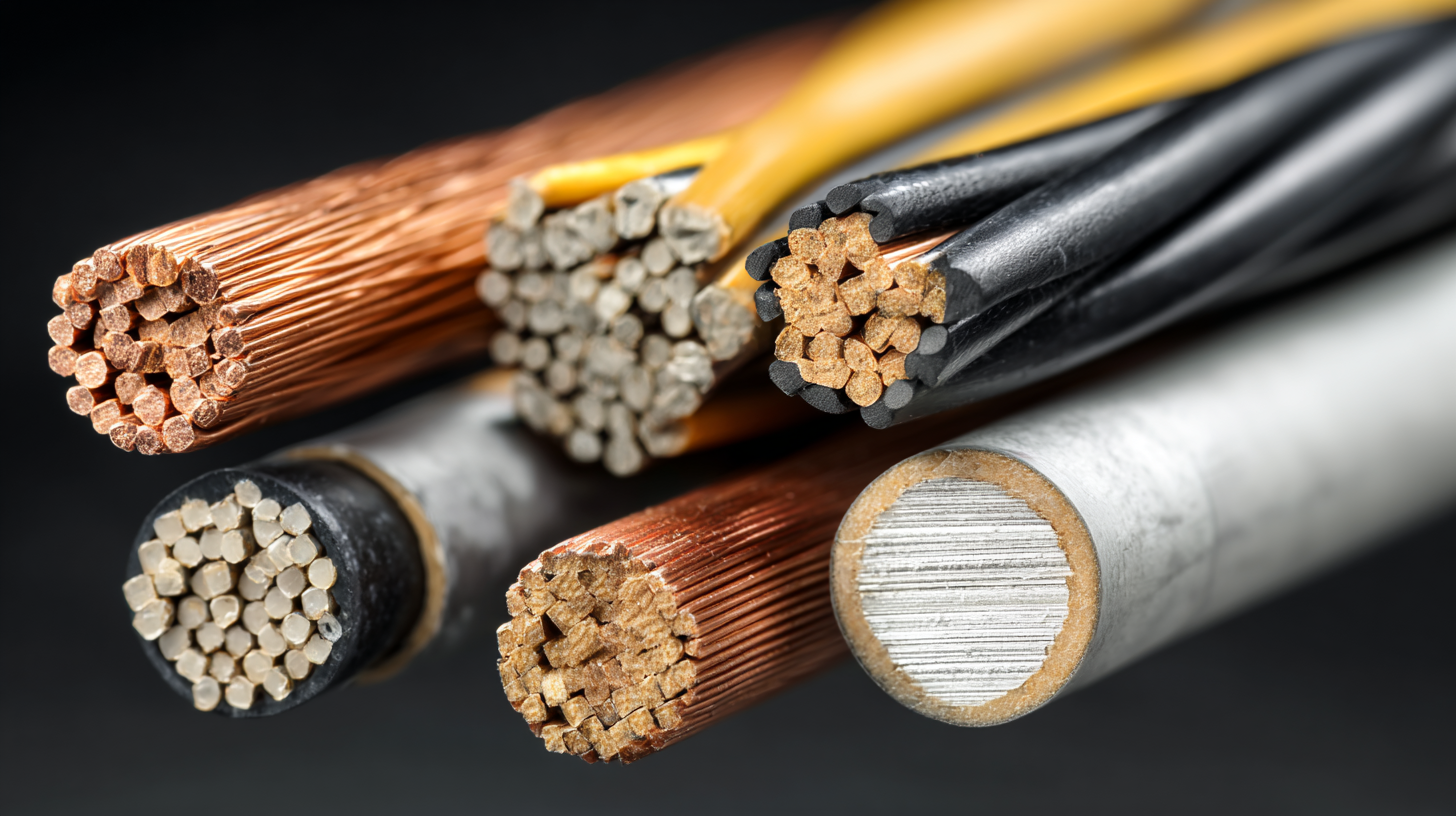
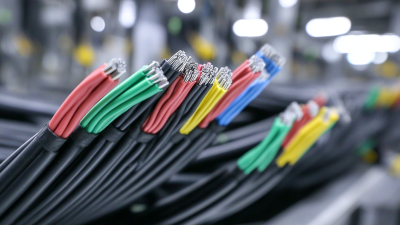
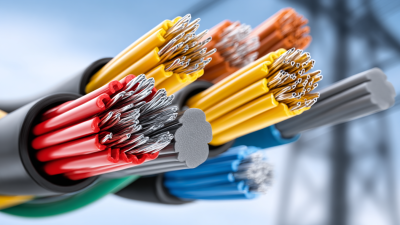
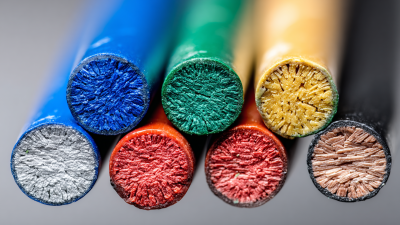
In today’s fast-changing world of electrical stuff, picking the right materials isn’t just important — it’s really crucial. One material that’s been gaining tons of popularity lately is the PVC Single Core Cable. Honestly, these cables have some pretty awesome benefits — they’re flexible, durable, and do a great job insulating, which is why you’ll see them everywhere from homes to big industrial setups.
At HENAN TINDE POWER CO., LTD., we truly get how much smoother and safer your electrical systems can be when you use high-quality cables like these. With years of experience in installing power equipment and handling cable accessories, we’re confident in offering solutions that are not just good, but tailored to what each client really needs.
In this article, I’ll walk you through why PVC Single Core Cables are such a big deal — how they boost efficiency and safety, and why they’re a must-have in modern electrical systems. Plus, they fit perfectly with our promise to deliver top-notch quality every single time.
Advantages of PVC Single Core Cables Over Traditional Wiring Solutions
PVC single core cables have really become a go-to for a lot of modern electrical setups, mainly because they offer so many advantages over the old-school wiring options. One of the biggest perks is their great insulation—according to the IEC, PVC insulation can handle higher temperatures and is pretty tough against moisture and chemicals. That means these cables are super reliable, no matter the environment. Plus, they tend to last longer, so you don’t have to replace them as often, which saves you some cash and hassle down the line.
Another thing I find pretty great is how flexible and easy they are to install. Unlike traditional wires that often require a lot of effort and extra materials, PVC cables are much easier to maneuver—especially in tight spaces. That makes setting things up way more straightforward. In fact, a report from NEMA even says that using PVC cables can speed up installation by up to 30%. So, contractors can get their work done faster and more efficiently.
Just a quick tip—when you're choosing PVC single core cables, make sure you pick the right thickness and ratings for what you actually need. Also, pay attention to voltage ratings and environmental factors to keep things running smoothly and safely. Investing in quality cables might cost a bit more upfront, but it’s definitely worth it in the long run—think less trouble and more reliable operation.
Key Performance Metrics of PVC Single Core Cables in Electrical Systems
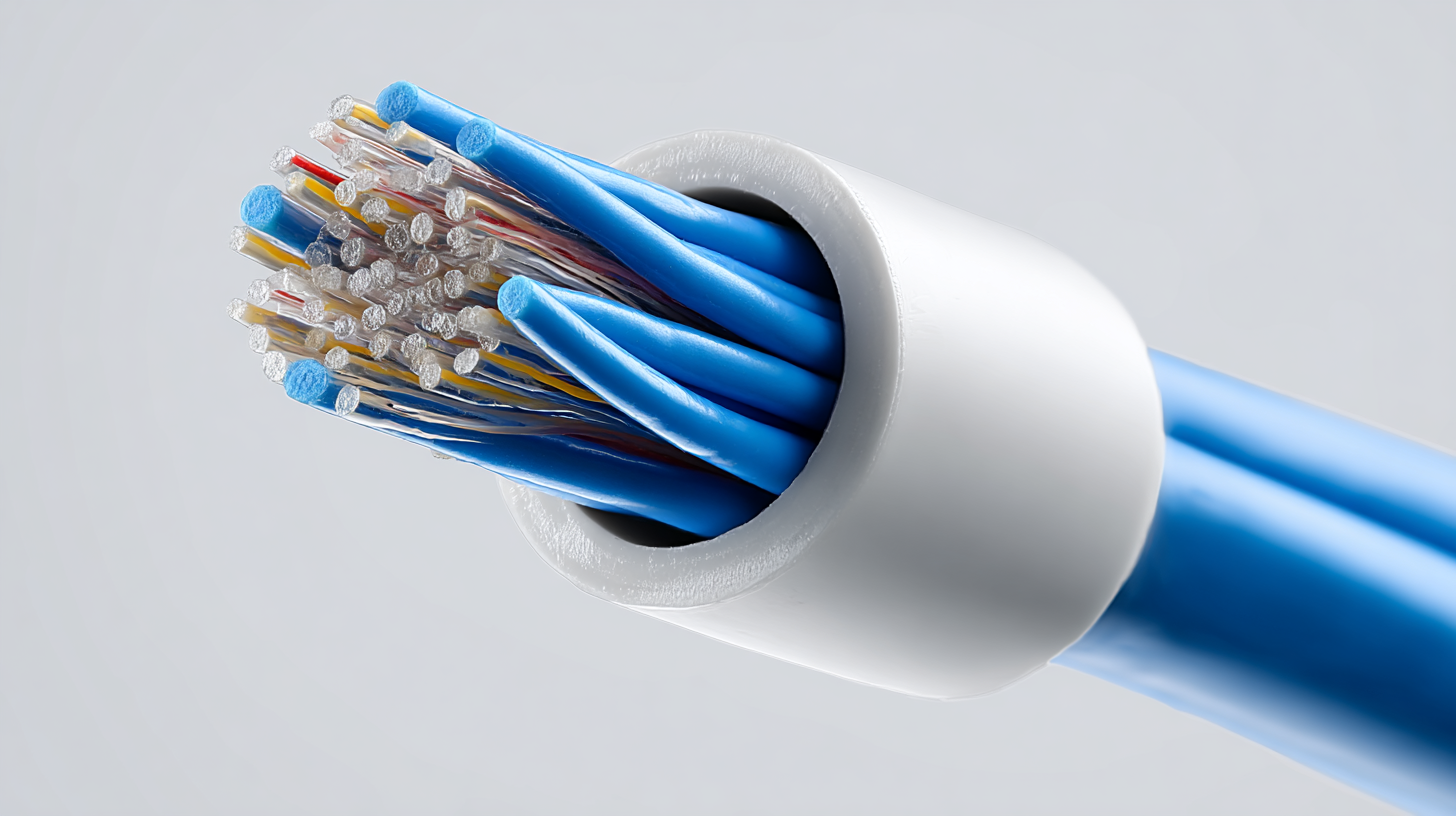 PVC single core cables are really gaining popularity these days in all sorts of electrical setups, mainly because they do a pretty great job across the board. When you’re trying to figure out how good they really are, there are a few key points to look at. For starters, their electrical conductivity isn’t too shabby, which means they can carry power efficiently without losing a lot of energy—something that’s especially important whether you’re working on home wiring, commercial projects, or bigger industrial jobs.
Another thing that’s pretty impressive about these cables is the insulation. PVC offers high dielectric strength, so it’s really good at stopping electrical currents from leaking, helping to cut down on short circuits and making everything safer overall. Plus, they’re resistant to water, chemicals, and even wear and tear, which means they last longer and stay reliable even in harsher environments. And let’s not forget—they’re lightweight and flexible, so installation is usually a lot easier, which is a big bonus for electricians and engineers alike. Overall, looking at how these cables perform, it’s pretty clear they’re a solid choice for modern electrical systems — reliable, safe, and easy to work with.
Cost-Effectiveness of PVC Single Core Cables in Large Scale Projects
When you think about large-scale projects, PVC single core cables are often the go-to because they're budget-friendly and built to last. As more and more in construction and energy are jumping on the renewable train—like solar, wind, and hydropower—the need for dependable, cost-effective cables has really shot up. These cables shine because they don’t break the bank during manufacturing, making them super appealing for huge projects where saving money is a big deal. Plus, their sturdy design means they last longer and need less maintenance, which just adds to their value.
And honestly, with so much focus nowadays on going green and adopting sustainable practices, the market for PVC single core cables is only growing. They’re not just useful for the old-school electrical setups—they're actually a good fit for all those modern renewable energy systems we hear so much about. As industries keep shifting towards more eco-friendly options, it makes sense that materials like PVC cables will become even more important. All in all, it looks like these cables will play a big role in big renewable energy projects, helping push innovation and sustainability forward in the world of electricity.
Understanding the Benefits of PVC Single Core Cables in Modern Electrical Applications - Cost-Effectiveness of PVC Single Core Cables in Large Scale Projects
| Project Type |
Cable Length (meters) |
Number of Cables |
Total Cost (USD) |
Estimated Lifespan (years) |
Environmental Impact |
| Residential Wiring |
1500 |
20 |
5000 |
30 |
Low |
| Commercial Building |
3000 |
50 |
15000 |
25 |
Moderate |
| Industrial Facility |
5000 |
100 |
30000 |
20 |
High |
| Infrastructure Project |
10000 |
200 |
70000 |
35 |
Moderate |
Durability and Longevity: The Lifespan of PVC Single Core Cables
PVC single core cables have really become a go-to choice in today's electrical setups. Honestly, their durability and long lifespan are super impressive. I read somewhere—actually, in a report by the International Electrotechnical Commission—that these cables can last anywhere from 20 to even 50 years, depending on where and how they're used. What’s cool is that PVC naturally resists moisture, chemicals, and UV rays, so you can pretty much use them indoors or outside without too much fuss.
And here's the thing—because they’re so tough, they usually need less maintenance over time. Basically, a study from the Cable Manufacturers Association pointed out that PVC cables don’t fail as often as other types, which means fewer replacements and less downtime—a big win, right? So, if you're investing in PVC single core cables, you’re pretty much covered. They keep performing reliably, and that peace of mind helps keep things running smoothly and safely, making everything more efficient overall.
Environmental Considerations: PVC Cables and Sustainable Practices
Lately, there’s been a real buzz around renewable energy and greener practices, and it’s actually making a big impact on the market for PVC cables used in modern electrical setups. As solar, wind, and hydropower projects start to pick up steam, the demand for more efficient and eco-friendly materials is growing quite a bit. If you look at the numbers, the North American PVC pipes market is expected to hit around $9.95 billion by 2033 — that’s up from about $6.42 billion in 2025 — with a steady growth rate of roughly 5.6% each year. This trend isn’t unique to just pipes either; the wires and cables industry overall is forecasted to grow at a similar pace of about 5.2%, as industries lean more towards sustainable solutions.
When it comes to the environment, it’s a pretty big deal in shaping this shift. PVC cables are at the center of that conversation. Sure, there’s some debate about whether PVC should be considered hazardous waste, but there’s also a lot of movement towards recycling and fitting it into zero-waste plans. More and more manufacturers and consumers are waking up to the importance of sustainability, and that’s sparking new innovations in the PVC world. All in all, it’s clear that PVC is becoming a more important part of the green energy transition — it’s adapting, evolving, and finding new roles where it can really make a difference.
Safety Standards and Compliance for PVC Single Core Cable Applications
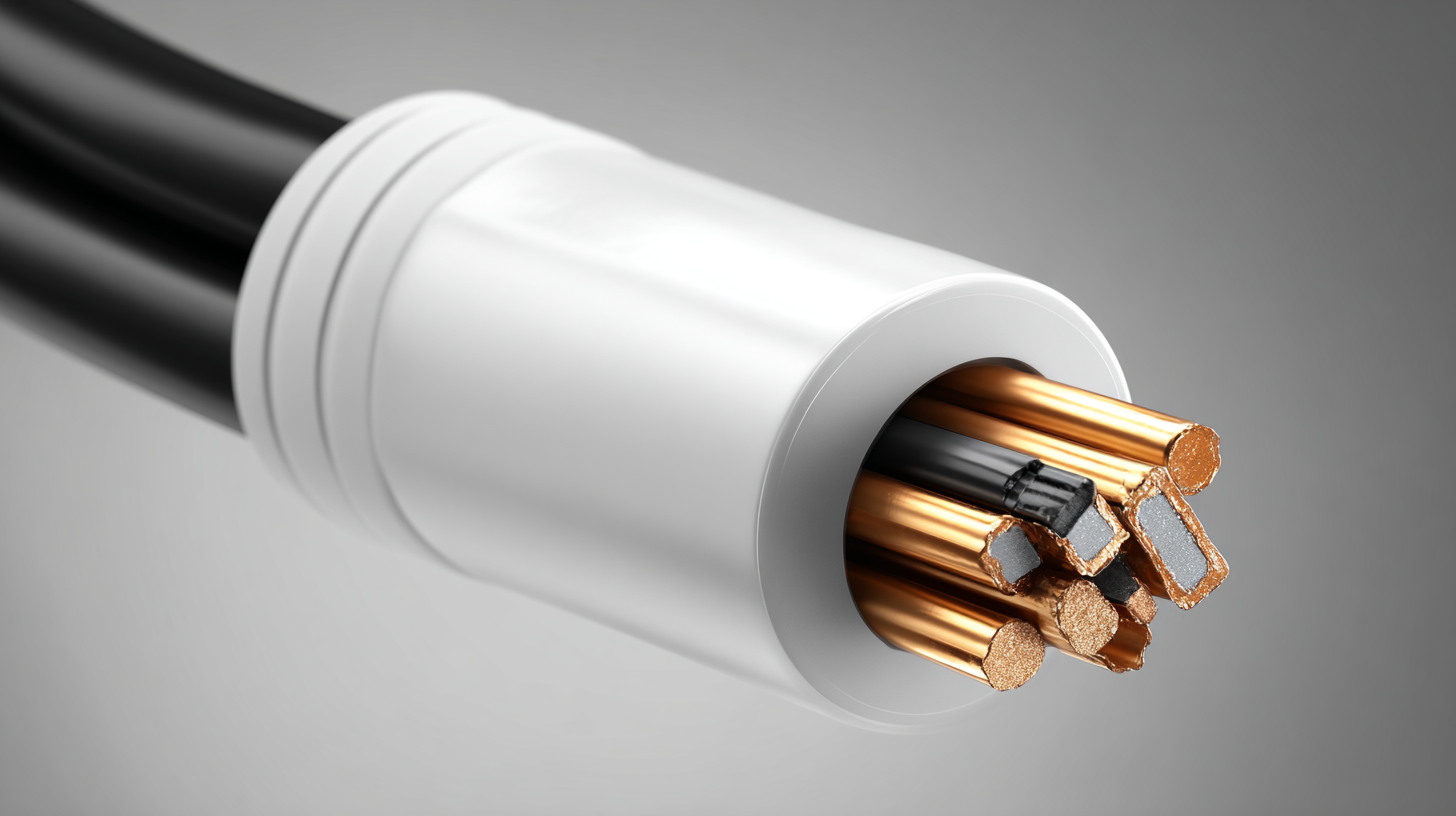
When you're looking at using PVC single core cables in today's electrical setups, one thing you can't overlook is safety standards and making sure everything’s up to code. The IEC, that international body in charge of electrical standards, emphasizes that cables need to follow strict safety rules to keep things like shocks and fires at bay. Luckily, PVC single core cables are built with these standards in mind—they’re designed to operate safely whether you're wiring up a home or a big industrial site. Plus, they often meet regional standards like the NEC in the U.S., which just gives you some extra peace of mind about their reliability.
A quick tip—always double-check that the PVC cable you're planning to use has the right safety certifications for your area. It might seem like just a box to tick, but it's essential for making sure your setup is safe and legal.
On top of safety, durability is a big plus with PVC stuff. High-quality PVC cables can handle temperatures between roughly -15°C and 70°C, making them pretty versatile for different environments. When choosing cables, it’s a good idea to go for ones that meet or even beat these performance standards — that way, you’re set for the long haul, and safety stays intact.
Another tip: keep an eye on your electrical setups regularly, especially if they're in tough conditions. Taking a moment to inspect cables and connections can save you a lot of trouble later on—prevention is always better than repair, right? It really helps keep everything running smoothly and safely.
Understanding the Benefits of PVC Single Core Cables
This chart illustrates the various benefits associated with the use of PVC Single Core Cables in modern electrical applications.
Understanding the Benefits and Applications of Copper Conductor Unscreen Control Cables in Modern Electrical Systems
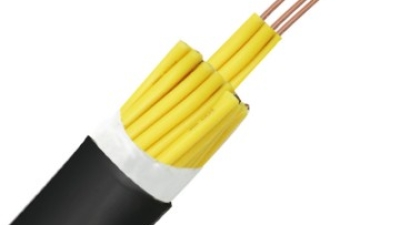
Copper conductor unscreen control cables play a vital role in modern electrical systems, particularly in environments that require reliable communication and control functions. These cables are designed for both outdoor and indoor installations, making them versatile for various applications. Their robust construction allows them to operate effectively in damp and wet locations, a critical feature for industries that rely on continuous signal transmission, such as railways and traffic signal systems.
In industrial settings, copper conductor unscreen control cables are essential for connecting signaling and control units, ensuring that machinery operates seamlessly and safely. Their use extends to thermopower and hydropower stations, where consistent performance is paramount. The reliability of these cables under challenging environmental conditions makes them a preferred choice for engineers and project managers looking to implement efficient control systems in demanding locations. The inherent conductivity of copper also contributes to minimal signal loss, enhancing overall system performance.
FAQS
: The lifespan of PVC single core cables can range from 20 to 50 years, depending on environmental conditions and specific applications.
PVC single core cables are preferred due to their impressive durability, resistance to moisture, chemicals, and UV radiation, making them suitable for both indoor and outdoor use.
PVC cables have a lower failure rate compared to other materials, leading to decreased maintenance costs over time and reducing the need for costly replacements and downtime.
PVC single core cables are designed to meet stringent safety protocols set by the International Electrotechnical Commission (IEC) and often comply with regional standards like the National Electrical Code (NEC) in the U.S.
High-quality PVC cables can withstand a temperature range of -15°C to 70°C, making them suitable for diverse applications.
It's essential to verify that the PVC cable meets the necessary safety certifications for your specific region to ensure compliance and maintain a safe environment.
Regularly inspecting electrical installations, especially in demanding environments, helps ensure that cables remain in optimal condition and compliant with safety standards.
The durability of PVC materials enhances cable performance in adverse conditions, ensuring long-term operational safety and efficiency.
Investing in PVC single core cables offers businesses benefits such as longevity, consistent performance, safety, and enhanced operational efficiency.
Selecting a cable type that meets or exceeds performance thresholds is crucial for long-term operational safety and efficiency in various electrical applications.
Conclusion
PVC Single Core Cables really stand out compared to your usual wiring options these days. They’re flexible enough to make installation a lot easier, and their insulation quality is pretty top-notch, which helps them resist all sorts of environmental challenges. Whether you're working indoors or outside, these cables tend to hold up well. Plus, you can expect good performance with solid metrics like high current capacity and low voltage drop—that’s what makes them reliable. And let’s not forget, they’re actually budget-friendly, especially when you're dealing with big projects.
On top of that, these cables are built to last. Their durability means you won't be replacing them every other year, saving you some hassle and money in the long run. And as the industry shifts towards greener options, PVC cables are also being looked at more carefully for their environmental footprint. Of course, they meet all the important safety standards, so they’re safe to use in a bunch of different settings. At Henan Tinde Power Co., Ltd., we really understand these benefits, and we're dedicated to providing quality wiring and power solutions that fit into today’s modern electrical systems.