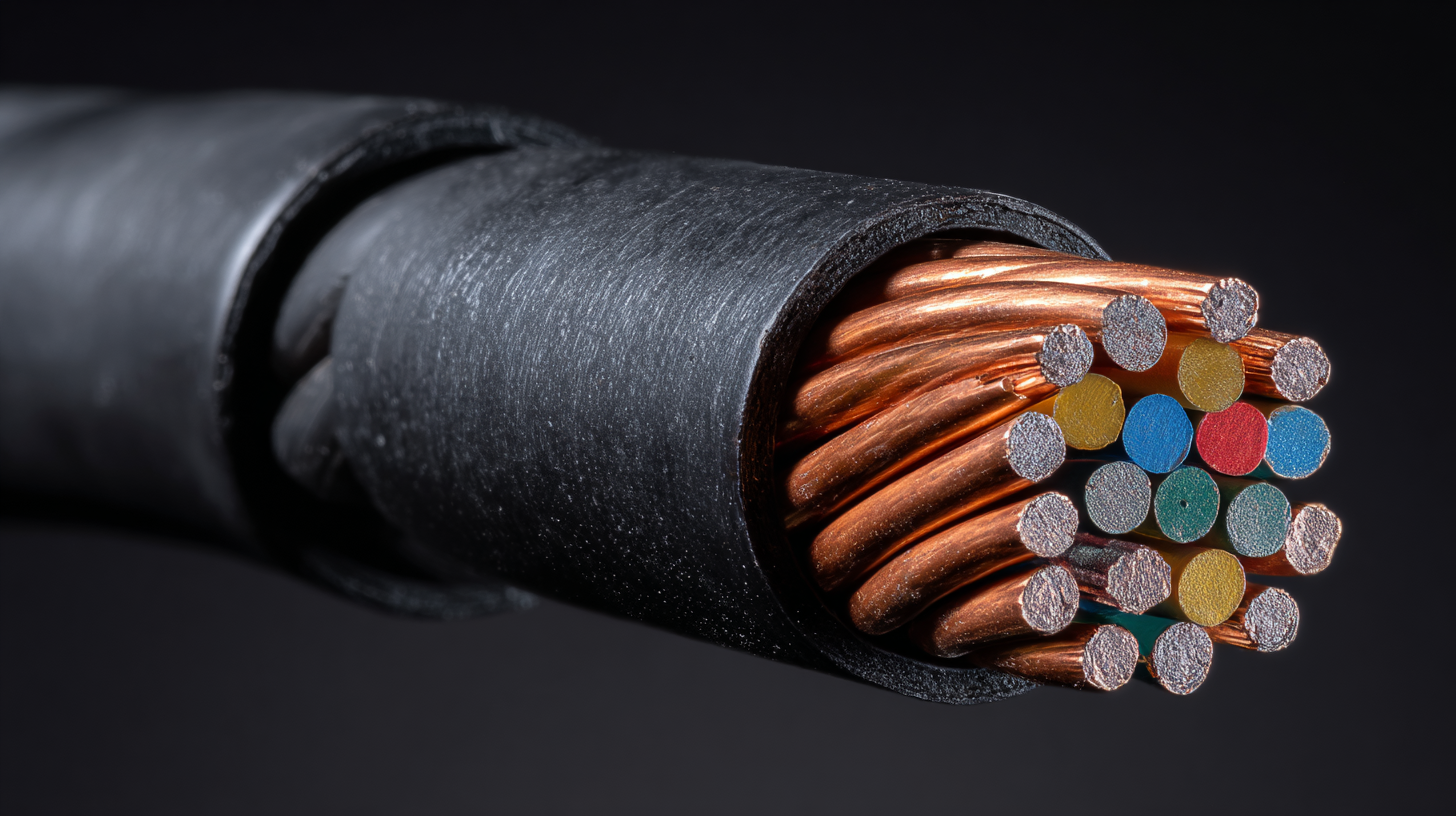
Lately, there's been a real buzz around Single Core Power Cables, and it's easy to see why. As energy needs grow and become more efficient, these cables are becoming a crucial part of modern electrical systems. Industry folks are pointing out that Single Core Power Cables not only cut down on energy losses but also boost the overall performance of power distribution setups. Plus, they’re lightweight and pretty flexible, which makes installing them a lot simpler—and that means saving some bucks in the long run for energy providers. At HENAN TINDE POWER CO., LTD., we're all in on this progress. We've got a wide range of power equipment and cable solutions to back these advancements. With our experience in installing and researching power systems, we're confident we can keep up with the rising industry trends—making sure Single Core Power Cables stay front and center as we move toward more sustainable energy solutions.
Key Advantages of Single Core Power Cables in Energy Distribution
Single core power cables are pretty essential when it comes to today's energy distribution setups. They come with a bunch of advantages that actually boost how efficient and reliable the whole system is. For one thing, they’re really good at cutting down electrical losses during transmission. Since they tend to have lower resistance than multi-core cables, they waste less energy as heat, which is a big plus—especially when you're dealing with long-distance power lines. This is super important in big projects where saving even a little bit of energy can really add up and cut down costs.
Another thing I’ll mention is how flexible these cables are when it comes to installing them. They're generally lighter and easier to handle, which makes the whole process much less of a hassle. Plus, their design allows for better separation of the conductors — that’s actually pretty useful because it helps reduce electromagnetic interference, leading to smoother, more reliable performance overall. All in all, with their efficiency, ease of installation, and ability to improve performance, single core power cables have become a go-to choice for lots of electrical setups nowadays.
Optimal Use Cases for Single Core Power Cables in Various Applications
You know, single core power cables are really gaining recognition lately for how efficient they are across different industries. One of the coolest uses I’ve come across is in renewable energy setups, like solar farms. I read in a report by Allied Market Research that the global solar energy market could hit around $223 billion by 2026, and apparently, a lot of that growth is thanks to how these single core cables transmit power—pretty much with minimal losses. They make it super straightforward to move power directly from solar panels to inverters, which actually boosts overall output by up to 10% compared to multi-core cables. Pretty impressive, right?
Then there’s their role in industrial settings, especially for high-voltage power transmission. A study I saw in the International Journal of Electrical Power & Energy Systems mentioned that single core cables can carry higher currents and stay cooler because of their lower thermal resistance. That makes them perfect for overhead power lines. Plus, they’re lighter, which makes installation easier and puts less stress on the supporting structures. All these little things add up—not just cutting costs for companies but also making the entire power network more reliable and longer-lasting. It’s pretty fascinating how such a simple change can make a pretty big difference, don’t you think?
Understanding the Benefits of Single Core Power Cable for Efficient Energy Distribution
This chart illustrates the efficiency ratings of single core power cables across different applications. The data indicates that single core power cables are most effective in Renewable Energy applications, achieving an efficiency rating of 9, while they are less efficient in Residential setups with a rating of 6.
Comparative Analysis: Single Core vs. Multi-Core Power Cables
When you're looking at single core versus multi-core power cables, there’s actually quite a few things to think about that can affect how well they work and what they’re best suited for. So, for starters, single core cables—like the name says—they have just one conductor. That makes them pretty straightforward to install and also helps reduce the chance of overheating. Plus, this design tends to lose less energy during transmission, which is a big plus, especially in high-voltage setups where efficiency really matters. They can also handle higher currents, making them a solid choice for industrial environments.
Now, on the flip side, multi-core cables pack a bunch of conductors together. This can make wiring in complex systems a whole lot easier, especially in homes and commercial buildings where multiple circuits are involved. But here’s the catch—more conductors mean a bit more resistance, which can lead to a bit more energy loss over long distances. So, while multi-core cables are super handy and flexible, they might not be as efficient as single core cables when you’re trying to optimize energy distribution. At the end of the day, deciding between single core and multi-core really depends on what your specific needs are and what kind of performance you’re aiming for in a given setup.
Installation Best Practices for Single Core Power Cables
Whenever you're installing single core power cables, it's really important to follow some good practices to make sure everything works smoothly and safely. First off, you wanna pick the right cable size—that depends on how much current you'll need to carry. It’s a good idea to do a quick calculation of the load that’ll be running through it, and also think about where you’re installing the cable. Things like the ambient temperature and the way you run the cable can actually affect how well it performs.
Another thing to keep in mind is how you route and secure those cables. You want to lay them out carefully—avoid sharp bends and try not to expose them to any external damage. Using the right clamps and ties is super helpful; it keeps the cables in place and stops any stress on the insulation, which could cause problems down the line. Also, it’s smart to label the cables clearly so future troubleshooting or maintenance is easier. All in all, sticking to these basic install tips isn’t just about safety— it actually helps everything run more efficiently and can even make your cables last longer. Trust me, it’s worth the extra little bit of effort!
Understanding the Benefits of Single Core Power Cable for Efficient Energy Distribution - Installation Best Practices for Single Core Power Cables
| Dimension |
Details |
| Conductor Material |
Copper |
| Insulation Type |
XLPE (Cross-Linked Polyethylene) |
| Nominal Voltage |
0.6/1 kV |
| Temperature Rating |
90°C (in continuous operation) |
| Cable Diameter |
12 mm - 30 mm (depending on size) |
| Applications |
Industrial, commercial, renewable energy systems |
| Key Benefits |
Efficient energy transfer, reduced losses, lighter weight for installation |
| Installation Best Practices |
Proper cable management, adequate bending radius, avoiding sharp edges |
| Maintenance Considerations |
Regular inspections, monitoring for wear and tear, ensuring proper connections |
Maintenance Tips to Maximize the Efficiency of Single Core Power Cables
When it comes to keeping single core power cables running efficiently,
regular checks and proper handling are really key.
The International Electrotechnical Commission (IEC) points out that if cables aren’t installed correctly,
you could see energy losses go up by around 10% — mainly because of overheating and poorer conductivity.
So, making sure they’re installed just right, following the manufacturer’s specs, can really help dodge those issues.
That means securing the cables properly so there’s no unnecessary strain, and protecting them from moisture and physical damage should be on the checklist, too.
On top of that, doing routine testing is super important.
The National Fire Protection Association (NFPA) suggests testing insulation resistance at least once a year —
this way, you catch any faults early before they become big safety or efficiency problems.
Plus, keeping the cables clean from dust and debris isn’t just about looks;
it actually stops stuff from blocking ventilation and causing overheating.
All these small suggestions add up — keeping up with proper maintenance can really extend the life of your cables and make sure the power system is running at its best.
By sticking to these simple tips and regularly maintaining your cables,
you’ll get the most out of your energy setup —
more efficiency, fewer headaches, and peace of mind that everything’s working smoothly.
Future Trends in Single Core Power Cable Technology and Energy Distribution
Looking ahead, it seems like
single core power cables are really heading in a promising direction. There's a lot of progress happening to make energy distribution more efficient. The
International Energy Agency (IEA) suggests that by 2040, we'll see over a
30% increase in electricity transmission needs with minimal losses—pretty significant, right? These single core cables, which boast
lower electrical resistance, are key players in cutting down energy loss during transmission, making them a must-have for today's grids. Plus, with new materials and better insulation tech popping up all the time, these cables are not only becoming more efficient but also last longer.
On top of that, with more focus on
renewable energy sources popping up everywhere, the innovation in this area is really accelerating. According to
Research and Markets, the global power cable market is expected to hit around
USD 246 billion by 2025, mostly driven by renewable projects. One of the nice things about single core cables is that they’re easier to install and streamline the whole setup process—especially in challenging locations like
offshore wind farms or
solar plants. All these advancements really point to a shift towards more
flexible and
efficient energy solutions, making single core power cables a big part of the energy landscape down the line.
FAQS
: Single core power cables reduce electrical losses during transmission, have lower resistance compared to multi-core cables, and offer greater flexibility in installation, enhancing overall efficiency and reliability.
They are optimally used in renewable energy systems like solar farms and in industrial settings for high-voltage power transmission, where they boost efficiency and reliability.
Single core cables facilitate direct and efficient distribution from solar panels to inverters, enhancing overall power output by up to 10% compared to multi-core cables.
They can handle higher current ratings while maintaining lower thermal resistance, reducing weight and mechanical stress on supporting structures.
Advancements in materials, improved insulation techniques, and a growing emphasis on renewable energy integration are driving innovation in single core power cable technology.
The demand for transmission with minimal losses is projected to increase, making single core cables essential for modern grids due to their lower electrical resistance.
The global market for power cables is expected to reach USD 246 billion by 2025, influenced primarily by renewable energy projects.
They enable simpler installations and reduce logistical challenges, which is particularly beneficial for offshore wind and solar energy applications.
Their efficiency translates into reduced operational costs as they minimize energy losses and enhance the longevity of the power distribution network.
Electromagnetic interference can degrade system performance; single core cables allow for better separation of conductors, which reduces this interference and improves overall performance.
Conclusion
Hey, so I came across this article titled "Understanding the Benefits of Single Core Power Cable for Efficient Energy Distribution," and honestly, it’s pretty insightful. It dives into why using Single Core Power Cables can be a game-changer in different energy setups. The piece also compares these cables with multi-core ones, helping you understand where each makes the most sense. Plus, it shares some handy tips on installation — things to keep in mind to get the most out of your cables — and advice on maintenance to keep everything running smoothly and last longer. They even chat about upcoming trends in the industry, like a stronger push towards sustainability and more efficient energy use. It’s clear that companies like HENAN TINDE POWER CO., LTD. are ready to step up and support these innovations. They’ve got the expertise in installing and maintaining power solutions, including Single Core Power Cables, making sure we keep up with the growing demand for reliable and efficient energy systems.