Leave Your Message
0%

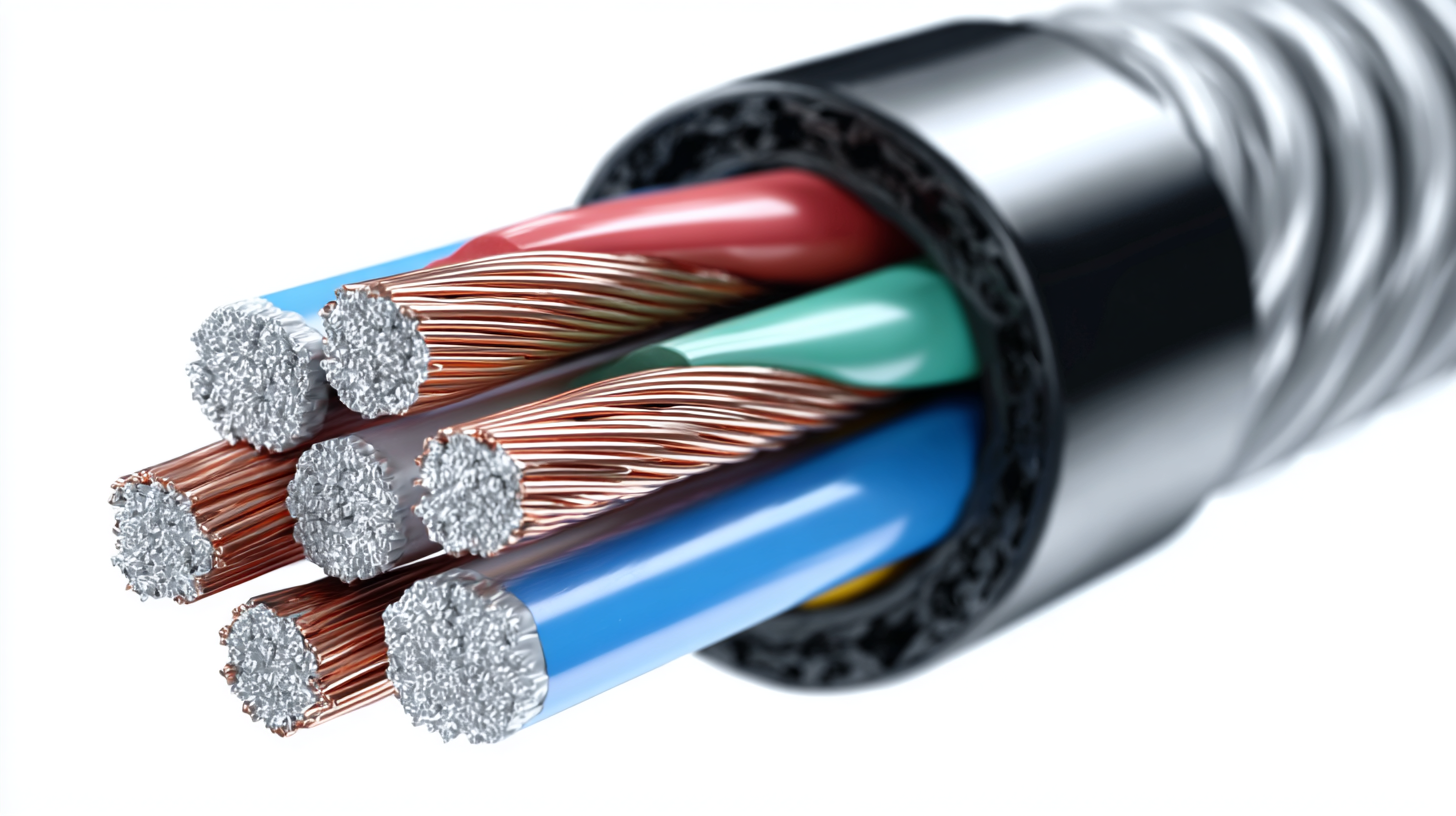
In today’s super busy world, staying energy-efficient is more important than ever for businesses and industries alike. One key piece of the puzzle that can really boost how they manage energy is using Single Core Power Cables. These cables are known for being reliable and efficient when it comes to distributing power, so they’re pretty much a go-to for a bunch of electrical setups. At Henan Tinde Power Co., Ltd., they’re leading the charge with this stuff—offering expert help with installing power equipment, wires, cables, and all the accessories that come with it. By taking advantage of Single Core Power Cables, companies can better control their power usage, cut down on energy losses, and save some serious money in the long run.
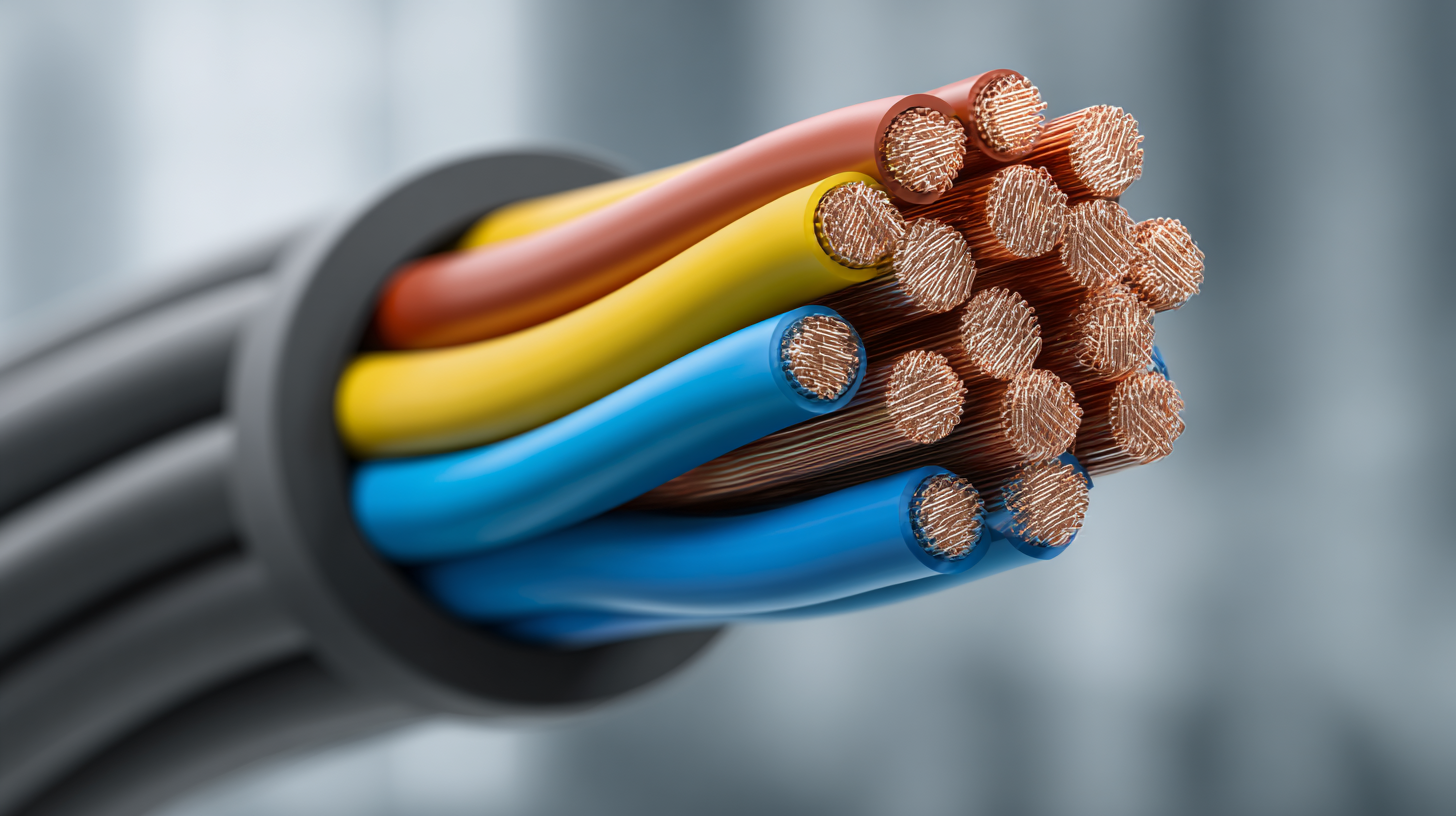
Understanding the Benefits of Using Single Core Power Cable for Efficient Energy Management

This guide’s here to break down the benefits of using these cables and how they can really make energy management easier across different kinds of projects and setups.

Key Advantages of Single Core Power Cables in Energy Management

You know, single-core power cables are really getting a lot of attention lately, especially when it comes to managing energy more efficiently in industrial and commercial settings. A recent report from the International Energy Agency mentioned that using top-quality single-core cables can boost energy transmission efficiency by up to 20%. That’s mainly because they offer less electrical resistance than multi-core cables, which means less energy gets lost during transmission — pretty neat, right?

And here’s another thing: they’re just easier to install and maintain. In tight spaces, their simple design makes setup a lot smoother, and troubleshooting is way simpler too. The Electrical and Electronics Institute even pointed out that maintenance costs can drop by around 15% when you go with single-core cables, mainly because there are fewer parts that could fail.

With the whole push towards greener, more sustainable energy practices, choosing single-core power cables could actually give organizations a real edge — making operations run more efficiently and cutting down on energy waste. It’s kind of a no-brainer when you think about it.

Choosing the Right Single Core Power Cable for Your Needs

When you're picking out a single core power cable, it's good to keep a few things in mind—like what you'll actually be using it for, the voltage it needs to handle, and the environment where it'll be installed. These cables are pretty versatile and are used everywhere, from cozy homes to big industrial setups. If you're dealing with heavy electrical loads, it’s crucial to pick a cable that can handle the right amount of voltage and current, all while making sure it’s safe and meets the necessary regulations.

Another thing to think about is the insulation material. That part really influences how well the cable performs and how long it lasts. For example, if the cable's going to be exposed to heat, moisture, or maybe chemicals, choosing the right insulation—like PVC or XLPE—can make a big difference in how durable and efficient the cable is. And hey, if you need to move the cable around a lot or it needs flexibility, that’s something to look into too.

All in all, by carefully considering these factors, you'll be able to pick a single core power cable that perfectly fits your needs and helps keep everything running smoothly.

Installation Best Practices for Single Core Power Cables

When you’re installing single core power cables, it’s really important to stick to some best practices. Trust me, paying attention to these details can make a big difference in both how well they perform and how long they last. Industry standards actually suggest keeping enough space between the cables to prevent them from heating up too much—that extra room really helps improve performance. According to the IEC, if cables are too close together or not spaced properly, they can get too hot—sometimes beyond what they’re rated for—which can lead to failures down the line. On top of that, it’s a good idea to use proper supports to prevent sagging or mechanical damage. Doing this not only keeps things safe but also makes the setup more reliable overall.

Understanding the Benefits of Using Single Core Power Cable for Efficient Energy Management

Another thing to think about is choosing the right insulation materials, especially ones that meet standards like the NECC. Good quality insulation isn’t just about safety; it also cuts down on energy loss by keeping heat in check, which is a plus for efficiency. Plus, a report from the IEEE highlights that high-quality insulation can actually extend the life of your cables. And don’t forget, paying close attention to proper bending radii when installing can really prevent electrical stress, which keeps everything running smoothly and can save you on maintenance costs in the long run. If you follow these simple but important tips, you’ll set a solid foundation for managing energy efficiently with your single core cables—plus, you’ll get the most out of them, especially in industrial settings.

Maintenance Tips for Ensuring Optimal Performance of Single Core Cables

Single-core power cables are pretty much a necessity when it comes to managing energy efficiently in a bunch of industrial and commercial setups. But, here’s the thing — their performance really depends on proper upkeep. Regular inspections are a must. According to some report by the IEC, keeping tabs on your power cable systems could actually cut down your operational costs by up to 15%. That’s not too shabby, right? When you check those cables, look out for signs of wear—things like frayed insulation or corrosion. These little issues can really mess with how well they work.

Another thing to keep in mind for making sure these cables last is paying attention to where you install them. A study in the Journal of Electrical Engineering found that cables exposed to super hot or chemical-laden environments are way more likely to fail sooner. So, tossing them into proper conduits or protective sleeves can really help prevent damage. Oh, and don’t forget about bending — keeping those bends gentle and within the right radius during installation can save you a lot of stress on the cables, which means they’ll stick around longer.

Lastly, it’s super important to test their insulation resistance regularly. The IEEE stresses that doing these tests once a year can catch issues early on, avoiding bigger failures down the line that could lead to costly downtime. If you keep up with these maintenance tips, you’ll get the most out of your single core power cables — making your energy management smoother and more reliable overall.

Understanding the Benefits of Using Single Core Power Cable for Efficient Energy Management

Comparing Single Core Cables with Multi-Core Alternatives

When you're looking into energy management, choosing between single core and multi-core power cables can really make a difference in how efficient and reliable your setup is. Single core cables have become pretty popular these days, mainly because they tend to conduct electricity better and lose less energy along the way. I came across a report by the International Electrotechnical Commission that says using single core cables can cut down power losses by up to 20% compared to multi-core ones. That kind of savings is a big deal, especially in industrial settings where even a small percentage more efficiency can mean a lot of cost savings.

Plus, single core cables are generally lighter and easier to handle, which definitely speeds up installation and makes maintenance simpler. There was a study from the IEEE that found you can actually reduce installation time for these cables by around 30%, which adds up to lower labor costs. They also do a good job at reducing electromagnetic interference, which is super important if you're working with sensitive equipment—think renewable energy setups or data centers—that need everything running smoothly without hiccups. All in all, single core cables seem to have quite a few advantages, don’t they?

Understanding the Benefits of Using Single Core Power Cable

Guide to Understanding SANS 1507 CNE Concentric Cable: Features, Benefits, and Applications

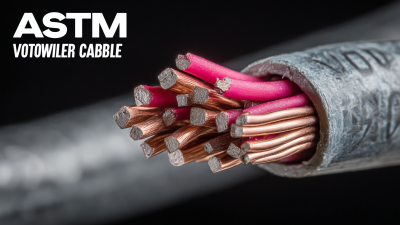
The SANS 1507 CNE concentric cable is specifically designed to meet the evolving demands of electrical installations, particularly for house service connections. This cable features a circular stranded hard-drawn copper phase conductor that enhances conductivity and overall performance. With its cross-linked polyethylene (XLPE) insulation, it offers excellent resistance to heat and electrical stress, ensuring long-term reliability in various applications. Additionally, the bare ground conductor arranged concentrically provides an effective grounding solution, crucial for safety in electrical systems.

One of the standout features of this cable is its polyethylene sheath, which is rated for 600/1000V, making it ideal for both residential and industrial use. The integrated nylon ripcord, strategically placed beneath the sheath, simplifies the installation process by allowing for easy stripping without compromising the integrity of the conductor. Manufactured in accordance with SANS 1507-6, this concentric cable guarantees compliance with international standards, thereby ensuring peace of mind for contractors and end-users alike in their electrical projects. Whether for new installations or upgrades, understanding the benefits of SANS 1507 CNE concentric cable is essential for choosing the right product for your needs.

FAQS

: What are the key advantages of using single core power cables in energy management?

: Single core power cables enhance energy transmission efficiency by up to 20% due to their lower electrical resistance compared to multi-core cables. They also simplify installation and maintenance, potentially reducing maintenance costs by up to 15%.

What factors should be considered when selecting a single core power cable?

Important factors include the intended application, voltage rating, environmental conditions, insulation material, and flexibility of the cable. These considerations help ensure safety, compliance, and alignment with energy management goals.

How can the insulation material affect the performance of single core power cables?

The insulation material plays a significant role in the durability and performance of the cable. Selecting suitable insulation (like PVC or XLPE) based on exposure to heat, moisture, or chemicals enhances the cable’s longevity and efficiency.

What maintenance practices are recommended for single core power cables?

Regular inspections for wear such as frayed insulation or corrosion, managing the installation environment, and maintaining proper bending radii are crucial for optimal performance.

Why are regular inspections important for single core power cables?

Regular inspections can lead to a potential reduction in operational costs by up to 15% and help identify issues that could impact performance before they escalate into larger failures.

What impact do environmental conditions have on single core cables?

Extreme temperatures or exposure to chemical substances can increase the failure rate of cables. Installing them in protective conduits can mitigate damage from these conditions.

How often should the insulation resistance of power cables be tested?

It is essential to test the insulation resistance annually to detect potential failures early, helping to prevent costly downtime.

What is the significance of maintaining proper bending radii during installation?

Maintaining proper bending radii helps prevent stress on the cable, which can extend its lifespan and enhance overall performance.

In what applications are single core power cables typically used?

Single core power cables are utilized for power distribution in various settings, including residential and industrial applications.

How does using single core power cables align with sustainable energy management practices?

The efficiency and reduced energy loss associated with single core power cables contribute to enhanced operational efficiency and lower overall energy consumption, supporting sustainable practices.

Conclusion

Single core power cables really shine when it comes to managing energy—they help boost efficiency and cut down on losses. Their design is pretty clever; it reduces electrical interference and makes installation a whole lot easier, so they’re a great pick for a bunch of different uses. When you're choosing a single core power cable, it’s super important to think about things like how much current it can handle, the type of insulation, and the environment where it'll be used to make sure you’re getting the best performance.

Also, don’t forget that installing them properly and doing regular maintenance is key if you want these cables to last and work well over time. Something else to keep in mind—compared to multi-core cables, single-core ones often perform better in certain situations, so it’s worth considering which option fits your needs best.

At HENAN TINDE POWER CO., LTD., we’re all about providing top-quality power equipment and cable solutions. Our goal is to get you the right products and services to help you stay on top of your energy game.
Lila

Lila

Lila is a dedicated marketing professional at Henan Tianda Electric Power Co., Ltd., where she specializes in promoting the company's innovative projects. With a profound understanding of the electric power industry, she excels in articulating the advantages and unique features of the company's......
Previous Exploring the Advantages of Mv Power Cable for Sustainable Energy Solutions