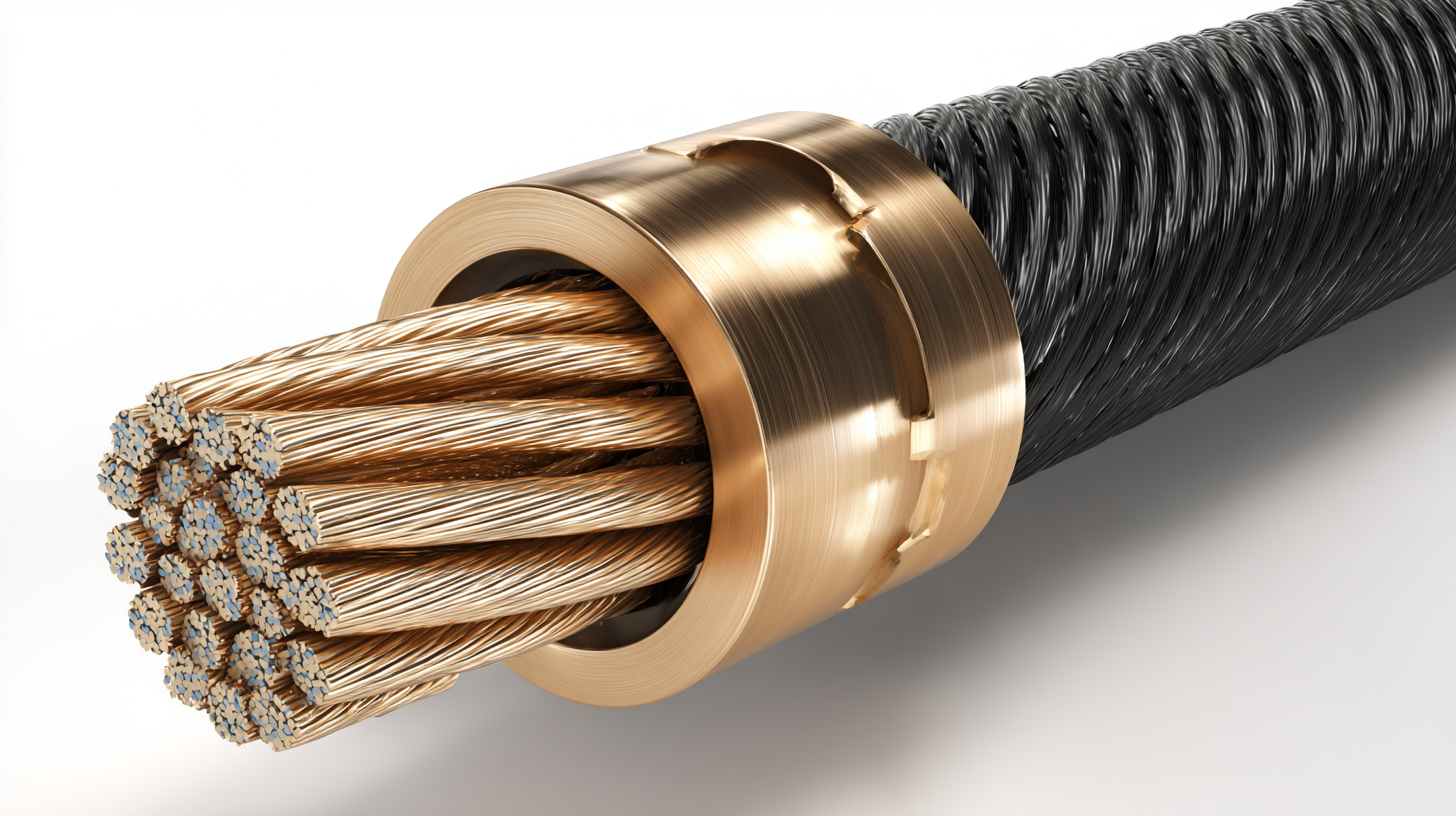
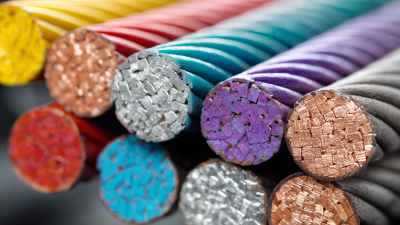
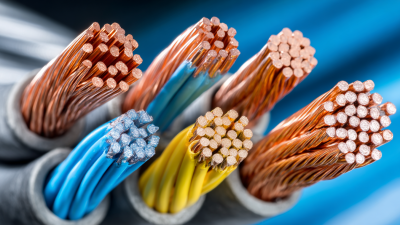
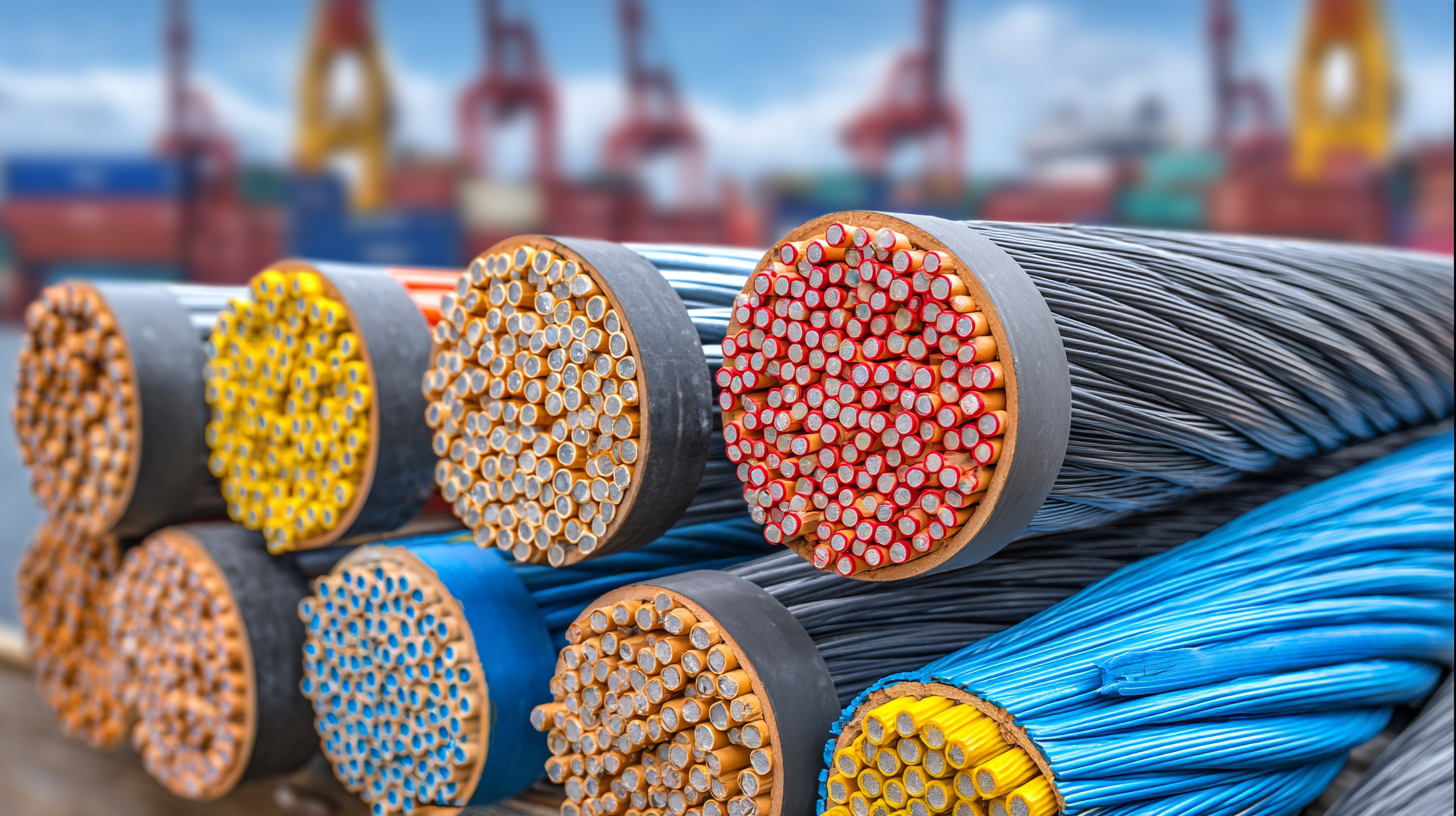
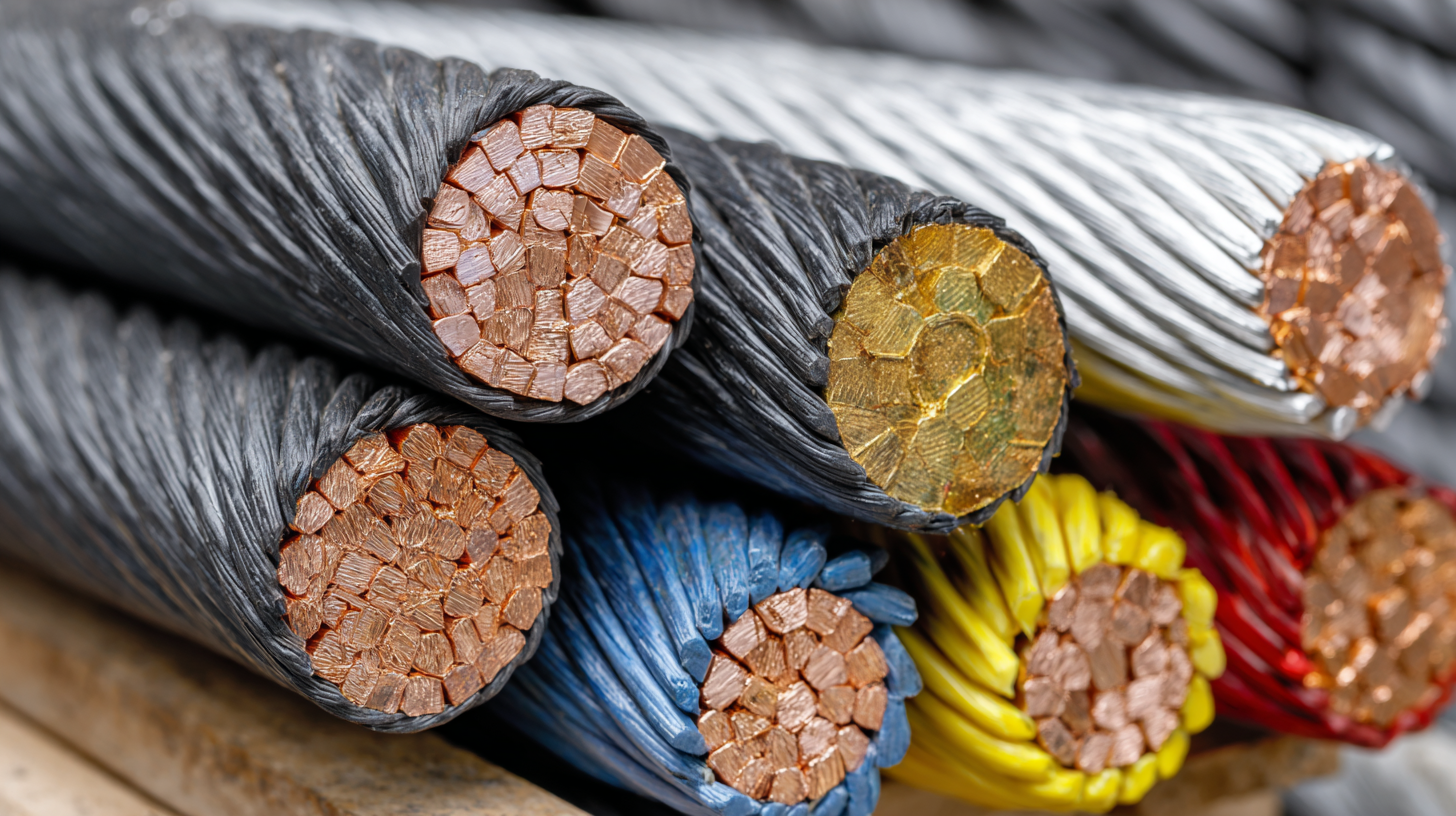
These days, with how quickly the energy scene is shifting, having reliable and efficient power solutions is more important than ever. One option that’s been catching a lot of attention is XLPE insulated cable. It’s pretty impressive — known for its top-notch electrical performance and toughness against environmental factors. It plays a key role in helping us meet the world’s growing energy needs. At HENAN TINDE POWER CO., LTD., we’re dedicated to not just offering high-quality XLPE insulated cables but also providing full support with installation and design of power equipment. With our solid expertise in manufacturing wires and cables, we’re really focused on keeping up with industry demands while making safety and efficiency a top priority. In this guide, I’ll walk you through the many benefits of XLPE insulated cables and why they’re so crucial for powering a more sustainable future.
Understanding XLPE Insulated Cables: Key Features and Advantages
You know, XLPE (cross-linked polyethylene) insulated cables have really become the go-to choice worldwide, especially when it comes to power distribution and transmission. What’s great about these cables is their fantastic thermal and electrical performance — they really hold up well across different uses. I came across a MarketsandMarkets report saying that the global market for XLPE cables is expected to hit about USD 45.2 billion by 2026. That just shows how more and more folks are turning to these cables because they’re reliable and efficient for the long haul.
But honestly, it’s not just about performance. XLPE cables are pretty tough against moisture and chemicals, which makes them perfect for rough environments. A study from Research and Markets even points out that they have lower dielectric losses compared to the old-school PVC cables — meaning they’re more energy-efficient. Plus, they can handle high temperatures and mechanical stresses better, so they don’t need as much maintenance and tend to last longer. All these qualities make XLPE cables an obvious choice for renewable energy projects, where dependability and efficiency are more important than ever to keep up with the world’s energy needs.
Understanding the Benefits of Xlpe Insulated Cable for Global Supply Needs - Key Features and Advantages
| Feature |
Description |
Benefits |
| Electrical Insulation |
XLPE provides excellent dielectric strength and insulation. |
Reduces energy loss and enhances safety in electrical systems. |
| Thermal Stability |
Can withstand high temperatures up to 90°C continuously. |
Increases reliability and longevity of installation. |
| Chemical Resistance |
Resistant to various chemicals and solvents. |
Suitable for industrial applications where exposure to chemicals is common. |
| Moisture Resistance |
Designed to repel moisture effectively. |
Prevents corrosion and degradation of the cable. |
| Flexibility and Lightweight |
Easier to install and manipulate compared to traditional cables. |
Saves time and labor costs during installation. |
| Environmental Impact |
Made from recyclable materials and reduces environmental footprint. |
Aligns with global sustainability goals. |
The Significance of XLPE Insulation in Modern Electrical Systems
XLPE, or cross-linked polyethylene insulation, is really gaining ground in modern electrical systems, mainly because it offers some pretty impressive performance benefits. If you’ve seen recent reports, like from Research and Markets, they’re predicting the global XLPE cable market to hit around $63.44 billion by 2026. A lot of that growth is fueled by growing demand for reliable, efficient cables across different areas — think renewable energy projects, big infrastructure jobs, and industrial setups. One huge perk of XLPE insulation is how well it handles heat; it can operate safely at higher temperatures without breaking a sweat. In fact, these cables can withstand temperatures up to 90°C, which is super handy, especially when you’re dealing with high current systems that tend to get pretty hot.
On top of that, XLPE’s electrical properties do a great job of cutting down power losses. That’s a big deal, especially for long-distance power transmission. The International Energy Agency even pointed out that switching from traditional cables to XLPE ones could slash energy losses by around 15%. That’s not only good news for the wallet but also a win for the environment—by reducing energy waste, we’re helping to lower the carbon footprint associated with power delivery. With stricter regulations around energy efficiency and eco-impact becoming more common, using XLPE insulated cables isn’t just a smart choice — it’s pretty much a necessity for modern electrical infrastructure.
Comparative Analysis: XLPE vs. Traditional Cable Insulations
You know, XLPE (that’s cross-linked polyethylene) insulated cables have really been gaining popularity lately, and honestly, they’re seen as a better alternative to the older-school options like PVC or rubber. One of the biggest perks with XLPE is how much better it handles heat—you can run these cables at temps above 90°C without breaking a sweat. According to a recent report from the International Energy Agency, switching to XLPE cables can boost energy efficiency in transmission lines by around 15%. That’s mainly because they lose less heat compared to traditional insulations, which is pretty impressive.
Plus, XLPE cables are tough as nails when it comes to electrical stress and environmental challenges—think UV rays, moisture, you name it. Because of that durability, they tend to last way longer—like over 40 years, based on some studies. That’s quite a jump from PVC cables, which usually last about 20 years. Not only does this mean you save on replacements, but it also cuts down on maintenance costs, making them a more cost-effective choice overall. According to a market report from Grand View Research, demand for XLPE cables is expected to grow at roughly 6.3% annually between 2021 and 2028, highlighting just how vital they’ve become for modern infrastructure projects.
Market Trends: Demand Forecast for XLPE Insulated Cables Globally
Hey, have you heard about the XLPE insulated cable market? It’s actually booming! As of 2023, it’s worth around $33.9 billion, and experts are predicting it could jump all the way up to about $58.66 billion by 2032. That’s a pretty impressive compound annual growth rate of roughly 6.35% from 2024 onward. The reason? Well, these cables are in high demand because they perform really well in a bunch of different areas—think telecom, building infrastructure, and even consumer electronics. People love their reliability and efficiency.
If you’re thinking about buying XLPE cables, it’s pretty important to stay in the loop with the latest trends and innovations. A good move is to check out your suppliers carefully—make sure they can meet your specific industry needs and that they carry the right quality certifications. Also, don’t forget to consider the long-term savings; even if XLPE cables cost a bit more upfront, their durability and performance can actually save you money over time.
Looking ahead to 2032, the trend seems pretty clear: demand for advanced, eco-friendly cable materials is only going to grow. Companies that adopt sustainable practices now could really get a leg up in this market. Plus, embracing new tech that makes XLPE cables safer and more efficient can help you stay ahead of the game. All in all, it’s an exciting time for this industry!
Environmental Impact: How XLPE Cables Support Sustainable Practices
You know, XLPE (that's cross-linked polyethylene) insulated cables are really starting to take center stage in the global energy scene, especially when it comes to pushing for more sustainable solutions. One of the coolest things about XLPE cables is how well they handle thermal and electrical stresses—this means they last longer and work more efficiently. I came across a report from the International Energy Agency (IEA) that said these cables can boost energy transmission efficiency by up to 30% compared to the old-school PVC ones. That’s a pretty big deal, especially because it means less wasted energy — which is super important if we’re serious about being more sustainable.
And here's the good news—XLPE cables are greener, too. A study by the IEEE pointed out that these cables are recyclable, so they generate less waste and help keep our planet a bit healthier. Plus, making them produces way fewer greenhouse gases than traditional cables, which totally lines up with efforts to fight climate change. As industries push toward reaching carbon neutrality, adopting XLPE insulated cables seems like a smart move—supporting sustainable practices while still keeping up with the world’s growing energy needs. Honestly, it feels like a step in the right direction for everyone, don’t you think?
Understanding the Benefits of XLPE Insulated Cable for Global Supply Needs
Cost-Effectiveness: Long-term Savings with XLPE Insulated Solutions
You know, XLPE, or cross-linked polyethylene insulated cables, have really become a big deal across many industries lately. People are loving them because they save money in the long run and are pretty cost-effective from the get-go. Unlike some older types of insulation, XLPE can handle higher temperatures much better, so the cables stay efficient even under tougher conditions. That means your systems run smoother, and you won’t have to worry as much about replacing or fixing things all the time — which definitely helps with maintenance costs down the line.
On top of that, XLPE cables don’t waste as much energy during transmission. They’re more efficient that way, helping companies cut down on power loss and overall energy bills. Especially now, when businesses are really trying to streamline their supply chains and save on operational costs, switching to XLPE isn’t just a smart move — it’s kind of a no-brainer financially. Investing in these kinds of cables really pays off over time, so whether you’re working on current projects or planning for the future, they’re a pretty solid choice.
FAQS
: XLPE insulated cables are primarily used in power distribution and transmission industries due to their excellent thermal and electrical properties.
The global market for XLPE insulated cables is projected to reach USD 45.2 billion by 2026.
XLPE cables exhibit lower dielectric losses, which leads to improved energy efficiency, and they have superior resistance to moisture and chemicals.
XLPE cables enhance reliability and efficiency, making them ideal for renewable energy projects that require performance under high temperatures and mechanical stress.
XLPE cables have a lower environmental footprint, are recyclable, and produce significantly fewer greenhouse gases during production compared to conventional cables.
XLPE cables can enhance energy transmission efficiency by up to 30% compared to traditional PVC cables.
Their longevity and efficiency lead to reduced energy losses, promoting a circular economy and aligning with global carbon neutrality goals.
Industries are adopting XLPE cables due to their long-term reliability, efficiency, and lower maintenance costs.
XLPE cables can withstand high temperatures and mechanical stress, which significantly enhances their performance in various applications.
The production and recycling of XLPE cables contribute to reduced greenhouse gas emissions, supporting global efforts to mitigate climate change.
Conclusion
You know, XLPE insulated cables are really becoming a key part of today's electrical systems. They bring a lot to the table compared to the old-school insulations—like better heat resistance, improved electrical performance, and they’re pretty tough overall. That’s why they’re such a great choice to keep up with the growing demand around the world. Like I mentioned in the blog, using XLPE not only makes power systems more reliable but also helps us be a bit greener by cutting down on environmental impact.
Plus, it looks like the market’s really moving toward these kinds of cables. People are after cost-effective, durable solutions that last a long time. Companies like Henan Tinde Power Co., Ltd., are really into researching, designing, and selling these power solutions. Their focus on XLPE shows how much potential there is for saving money in the long run—think cheaper installation and less maintenance hassle. All in all, shifting towards modern cable options like XLPE really highlights how important it is to understand their benefits, especially as the energy world keeps changing fast.