Lately, there's been a real push to incorporate more advanced materials into electrical systems, and
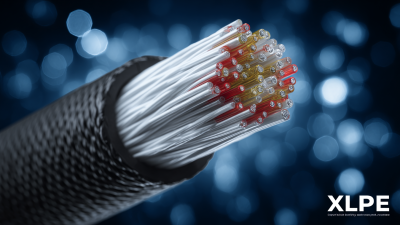
XLPE (that's Cross-Linked Polyethylene, by the way)
power cables are really at the forefront right now. The market for these cables is booming — in fact,
it's expected to grow by more than 7% each year
from 2021 to 2026. People love XLPE cables because they're super resistant to
heat, chemically stable, and provide better
electrical insulation, which makes them perfect for both homes and big industrial setups.
Oh, and by the way, HENAN TINDE POWER CO., LTD.,
a well-known company based in Zhengzhou, China, is actively involved in installing power equipment and
also dives into the research, design, and sales of wire and cable solutions. By taking advantage of the
benefits that XLPE cables offer, HENAN TINDE POWER CO., LTD. is really positioning itself to keep up
with the changing needs of modern electrical systems, making sure everything runs smoothly and reliably.
Advantages of XLPE Power Cables Over Traditional PVC Cables in Electrical Systems
Switching from traditional PVC cables to Cross-Linked Polyethylene (XLPE) power cables is really a big step forward in today's electrical industry. You know, XLPE cables have some pretty clear advantages—they handle heat better and lose less energy through their dielectric properties. And it’s interesting because the global market for XLPE cables is expected to grow quite a bit, from around $35.8 billion in 2024 to roughly $58.7 billion by 2032, with an annual growth rate of about 6.35%. This growth just shows how much the industry is starting to see XLPE as the better choice.
Plus, with more and more areas going digital and adding renewable energy sources, the demand for high-quality cables is only going up. The medium voltage cable market alone, which already surpassed $64.7 billion in 2024, is projected to grow at around 7.3% from 2025 to 2034. What’s driving this? Well, it’s mostly XLPE’s superior insulation properties—making installations safer and more reliable—especially in smart infrastructure projects. As more folks become aware of these benefits, industries will probably adopt XLPE cables even more, marking a pretty significant change in how we wire things up these days.
Understanding the Benefits of Using Xlpe Power Cable in Modern Electrical Systems - Advantages of XLPE Power Cables Over Traditional PVC Cables in Electrical Systems
| Feature |
XLPE Power Cable |
PVC Power Cable |
| Temperature Resistance |
Up to 90°C (dry), 250°C (short circuit) |
Up to 70°C (dry), 160°C (short circuit) |
| Chemical Resistance |
Highly resistant to oils, acids, and chemicals |
Limited resistance to chemicals |
| Weight |
Lighter, resulting in easier handling and installation |
Heavier, which may complicate installation |
| Environmental Impact |
Low environmental impact and recyclable |
Higher environmental impact and less recyclable |
| Cost |
Higher initial cost but long-term savings due to durability |
Lower initial cost but shorter lifespan |
| Durability |
Excellent durability and longer lifespan |
Susceptible to environmental wear and tear |
Insights into the Thermal Resistance Properties of XLPE Cables in High Voltage Applications
Lately, there's been a real push towards renewable energy and sustainable practices, and that’s a big reason why
XLPE (cross-linked polyethylene) power cables are gaining popularity in today's electrical setups. One of the coolest things about XLPE cables is their
incredible thermal resistance—they're perfect for handling high voltage stuff. When safety and efficiency are such a big deal, knowing that XLPE insulation can resist thermal aging means these cables can last a long time, even under tough conditions.
If you're thinking about using XLPE cables for renewable energy projects, it’s a good idea to look beyond just their heat resistance. Think about how
eco-friendly they are and whether they can be recycled. It’s worth choosing manufacturers who really prioritize
sustainable production methods, too. Oh, and keep an eye on new tech—things like the incorporation of nanoparticles into insulation materials could really boost their performance and durability.
As the market for medium voltage wires and cables keeps on growing—projected to hit around $64.7 billion in 2024—using top-notch materials like XLPE is going to be more important than ever. These developments support the shift towards greener energy sources like solar and wind, making our electrical systems more reliable and efficient in the process. It’s an exciting time for sustainable tech, and XLPE is playing a big part in that story.
Evaluating the Durability and Chemical Resistance of XLPE Power Cables in Harsh Environments
You know, the XLPE (that’s cross-linked polyethylene) power cable market is really set to grow quite a bit over the next few years. It’s mainly because these cables are super durable and resistant to chemicals, which is a huge plus. As industries push to operate in tougher environments—think harsh weather, demanding manufacturing, or energy sectors—the demand for reliable, high-performance electrical solutions has shot up.
XLPE cables are pretty much perfect for these extreme conditions—they handle heat well, resist chemicals and moisture, and can take a lot of mechanical abuse. That kind of resilience is a game changer, especially in fields like construction, energy, and manufacturing, where you just can’t afford failures or downtime.
Looking ahead, from 2024 all the way to 2032, the worldwide market for XLPE cables is expected to grow from about $35.84 billion to roughly $58.66 billion. That’s a solid annual growth rate of roughly 6.35%. This trend really matches up with how industries are leaning toward better, longer-lasting materials to keep things running smoothly. The fact that XLPE cables can stay reliable even in tough conditions not only keeps things safe and efficient but also helps cut costs over time. All in all, they’re becoming an essential part of modern electrical systems—no doubt about it.
Cost-Benefit Analysis: Long-Term Savings with XLPE Cables in Infrastructure Projects
When you think about using XLPE (cross-linked polyethylene) power cables in today's electrical setups, it really makes sense from a cost-benefit standpoint—especially if you're looking at long-term savings on larger projects. These cables are pretty impressive because they handle heat much better and can carry way more current than the older types of cables. That means less energy lost over time, which adds up to lower electricity bills for everyone—from utilities to the folks at home.
Plus, XLPE cables are tough as nails. They're resistant to moisture, chemicals, and physical damage, so they tend to last a lot longer. That durability cuts down on the costs associated with repairs or replacing cables often. And let’s not forget, because they last longer and are more resistant, they also help reduce waste—less junk ending up in landfills. All in all, investing in XLPE cables can really pay off, not just in the short run but over the entire lifecycle.
Honestly, they’re a smart choice for modern electrical systems, saving money and being better for the environment too.
Understanding the Environmental Impact and Sustainability of XLPE Power Cables
Lately, there's been a real shift toward renewable energy sources like solar, wind, and hydropower—that's actually changing the game when it comes to power cables, especially XLPE (that’s cross-linked polyethylene). These cables are popular because they insulate so well and can handle tough environmental conditions. It’s pretty clear that as the world's demand for electrical infrastructure grows, so does the need for reliable, sustainable cables. In fact, the global market for medium voltage wires and cables is expected to grow at about 7.3% each year from 2025 to 2034, and it's projected to hit over USD 64.7 billion by 2024—that’s a huge jump! This really shows how important green practices are becoming. Using XLPE cables isn’t just about energy efficiency—it’s also a way for the industry to stay eco-friendly and meet those rising sustainability goals.
Plus, some forward-thinking companies are stepping up their game by creating greener products. There are cool initiatives in play, like recycling old cables to cut down on waste and environmental damage. We’re also seeing some pretty exciting tech breakthroughs, like cables that are fully recyclable—talk about innovation! Even better, some manufacturers are running their factories on renewable energy, which helps cut down a lot of CO2 emissions. All these trends point to a bright future for XLPE cables—growth driven by the global push for more resilient and eco-conscious electrical systems. It’s an exciting time for this industry, no doubt.
Key Industry Standards and Certifications for XLPE Power Cable Performance and Safety
You know, XLPE (that’s cross-linked polyethylene) power cables have really become quite popular in today's electrical setups. Honestly, their main selling points are their better performance and the added safety features they offer. But, here’s the thing—making sure these cables meet industry standards and certifications is super important if you want them to handle the tough demands of real-world electrical work. For example, according to a report from the International Electrotechnical Commission (IEC), most XLPE cables follow the IEC 60502-1 standard. That’s the one that lays out the specs for extruded insulation cables rated up to 1 kV. It basically ensures they’re well-built enough to handle all sorts of environmental conditions, which is a huge factor in how long they last and how dependable they are.
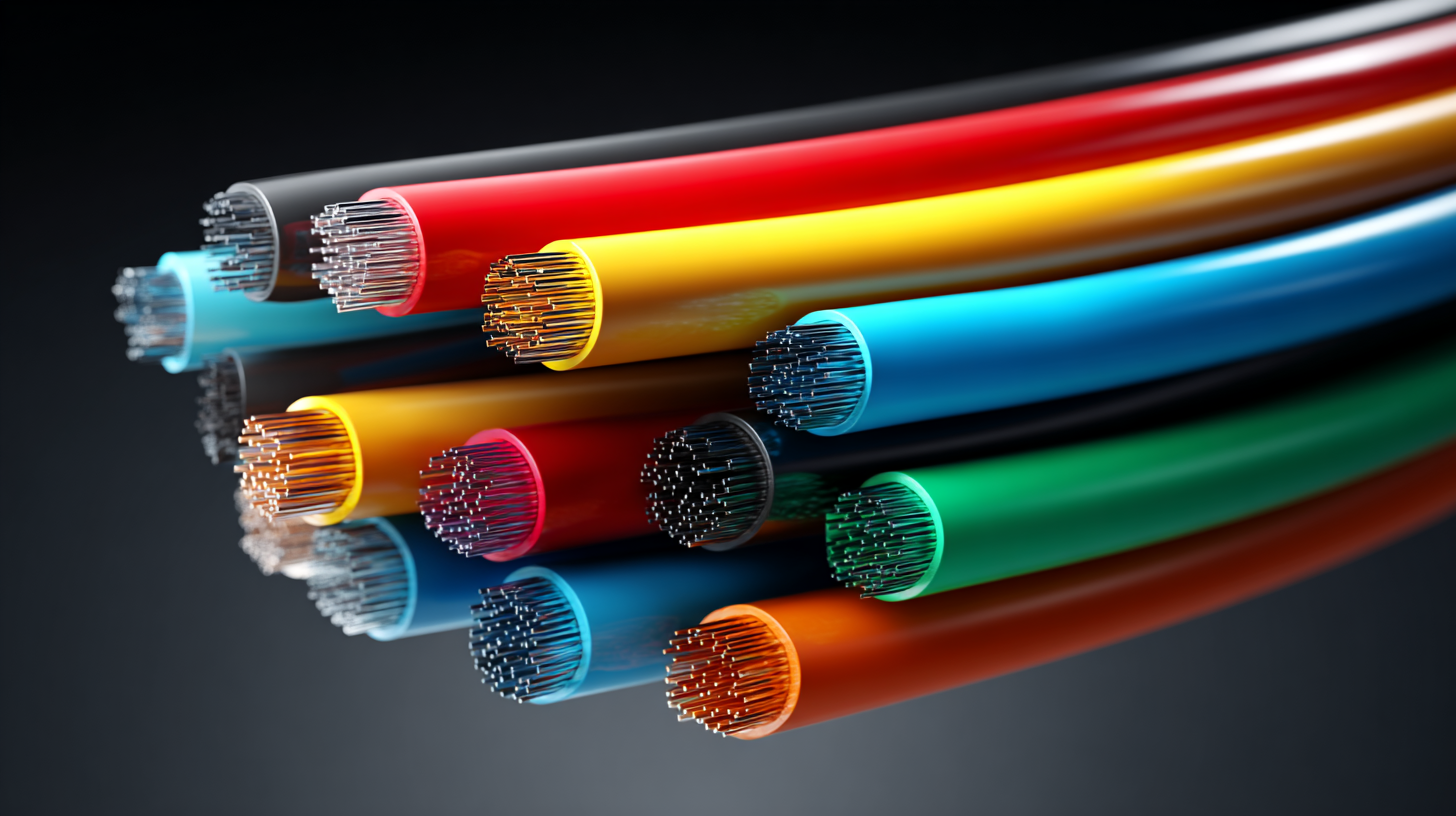
On top of that, XLPE cables also go through certifications like UL 44 and UL 1581. These are from Underwriters Laboratories and focus on safety and performance aspects of insulated wires and cables. Having these certifications pretty much guarantees that XLPE cables resist heat well and have solid dielectric qualities—meaning they do their job of insulation really effectively. Oh, and recent industry reports show that these cables can operate smoothly in temperatures ranging from a chilly -40°C all the way up to 90°C. That kind of flexibility really opens up a lot of application possibilities. As we lean more and more on high-voltage systems, sticking to these standards isn’t just a formality—it’s crucial for keeping everything safe, efficient, and reliable in power distribution networks.
FAQS
: XLPE cables offer superior thermal resistance and higher current-carrying capacity, resulting in reduced energy losses and lower electricity costs. Their durability also leads to longer lifespans, minimizing maintenance costs and environmental impact.
The increased efficiency of XLPE cables reduces energy losses over time, while their durability lowers the frequency of replacements and repairs, leading to substantial savings in both operational and lifecycle costs.
XLPE cables improve energy efficiency and are aligned with sustainable practices. Their longer lifespan reduces waste, and advancements include recycling initiatives and the development of 100% recyclable cable solutions.
The global medium voltage wire and cable market is projected to grow at a CAGR of 7.3% from 2025 to 2034, reaching over USD 64.7 billion by 2024, driven by the demand for environmentally sustainable solutions.
XLPE cables typically comply with IEC 60502-1, focusing on extruded insulation cables for rated voltages up to 1 kV, as well as UL 44 and UL 1581 certifications, ensuring robust construction and excellent thermal resistance.
XLPE cables can maintain operational efficiency in temperatures ranging from -40°C to 90°C, enhancing their versatility across various applications.
Some manufacturers are implementing circular economy practices by recycling end-of-life cables and using renewable energy in their factories, significantly reducing CO2 emissions.
Investing in XLPE cables is smart because they provide long-term cost savings, efficiency, durability, and align with growing environmental sustainability standards, making them a value-driven choice for infrastructure projects.
Conclusion
So, I came across this article called "Understanding the Benefits of Using XLPE Power Cables in Modern Electrical Systems," and I gotta say, it really highlights why XLPE cables are such a game-changer compared to the usual PVC ones. The piece points out how these cables excel in terms of handling heat, lasting longer, and resisting chemicals—even in tough environments. That’s a huge deal since they’re perfect for high-voltage setups where you really can’t afford any failures. Plus, it makes a good case for how, over the long run, investing in XLPE cables can save you money because they’re more durable and need less maintenance. Definitely a smart choice if you ask me.
The article also touches on how eco-friendly XLPE cables are compared to other options—something I think more of us should consider. It even covers important standards and certifications that ensure these cables are safe and reliable. And, being a well-known player in the power industry, HENAN TINDE POWER CO., LTD. emphasizes just how vital it is to adopt advanced, efficient solutions like XLPE to make electrical systems better, more reliable, and greener overall.
Honestly, it’s a pretty compelling read if you’re into modern electrical infrastructure and sustainability.