When you're thinking about making electrical systems reliable and efficient, picking the right cables is a pretty big deal. XLPE power cables, which are basically cross-linked polyethylene cables, really stand out because of how well they perform and how tough they are. They’re a game-changer for both commercial setups and industrial use, which is why so many engineers and tech pros swear by them.
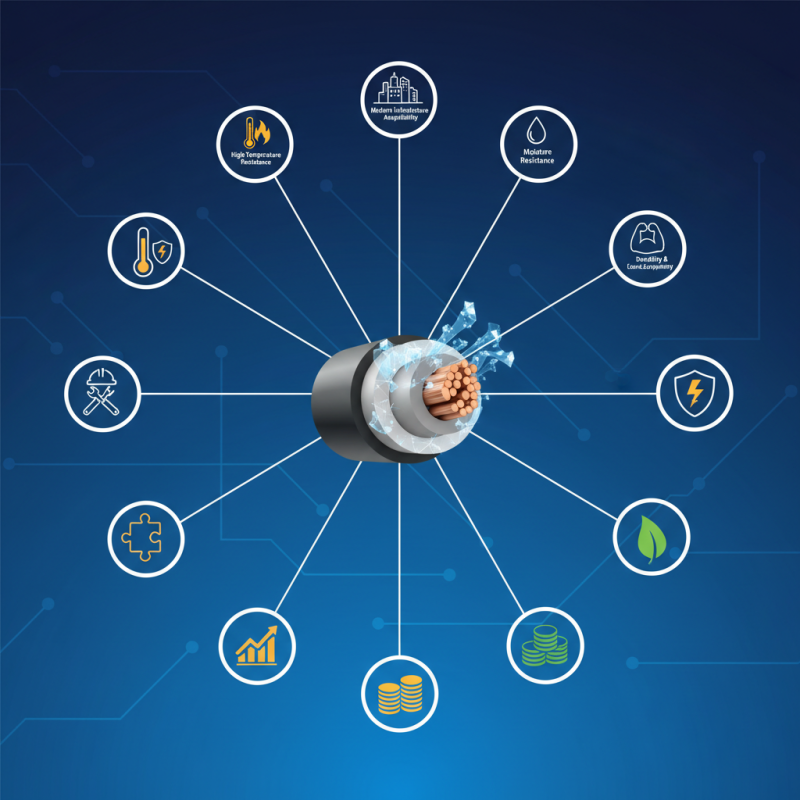
In this piece, I want to walk you through the top 10 perks of using XLPE power cables. We'll cover stuff like how they can handle high temperatures, stay resistant to moisture, and last for ages. As technology keeps improving and the need for better energy flow grows, knowing the ins and outs of XLPE cables can seriously make your electrical systems work smoother and more reliably. So, stick with us as we dive into what makes XLPE power cables such a must-have in today’s electrical world.
Understanding XLPE Power Cables and Their Composition
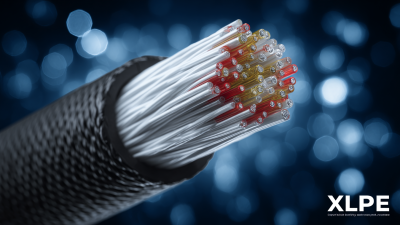
XLPE (Cross-Linked Polyethylene) power cables are a crucial component in modern electrical systems, celebrated for their impressive thermal and electrical qualities. The composition of XLPE cables involves a process called cross-linking, where polyethylene is subjected to heat and pressure to create a three-dimensional network of molecular structures. This unique structure significantly enhances the cable's resistance to heat, chemical exposure, and electrical stress, enabling them to perform effectively in demanding environments.
The insulation material used in XLPE cables provides several advantages over traditional materials. Due to its higher thermal resistance, XLPE can operate efficiently at elevated temperatures, often exceeding 90°C. Additionally, the material's excellent dielectric properties contribute to reduced dielectric losses, improving the overall energy efficiency of electrical systems. Moreover, XLPE cables are more durable and less prone to water absorption than conventional cables, which contributes to their longevity and reliability, making them suitable for a wide range of applications from power generation to distribution networks.
Exceptional Insulation Properties of XLPE Power Cables
XLPE (cross-linked polyethylene) power cables are becoming increasingly popular in electrical systems due to their exceptional insulation properties. One of the key advantages of XLPE is its high dielectric strength, which can exceed 20 kV/mm as reported by the International Electrotechnical Commission (IEC). This characteristic allows XLPE cables to effectively withstand high voltage applications, making them suitable for various industrial and commercial uses. Additionally, XLPE cables demonstrate minimal capacitance, resulting in lower energy losses and improved efficiency in power transmission.
Furthermore, the thermal performance of XLPE cables is noteworthy. With a maximum operating temperature of up to 90°C, XLPE insulation can handle extreme environments without compromising integrity. According to a report by the International Cablemakers Federation, XLPE's thermal resistance enables better heat dissipation, reducing the risk of overheating and extending the lifespan of the cables. This is particularly important for underground installations where heat buildup can lead to significant issues if not managed properly. The combination of excellent thermal and electrical properties ensures that XLPE cables maintain performance over time, making them a reliable choice for modern electrical infrastructure.
Top 10 Benefits of XLPE Power Cables for Your Electrical Systems - Exceptional Insulation Properties of XLPE Power Cables
| Benefits |
Description |
| Exceptional Insulation Properties |
XLPE cables provide superior insulation that resists moisture, heat, and electrical leakage. |
| Low Dielectric Loss |
These cables have low dielectric losses, which improves energy efficiency during transmission. |
| Thermal Resistance |
XLPE can withstand higher temperatures, making it suitable for various applications. |
| Chemical Resistance |
Resistant to chemicals and environmental factors, XLPE cables have a longer lifespan. |
| Improved Mechanical Strength |
Designed to offer stronger resistance to physical stress and damage. |
| Lightweight |
XLPE cables are lighter than other types of cables, making them easier to handle and install. |
| Versatility |
Suitable for a wide range of applications from power distribution to industrial settings. |
| Cost-Effectiveness |
Longer service life and reduced maintenance expenses help in lowering total costs. |
| Environmental Benefits |
XLPE cables are recyclable and have a reduced environmental impact during production. |
| High Voltage Application |
Capable of withstanding high voltages, making them ideal for high-power transmission systems. |
Enhanced Thermal Resistance in XLPE Power Cables
XLPE (cross-linked polyethylene) power cables are increasingly recognized for their superior thermal resistance, making them a preferred choice for modern electrical systems. One of the standout features of XLPE cables is their ability to withstand high temperatures without degradation. Reports indicate that XLPE can operate efficiently at temperatures up to 90°C, with short excursions up to 130°C, compared to conventional PVC cables that typically operate at much lower temperature limits. This enhanced thermal capability not only ensures a longer lifespan of the electrical systems but also contributes to reduced maintenance costs and improved reliability.
Moreover, the thermal stability of XLPE cables allows for a higher current-carrying capacity, which is pivotal in accommodating the growing demand for electricity in urban developments. According to industry studies, the thermal conductivity of XLPE leads to better heat dissipation properties, thus minimizing the risk of overheating during peak loads. This characteristic is critical as it helps in managing thermal stress, which can lead to electrical failures over time. By leveraging the benefits of enhanced thermal resistance, XLPE power cables secure operational efficiency, reduce energy losses, and ensure safe electrical installations, confirming their status as a vital component in contemporary electrical infrastructure.
The Durability and Longevity of XLPE Power Cables
XLPE (cross-linked polyethylene) power cables are gaining popularity in electrical systems due to their exceptional durability and longevity. Unlike traditional cables, XLPE cables are designed to withstand extreme temperatures and environmental conditions. This resilience significantly reduces the need for frequent repairs and replacements, making them a cost-effective solution for both industrial and residential applications. The cross-linking process enhances the mechanical strength and thermal resistance of the insulation, allowing these cables to perform reliably over long periods.
When considering XLPE power cables for your electrical systems, it’s essential to focus on installation and maintenance. Proper installation techniques can further extend the lifespan of these cables. Tips for installation include ensuring that the cables are laid on a smooth surface to prevent abrasion and using proper cable management systems to avoid excessive strain. Additionally, regular inspections can help identify any potential issues before they escalate, ensuring the longevity of your power systems.
Choosing XLPE power cables also benefits from their resistance to environmental stressors. Their excellent dielectric properties prevent moisture ingress and are resistant to chemicals and UV radiation. To maximize the benefits, it's advisable to store the cables properly before installation. Keeping them in a cool, dry place and ensuring they are handled with care can prevent damage and maintain their integrity, thus supporting their durability even further.
Cost-Effectiveness: Saving Money with XLPE Power Cables
XLPE (cross-linked polyethylene) power cables have gained significant attention in recent years, largely due to their
cost-effectiveness in various electrical applications. A valuable characteristic of XLPE cables is their
enhanced thermal performance, which allows for higher current-carrying capacity and ultimately leads to reduced energy loss.
According to a report from the International Energy Agency, optimizing energy transmission through high-quality materials such as XLPE can decrease operational costs by approximately
10-20% over the lifecycle of the installation.
Furthermore, the installation and maintenance costs of XLPE power cables are generally lower when compared to traditional cable materials.
This is not only due to the cables' lightweight design, which simplifies handling and installation, but also due to their long-term durability and
resistance to environmental factors. Research conducted by the Electrical Power Research Institute indicates that XLPE cables have an
extended lifespan, reducing the frequency of replacements and repairs, which can contribute to savings of up to
30% in overall project expenditures. By investing in XLPE power cables, electrical systems can realize significant financial benefits while ensuring
reliable and efficient power distribution.
Environmental Benefits of Using XLPE Power Cables
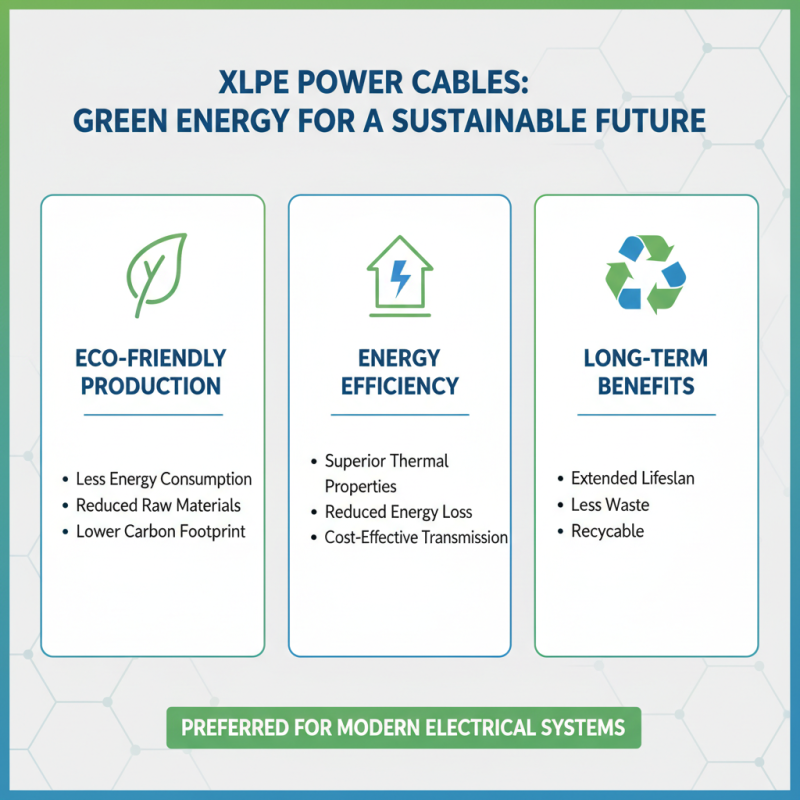
XLPE (Cross-Linked Polyethylene) power cables offer significant environmental benefits that make them a preferred choice for modern electrical systems. One of the primary advantages is their low environmental impact during production and installation. Unlike traditional cable materials, XLPE is more energy-efficient to produce and requires less raw material, reducing the overall carbon footprint associated with cable manufacturing. Additionally, XLPE cables have enhanced thermal properties, leading to more efficient energy transmission and reducing the waste of energy which indirectly benefits the environment.
Another critical aspect of XLPE power cables is their durability and longevity. These cables are resistant to moisture, chemical exposure, and extreme temperatures, which means they have a longer lifespan and require less frequent replacement. This longevity reduces the need for new resources to be extracted and used in manufacturing replacement cables, thus minimizing environmental degradation. Furthermore, XLPE cables are recyclable at the end of their life cycle, contributing to a circular economy approach and reducing the amount of waste that goes to landfills. By choosing XLPE, organizations can enhance their commitment to sustainability while ensuring reliable performance for their electrical systems.
Applications of XLPE Power Cables in Modern Electrical Systems
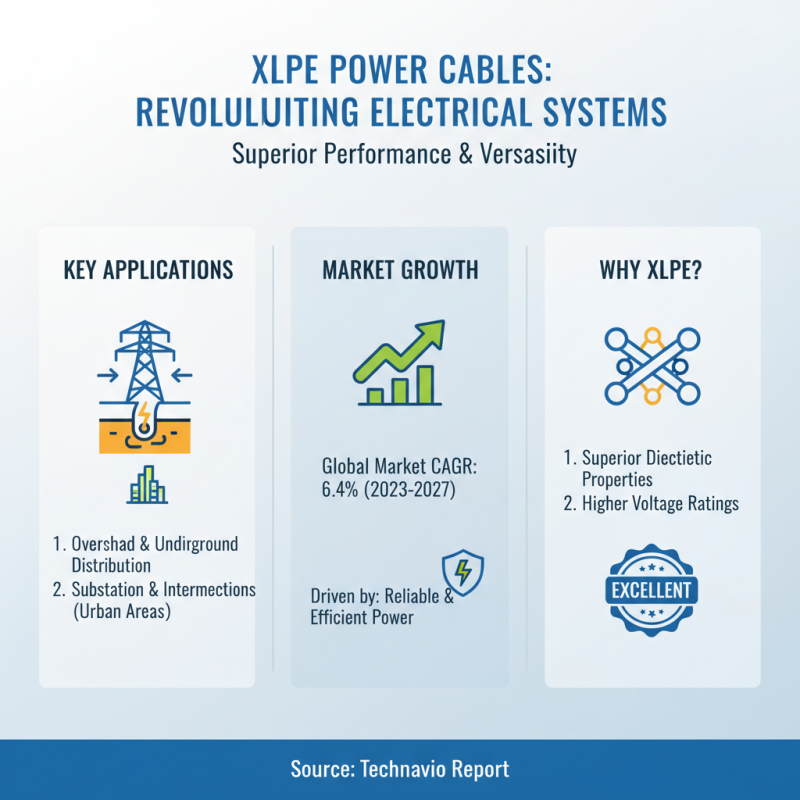
XLPE (cross-linked polyethylene) power cables are increasingly finding applications in modern electrical systems due to their superior performance characteristics and versatility. One significant application of XLPE cables is within overhead and underground electrical distribution networks. According to a report by Technavio, the global market for XLPE cables is expected to grow at a CAGR of 6.4%, driven largely by the increasing demand for reliable and efficient power transmission systems. The excellent dielectric properties of XLPE insulation allow for higher voltage ratings, making them ideal for substation connections and interconnections in urban areas.
In renewable energy integration, XLPE cables play a crucial role in connecting wind and solar power systems to the main grid. The International Energy Agency (IEA) forecasts that by 2025, electricity generated from renewable sources will contribute to nearly 30% of global electricity generation. This shift necessitates robust transmission solutions, and XLPE cables, with their resistance to thermal degradation and moisture, are perfectly suited for these applications. Their ability to perform well in a variety of environmental conditions ensures reliable operation, which is crucial for sustaining the growing energy demands from renewable sources. Thus, the adaptation of XLPE power cables in diverse electrical systems not only enhances performance but also supports the transitioning energy landscape.
FAQS
: XLPE (Cross-Linked Polyethylene) power cables are essential components in electrical systems known for their outstanding thermal and electrical properties. Their unique composition involves a cross-linking process that enhances resistance to heat, chemicals, and electrical stress.
XLPE insulation offers superior thermal resistance, allowing it to operate at higher temperatures (exceeding 90°C), and possesses excellent dielectric properties that reduce energy losses, making electrical systems more efficient and reliable.
XLPE power cables are cost-effective due to their enhanced thermal performance leading to higher current-carrying capacity, which can decrease operational costs by 10-20% over the lifecycle of the installation. Additionally, their lightweight design lowers installation and maintenance expenses.
XLPE cables have an extended lifespan and are more durable than traditional cables, resulting in reduced frequency of replacements and repairs. This longevity can contribute to overall project savings of up to 30%.
XLPE power cables are widely used in overhead and underground electrical distribution networks, substation connections, and renewable energy systems, such as wind and solar power integrations, owing to their robustness and reliability.
XLPE cables are ideal for connecting renewable energy sources to the main grid due to their resistance to thermal degradation and moisture, ensuring reliable operation amidst varying environmental conditions crucial for sustainable energy systems.
The global market for XLPE cables is projected to grow at a CAGR of 6.4%, driven by the increasing demand for efficient and reliable power transmission systems across various applications.
XLPE cables are less prone to water absorption and have superior resistance to environmental factors, making them durable and suitable for diverse applications in challenging conditions.
The excellent dielectric properties of XLPE insulation allow for higher voltage ratings, making them an ideal choice for substation connections and interconnections in densely populated urban settings.
By optimizing energy transmission and reducing dielectric losses, XLPE cables contribute significantly to the energy efficiency of electrical systems, which is vital for modern energy demands.
Conclusion
XLPE power cables have become increasingly popular in modern electrical systems due to their numerous advantages. These cables are composed of cross-linked polyethylene, which offers exceptional insulation properties that safeguard against electrical leakage and enhance overall safety. They also exhibit remarkable thermal resistance, allowing them to perform efficiently in high-temperature environments. The durability and longevity of XLPE power cables mean reduced maintenance and replacement costs, making them a cost-effective choice for both residential and industrial applications.
Moreover, the environmental benefits of XLPE power cables cannot be overlooked; they are designed to be more environmentally friendly compared to traditional cables, contributing to sustainable practices in electrical engineering. Their versatility enables a wide range of applications, from power generation to distribution networks, making XLPE power cables an essential component in the advancement of efficient electrical systems.