In the rapidly evolving landscape of electrical infrastructure, ACSR Conductors have emerged as indispensable components in enhancing energy efficiency worldwide. According to a report by the International Energy Agency, the demand for efficient power transmission solutions is projected to grow by 4% annually, driven by urbanization and the global shift towards renewable energy sources. As a leader in the power sector, HENAN TINDE POWER CO., LTD. is committed to not only providing top-quality ACSR Conductors but also embracing innovative designs and applications that meet the rigorous demands of modern electricity networks.

By leveraging advanced materials and technology, our ACSR Conductors offer superior conductivity and mechanical strength, making them ideal for long-distance power transmission. This blog will delve into the best examples of ACSR Conductors that drive global electrical efficiency, showcasing how they contribute to sustainable energy solutions and support our mission to enhance power reliability and safety.
Key Trends in ACSR Conductor Technology for 2025
 As we move towards 2025, the ACSR (Aluminum Conductor Steel Reinforced) conductor technology is set to witness significant advancements that will enhance electrical efficiency worldwide. Industry reports indicate that the demand for ACSR conductors is projected to grow at a CAGR of 6.5%, reflecting the increasing emphasis on efficient power transmission and distribution systems. Innovations in conductor design, such as the integration of lightweight materials and advanced coating techniques, promise to improve conductivity and reduce line losses, ultimately contributing to lower operational costs.
One of the key trends is the development of high-strength ACSR conductors, which allow for longer spans between transmission towers, thereby reducing infrastructure costs and minimizing the environmental footprint. According to a market analysis by Research and Markets, the global ACSR conductor market is anticipated to be valued at approximately $3.8 billion by 2025. This growth is driven primarily by the replacement of aging power grid infrastructure, with ACSR conductors playing a crucial role in enhancing reliability and reducing downtime for power utilities. As technologies evolve, the focus will also shift towards sustainability, with manufacturers exploring eco-friendly materials and practices to meet growing regulatory standards and consumer expectations.
Comparative Analysis of High-Performance ACSR Conductors
High-performance ACSR (Aluminum Conductor Steel Reinforced) conductors are pivotal in enhancing global electrical efficiency. Their design and material properties directly influence their performance in power transmission. Important parameters such as density, electrical conductivity, and tensile strength play critical roles in determining the overall efficiency and reliability of these conductors. For instance, conductors such as the Zebra and Lynx exhibit high tensile stress at 1% elongation, making them suitable for overhead transmission applications where mechanical strength is crucial.
Moreover, the coefficient of linear thermal expansion is vital for understanding how these conductors behave under varying temperatures. ACSR conductors like the Grosbeak have shown promising results in ampacity variation relative to temperature changes, indicating their ability to maintain performance in various environmental conditions. The exploration of cutting-edge materials, including composites, further enhances the resilience and efficiency of transmission systems, paving the way for modern HVAC and HVDC technologies that prioritize sustainability and lower energy losses in electrical grids.
Unveiling Best ACSR Conductor Examples That Drive Global Electrical Efficiency
| Conductor Type |
Material |
Diameter (mm) |
Weight (kg/km) |
Rated Current (A) |
Voltage Rating (kV) |
| ACSR 630 |
Aluminum Steel Reinforced |
24.0 |
8000 |
600 |
220 |
| ACSR 495 |
Aluminum Steel Reinforced |
20.0 |
6700 |
500 |
220 |
| ACSR 350 |
Aluminum Steel Reinforced |
19.0 |
4000 |
350 |
110 |
| ACSR 1000 |
Aluminum Steel Reinforced |
30.0 |
10000 |
700 |
400 |
Innovations Driving Electrical Efficiency in ACSR Applications
The drive for electrical efficiency in ACSR (Aluminum Conductor Steel Reinforced) applications has become more critical than ever, especially as we look towards a sustainable future. Innovations in ACSR technology are paving the way for enhanced performance, allowing power utilities to transmit electricity more effectively. By optimizing conductor designs and integrating advanced materials, we can achieve significant reductions in energy loss during transmission, which is an essential step in addressing climate challenges.
Recent advancements include the development of high-capacity ACSR conductors that not only improve the conductivity but also reduce the overall weight. This allows for easier installation and maintenance of overhead power lines. Moreover, smart technologies are being incorporated into ACSR configurations, enabling real-time monitoring of system performance and efficient energy management. These innovations play a vital role in transforming the grid, enabling us to meet the ambitious climate goals set for 2050, and ensuring a resilient energy infrastructure for future generations.
Global Case Studies of ACSR Conductor Implementations
As the world shifts toward more sustainable energy solutions, the implementation of Aluminum Conductor Steel Reinforced (ACSR) conductors has emerged as a pivotal strategy in enhancing electrical efficiency. Case studies from various global projects highlight how ACSR conductors optimize power transmission - reducing losses and improving reliability. For instance, installations in urban areas have demonstrated significant increases in network capacity while minimizing the environmental impact typically associated with overhead lines.
Tip: When selecting ACSR conductors for your projects, consider the specific needs of your operational environment. Factors such as local weather conditions, load requirements, and installation height are crucial in determining the best type of conductor for optimal performance.
HENAN TINDE POWER CO., LTD. stands out in this context as a reliable partner in the supply and installation of power equipment. With expertise in power equipment research, design, and sales, our focus is on delivering products that meet the demands of global electrical efficiency. Embracing innovative ACSR solutions ensures that energy distribution networks can adapt to the growing needs of modern infrastructures.
Tip: It's essential to engage with experienced professionals when integrating ACSR conductors into your existing systems. This ensures compliance with industry standards and maximizes the effectiveness of your installations.
Global ACSR Conductor Implementations and Their Electrical Efficiency
Environmental Impact of ACSR Conductors vs. Alternatives
The push for electrical efficiency in energy transmission has led to the widespread use of
Aluminum Conductor Steel Reinforced (ACSR) conductors. However, their environmental impact compared to alternative materials warrants careful consideration.
According to the International Energy Agency, heavy reliance on ACSR conductors can lead to significant carbon emissions during production and installation phases.
In contrast, newer alternatives, such as carbon fiber conductors, boast a much lower carbon footprint, potentially reducing emissions by up to
50% over their lifecycle.

When evaluating ACSR conductors and their alternatives, it's essential to consider not just performance but also
longevity and recyclability. A recent study from the National Renewable Energy Laboratory suggests that while ACSR conductors have a service life of approximately
50 years, some alternatives can surpass this, providing a more sustainable solution. This longevity means fewer replacements and less waste, further lowering
the environmental impact.
Tip: When selecting conductors for your projects, consider the long-term environmental costs, not just the initial investment. Another tip is to always check the recyclability of conductor materials, as opting for those that can be reused reduces landfill waste and promotes a circular economy in the electrical industry.
Future Outlook: ACSR Conductors in Renewable Energy Integration
The integration of ACSR conductors in renewable energy systems is accelerating as the global energy landscape shifts toward sustainability. According to the International Energy Agency (IEA), up to 80% of the world’s electricity could be sourced from renewable energies by 2030. ACSR (Aluminum Conductor Steel Reinforced) conductors play a pivotal role in this transition due to their lightweight properties and high conductivity, making them ideal for long-distance electricity transmission from renewable sources such as wind and solar farms. Studies indicate that the use of ACSR conductors can improve transmission efficiency by up to 20%.
Tips for optimizing the use of ACSR conductors in renewable energy projects include selecting the right conductor size based on the specific load requirements and transmission distance. Additionally, ensuring proper installation techniques can enhance performance and prolong the lifespan of these conductors.
As renewable energy projects grow, so does the need for conductors that can efficiently handle the demands of fluctuating power generation, further establishing ACSR conductors as a vital component in the renewable energy integration strategy.
As we look to the future, the evolution of ACSR conductors will likely involve advancements in materials and technology to further enhance efficiency. Reports from leading electrical engineering firms predict that the next generation of ACSR conductors will incorporate composite materials, allowing for even lower weight and expanded transmission capacities, supporting the ambitious energy targets set globally.
Exploring the Advantages of AACSR Aluminum Alloy Conductors: A Deep Dive into DIN 48206 Standards
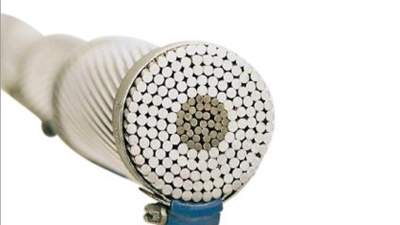
Exploring the advantages of AACSR aluminum alloy conductors reveals a significant alignment with the stringent DIN 48206 standards. These conductors, specifically designed with a galvanized steel core encased in concentrically stranded layers of Al-Mg-Si wires, offer enhanced performance and reliability in various applications. The combination of aluminum alloy and steel creates a unique balance of lightweight properties and excellent tensile strength, making AACSR the preferred choice for overhead transmission lines.
One of the key benefits of AACSR conductors is their exceptional resistance to corrosion and environmental factors. The galvanized steel core provides added durability, ensuring that the conductors remain functional and effective over time. Moreover, the Al-Mg-Si wires used in the construction of these conductors contribute to their superior electrical conductivity and flexibility, allowing for easier installation and maintenance. This is particularly beneficial in regions prone to harsh weather conditions, where conductor performance is critical.
In line with DIN 48206 standards, AACSR conductors not only meet but often exceed the requirements for electrical and mechanical performance. Their design facilitates optimal load distribution and minimizes sagging during operation, enhancing operational efficiency. As the demand for reliable energy transmission continues to grow, AACSR aluminum alloy conductors emerge as a robust solution, providing the industry with a blend of resilience and efficiency that is hard to match.
FAQS
Key parameters influencing performance include density, electrical conductivity, tensile strength, and the coefficient of linear thermal expansion, all of which affect efficiency and reliability in power transmission.
ACSR conductors like the Grosbeak have demonstrated the ability to maintain performance despite temperature changes, showing promising results in ampacity variation relating to differing thermal conditions.
Innovations include the development of high-capacity, lightweight conductors that improve conductivity and ease of installation, as well as the integration of smart technologies for real-time monitoring and energy management.
ACSR conductors facilitate the efficient transmission of electricity from renewable energy sources such as wind and solar farms due to their lightweight properties and high conductivity, improving transmission efficiency by up to 20%.
Key practices include selecting the appropriate conductor size based on load requirements and transmission distances, as well as employing proper installation techniques to enhance performance and lifespan.
The future likely includes advancements in materials and technology, such as incorporating composite materials, which will lead to lower weight and greater transmission capacities, supporting global energy targets.
By optimizing designs and reducing energy loss during transmission, ACSR conductors play an essential role in helping utilities meet the climate goals set for 2050 and contribute to a more sustainable energy infrastructure.