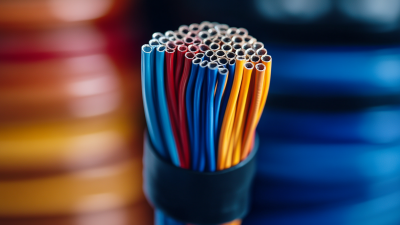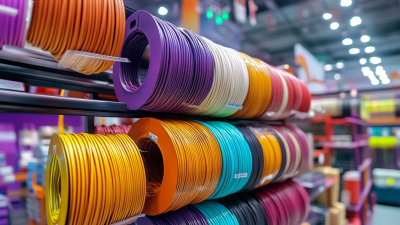
In today’s fast-changing world of electrical systems, it’s really important to get a good handle on the basics—things that keep your setup safe and dependable. One component that definitely catches the eye is the PVC Power Cable. It’s a pretty essential part of power distribution, offering not just toughness but also being budget-friendly across different uses.
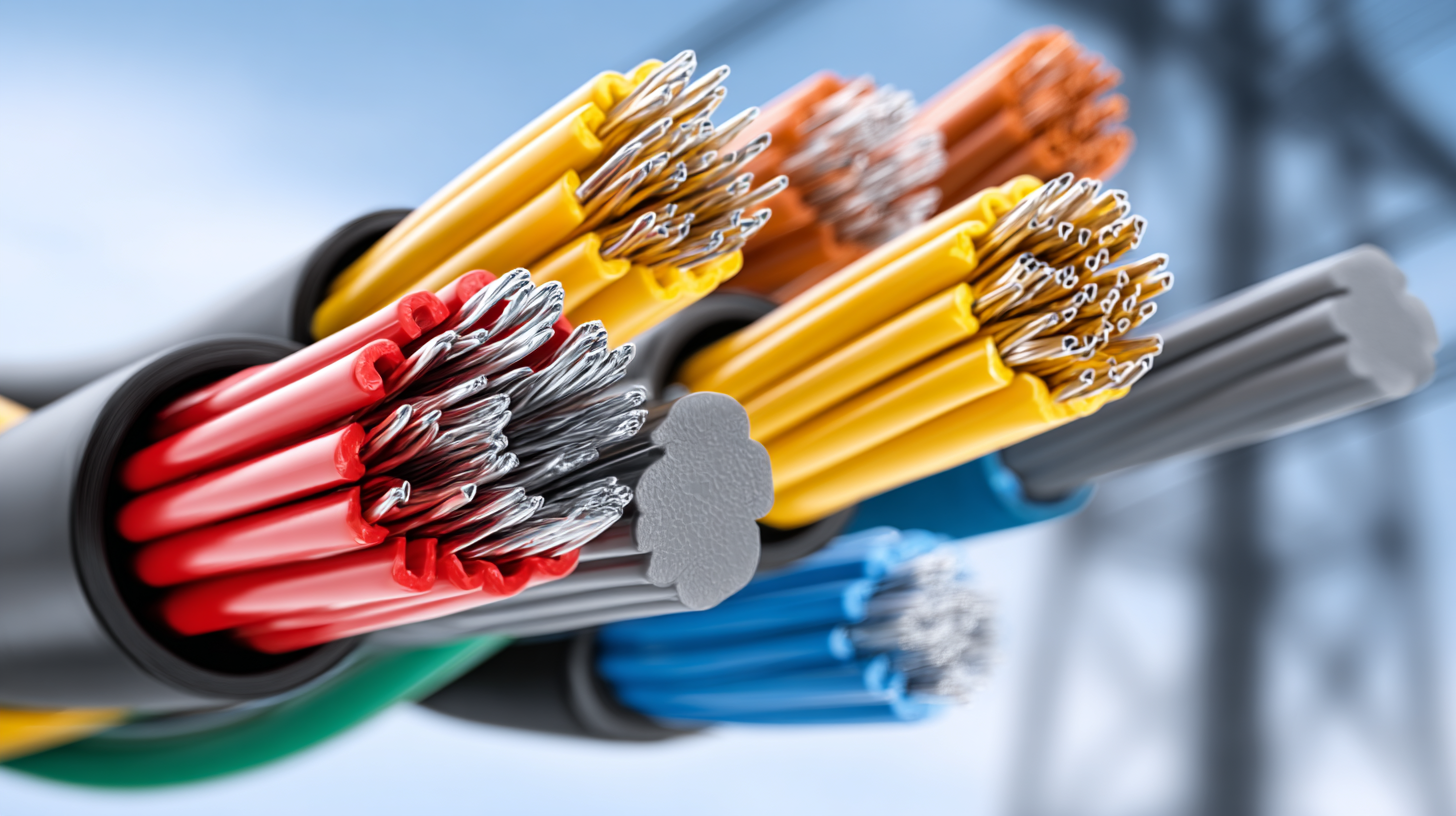
At HENAN TINDE POWER CO., LTD., we’re all about installing, researching, designing, and selling power equipment and wiring solutions. We take pride in making sure our PVC Power Cables hit high industry standards, so they’re a go-to choice for companies looking to get the most out of their electrical setups.
In this guide, we’ll break down five key reasons why choosing top-quality PVC Power Cables really matters for your electrical system—helping you make smarter choices that boost safety and efficiency.
When you're looking to keep your electrical setup reliable, picking the right power cables is pretty important. Honestly, PVC power cables really stand out because they’re super durable and tend to last a long time, even in tough environments. Unlike some other materials, PVC (that’s polyvinyl chloride) naturally resists moisture, chemicals, and UV rays. That makes it a top pick for anything exposed to water or extreme temperatures, helping your system stay stable and dependable for years to come.
In industries like construction or manufacturing, cables usually face some pretty rough conditions that can wear them out quickly. That’s where PVC cables come in—they have a tough outer insulation that can handle mechanical stress and resist damage over time. This means you don’t have to worry so much about replacing or repairing them often, saving you both money and hassle in the long run. So, if you want your electrical infrastructure to keep going strong, even under challenging conditions, choosing quality PVC power cables is a smart move. It just gives you that peace of mind knowing everything’s running smoothly, no matter what.
Whenever you're tackling big projects, keeping costs in check is a total must. That's where PVC power cables come into play — they’re pretty much the go-to because they’re affordable and durable at the same time. Plus, making these cables doesn’t cost a ton compared to other options, so you can save some cash upfront. And let’s not forget, PVC cables last a long time, which means fewer repair or replacement costs down the line — definitely a smart move if you're working with a tight budget.
To get the most bang for your buck, it helps to pick the right size and specs for your project — this way, you're not wasting materials and everything runs smoothly. Also, buying in bulk can really cut down expenses, so it's worth considering if you have a lot of cables to get through.
Investing in quality PVC cables isn’t just about saving money; it also bumps up your safety standards and keeps the infrastructure solid. Plus, making a habit of checking on and maintaining your cables can extend their lifespan and save you even more over time. In the end, smart choices and regular upkeep make all the difference — safer, cheaper, and way more reliable in the long run.
When you're dealing with electrical setups, the kind of power cable you choose really impacts how well everything runs. Lately, PVC (Polyvinyl Chloride) cables are getting a lot of buzz because they tend to conduct electricity better, which means they perform more efficiently. Basically, they allow electricity to flow with less resistance, so less energy gets wasted—saving you money in the long run. Whether you're running a business or just fixing up your home, using PVC cables can lead to lower energy bills and a more reliable power supply.
Plus, these cables are pretty versatile—they can handle high voltage situations, so they’re suitable for a wide range of uses, from residential wiring to heavy-duty industrial setups. They're also built tough, with good thermal stability, so they last longer and don’t need constant maintenance. In a nutshell, going with PVC power cables not only makes your electrical system more efficient but also offers a sustainable solution that’s ready to handle the energy needs of today’s world. It’s kind of a no-brainer once you realize how much they bring to the table.
When you're dealing with electrical setups, the kind of material you pick for power cables really matters—both for safety and making sure you're following the rules. PVC (that’s polyvinyl chloride) cables are pretty popular because they’re great at resisting fire, chemicals, and moisture. I read somewhere that, according to the National Fire Protection Association (NFPA), about 13% of home fires are caused by electrical failures. That’s a big reason why choosing the right cables is so important—they can help cut down on those risks. PVC cables don’t just meet safety standards; many of them go beyond that, with certifications from places like Underwriters Laboratories (UL), so you can trust they’ll perform well no matter the conditions.
Plus, these cables are tested for their environmental impact and safety, which is a big deal nowadays with stricter laws around electrical work worldwide. The International Electrotechnical Commission (IEC) points out that PVC cables tend to have lower emissions and toxicity over their entire life compared to materials like rubber or thermoplastic elastomers. So, not only are they safer and more reliable, but they’re also better for the planet in the long run. For contractors and engineers who want to play it safe and stay compliant, PVC really stands out as a top choice.
When you're thinking about the environmental impact of electrical setups, the materials you pick really matter. Take PVC power cables, for instance—they're known for being pretty tough and flexible, but what’s cool is they also have some eco-friendly perks that make them a solid choice if you’re aiming for sustainable design. I came across a report from the International Council on Electrical Engineering that said producing PVC cables actually leaves a smaller carbon footprint compared to some other options. That makes them pretty important if you’re trying to keep things green.
Plus, PVC is recyclable—big win for cutting down waste from cables you toss out. In fact, the Plastics Industry Association mentions that about 90% of PVC can actually be recycled, which helps keep things circulating in a more eco-friendly cycle. To go even further with sustainability, it’s a good idea to find PVC cables that don’t contain harmful additives. That way, they’re safer to dispose of and will last longer.
So, when you’re choosing PVC power cables, look out for ones that have eco-labels or come from companies that emphasize green manufacturing. That’s a good way to make sure you’re sticking to environmental standards and supporting the green economy. And don’t forget, proper disposal is key. Making sure you recycle those cables properly can really help protect our planet.
: PVC power cables are cost-effective due to their lower production costs, reduced initial investment, and long lifespan that translates to lower long-term maintenance costs.
To maximize cost-effectiveness, select the appropriate cable size and specifications for your project, and consider purchasing in bulk to achieve significant savings.
PVC cables are recognized for their excellent resistance to fire, chemicals, and moisture and meet or exceed stringent safety standards, including certifications under Underwriters Laboratories (UL) standards.
PVC power cables have a lower carbon footprint compared to alternative materials and are recyclable, which reduces waste from discarded cables and supports sustainability.
Compliance tests ensure that PVC cables meet environmental impact and safety standards, which is crucial as regulations around electrical installations become stricter globally.
When selecting PVC cables, look for products certified with eco-labels or sustainable manufacturing processes and ensure proper disposal methods to enhance recycling potential.
Investing in high-quality PVC cables enhances electrical infrastructure, conforms to safety standards, and reduces risks associated with cheaper alternatives.
Regular maintenance of PVC cables can prolong their lifespan and enhance their overall cost-effectiveness by preventing potential issues that may lead to higher costs.
PVC power cables contribute to sustainable electrical infrastructure by offering lower lifecycle emissions and toxicity compared to alternatives, supporting both compliance and eco-friendly practices.
Look for PVC cables that are certified by recognized organizations such as Underwriters Laboratories (UL) or compliant with international environmental standards to ensure safety and eco-friendliness.