In today's world, where energy efficiency and sustainability are more important than ever, choosing the right electrical cables is a pretty big deal when it comes to optimizing power systems. Lately, XLPE-insulated cables have really caught on—they're popular because they offer excellent insulation, stand up well against environmental challenges, and can handle high current loads without breaking a sweat. Industry trends show that the global demand for these cables is expected to grow a lot, which makes sense given the push for more efficient and safer power setups.
By the way, HENAN TINDE POWER CO., LTD., based in Zhengzhou, China, is quite the player in this field—they focus on installing and researching power equipment and cables, including those XLPE ones. Thanks to their cutting-edge design and top-notch materials, these cables not only boost power efficiency but also help cut down operational costs and make electrical installations safer overall.
Understanding XLPE Insulated Cables: Why They Matter for Power Efficiency
You know, XLPE (Cross-Linked Polyethylene) insulated cables are pretty much game-changers when it comes to making electrical systems more efficient. Unlike those older insulation types, XLPE brings better thermal properties and top-notch electrical performance. That means less energy gets lost when the power is transmitted—pretty cool, right? The cross-linking process also toughens up the material, so it can handle heat, moisture, and environmental stressors without breaking a sweat. That’s a big deal for reliability over the long run, especially in different kinds of applications.
One of the main reasons these XLPE cables are a big deal for energy efficiency is their ability to handle higher temperatures. This means they can carry more current without overheating, which keeps the system running smoothly and efficiently. Plus, they have lower dielectric losses—so less energy goes to waste as heat, helping save energy overall. By switching to XLPE-insulated cables in power grids and industries, companies can really cut down on operating costs. And with energy demands only climbing, adopting these kinds of solutions just makes sense if we wanna stay sustainable and smart about our resources.
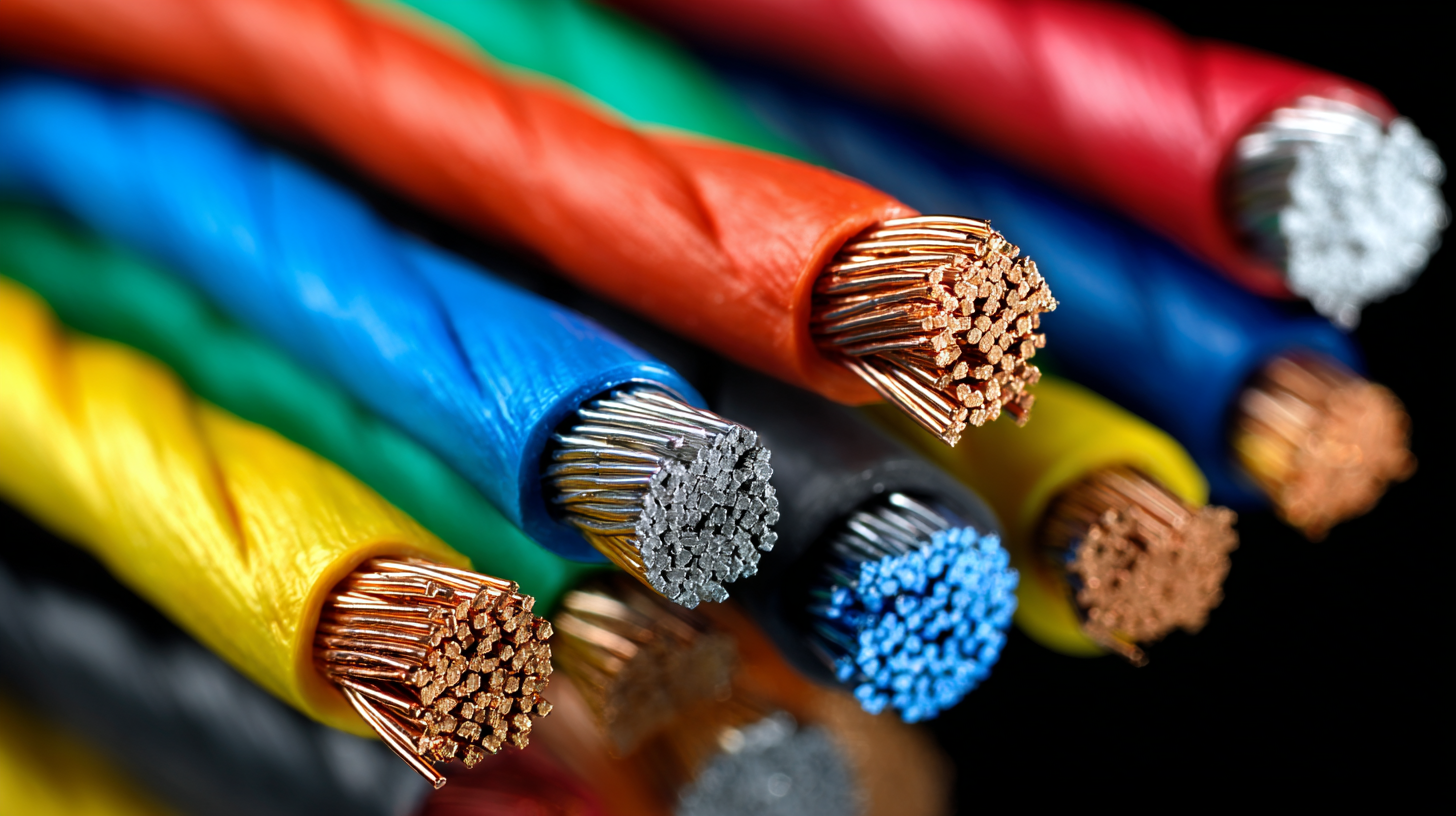
Key Features to Look for in XLPE Insulated Cables
When you're choosing XLPE insulated cables to boost power efficiency, there are a few key features you definitely want to pay attention to. First off, the thermal resistance of the insulation is super important. I read a report from the International Energy Agency (IEA) that explains XLPE can handle higher temperatures compared to the usual PVC wires. That means it's less likely to degrade when things heat up and tends to last longer — which is really a big deal, especially if you're dealing with heavy loads. So, not only does this make the performance better, but it also helps save money on maintenance down the line.
Another thing to keep in mind is the dielectric strength of XLPE cables. The Electrical Cable Association points out that XLPE’s dielectric strength is higher than a bunch of other insulating materials, meaning it’s less likely to fail under high-voltage stress. This is especially important in urban areas where space is tight, and cables are more prone to stress. Plus, with the world pushing for greener energy solutions, XLPE cables are gaining popularity because they lose less energy during transmission. That makes them a pretty smart choice if you're aiming for a more sustainable, energy-efficient infrastructure — totally in line with global efforts to cut down carbon emissions.
Top 5 XLPE Insulated Cables: A Comparative Review
When you're choosing the right cable to get better power efficiency, XLPE insulated cables are honestly one of the best options out there, whether you're working on industrial setups or commercial projects. People love these cables because they handle heat really well and have low energy losses, which makes them perfect for high-voltage systems. I read somewhere (a report from the International Electrotechnical Commission, actually) that XLPE cables can operate comfortably at temperatures up to 90°C. That’s a big deal when you compare them to traditional PVC-insulated cables, which usually run at lower temperatures and waste more energy.
If your goal is to make your electrical setup more efficient and save some bucks over time, going with top-quality XLPE cables can really pay off. When you're looking at different brands, make sure to check things like the voltage rating, how well they resist heat, and whether they can handle harsh environmental conditions. I looked into the top five XLPE cables, and honestly, brands like Prysmian and Nexans stand out—they not only meet international standards but actually go beyond in terms of performance.
Pro tip: Always, and I mean always, double-check the manufacturer’s specs to make sure the cable fits your particular needs. Also, think about where you’re installing it; if the environment is chemical-heavy or exposed to UV rays, picking cables with better chemical and UV resistance will save you headaches down the line.
Another tip: Working with a professional electrical engineer is a game changer. They can help you figure out exactly which cable is best for your project, making sure everything’s safe and running efficiently. And don’t forget, how you install the cables matters just as much as the cable itself—you want to do it right to make sure it lasts and performs well over time.
Installation Tips for Maximizing the Performance of XLPE Cables
When you're working to get the best performance out of XLPE insulated cables, doing the installation right really matters. First off, make sure the area is nice and clean—no debris lying around that could potentially damage the cables when you're laying them down. Before you even start, take a quick look at the cables to see if there are any signs of damage—better safe than sorry, right? And just be gentle with them—kinking or crushing the cables can mess up their insulation, and nobody wants that. Using the right tools and methods makes a big difference in how well everything holds up over time.
Oh, and don’t forget about bending! XLPE cables have specific bending rules, so try not to go beyond those limits. Bending them too much can cause insulation problems and hurt their performance down the line. When connecting everything up, make sure all the terminations are secure and, if needed, weatherproofed—trust me, a solid connection makes all the difference. Once everything's installed, doing routine checks will help catch any early issues before they turn into bigger problems. Following these simple tips not only boosts the performance of your XLPE cables but also makes them last longer, which means better power efficiency and peace of mind in the long run.
5 Best XLPE Insulated Cables for Enhanced Power Efficiency
| Cable Type |
Voltage Rating (kV) |
Conductor Material |
Ambient Temperature (°C) |
Applications |
| Single Core XLPE Cable |
1.1 kV |
Aluminum |
-10 to 90 |
Power Plants |
| Multi Core XLPE Cable |
1.1 kV |
Copper |
-10 to 70 |
Industrial Applications |
| Aerial Bundled XLPE Cable |
0.6/1 kV |
Aluminum |
-10 to 60 |
Urban Distribution |
| XLPE Underground Cable |
6/10 kV |
Copper |
-20 to 90 |
Cable Networks |
| XLPE Fire Resistant Cable |
1.1 kV |
Copper |
-10 to 70 |
High-rise Buildings |
Maintenance Best Practices for Long-Lasting XLPE Insulated Cables
These days, XLPE-insulated cables are pretty much everywhere, thanks to their amazing electrical and thermal properties. But if you want them to keep performing well and last long, it’s super important to stick to good maintenance habits. Regular check-ups can really help catch problems early—like hotspots or other issues—which is a big deal since failures in offshore wind farms can cause up to 80% of financial losses. That’s why having a proactive maintenance plan is so crucial to avoid those costly outages.
Here’s a handy tip: try doing thermal imaging scans from time to time. They’re non-invasive and can spot trouble spots in the insulation before they turn into big, expensive headaches.
Also, understanding how the cable insulation ages over time is key. Studies—like those based on the WOA-SVR model—show that environmental conditions, electrical stress, and physical wear all play a part in breaking down the insulation gradually. Using predictive maintenance techniques lets you keep an eye on the cables’ health, so you can make smarter decisions about repairs or replacements based on real data.
Another tip: keep a detailed record of environmental factors and cable performance. Over time, analyzing that info can reveal patterns that affect cable longevity, helping you plan maintenance better and avoid surprises down the line.
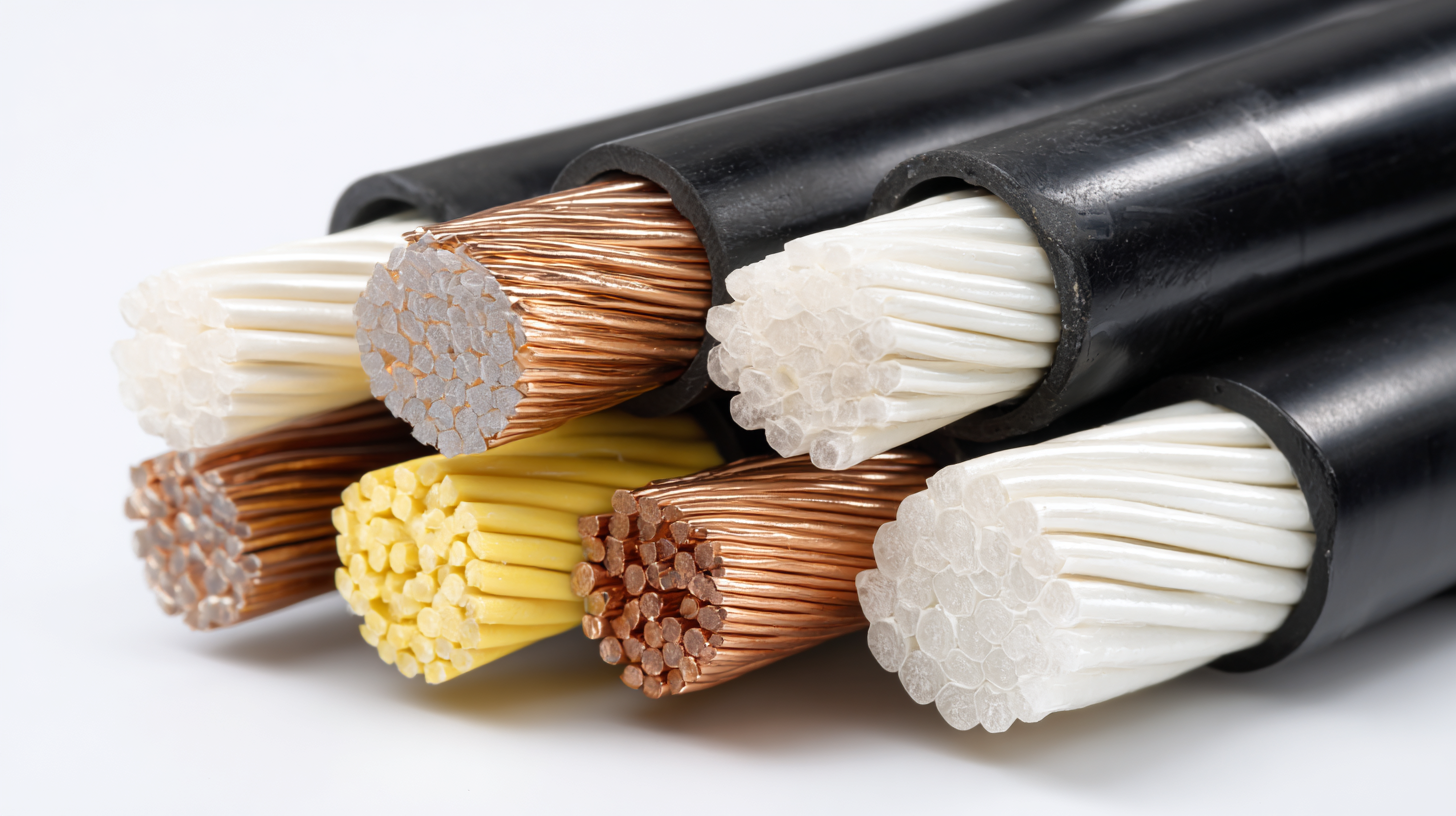
Cost-Benefit Analysis: Are XLPE Cables Worth the Investment?
So, when you're looking into electrical insulation options, XLPE cables really stand out — they’re known for being reliable and lasting a long time. You might wonder, are they really worth the extra bucks? Honestly, it’s all about weighing the costs and benefits. Sure, XLPE cables might cost more upfront compared to plain old PVC ones, but in the long run, they tend to save you money and headaches.
They’re more energy-efficient, meaning less power gets wasted, and they can handle higher temperatures, which keeps things running smoothly. Plus, they don’t get as easily damaged from environmental stuff like moisture or UV rays and tend to stick around longer. That means less time and money spent on repairs or replacements. And if you’re working on things that require higher voltages, XLPE cables are a perfect fit because of their capacity. Overall, deciding whether to go with XLPE really comes down to considering the total cost of ownership—sometimes, paying a little more upfront ends up saving you a lot later on, plus gives you better performance.
Maximizing Efficiency and Safety: The Benefits of ASTM Standard 15kV-XLPE Insulated MV Middle Voltage Power Cables
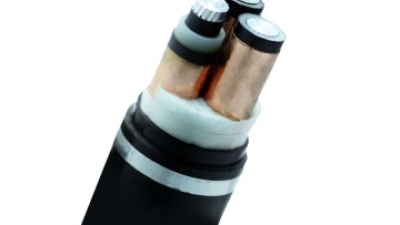
In the realm of medium voltage power distribution, the adoption of ASTM Standard 15kV-XLPE insulated cables represents a significant leap forward in maximizing efficiency and enhancing safety. The 15kV CU 133% TRXLPE Fully Neutral LLDPE cable is specifically designed to meet the demanding needs of primary underground power distribution, providing robust solutions for utilities and infrastructure. This cable's construction allows for versatility in installation, whether in direct burial, underground pipelines, or environments exposed to harsh sunlight.
The key feature of the ASTM 15kV-XLPE cables is their capability to function safely at voltages up to 15,000 volts, while ensuring that the conductor temperatures remain below 90°C during normal operation. This thermal stability not only enhances the durability of the cable but also drastically reduces the risk of power outages or failures in distribution systems. Given its suitability for both wet and dry locations, the TRXLPE insulation offers optimal protection against moisture and environmental factors, further solidifying its role as a cornerstone in modern electrical infrastructure.
Ultimately, by investing in ASTM Standard 15kV-XLPE insulated cables, organizations can achieve significant efficiencies in both installation and operation, all while prioritizing safety measures that protect both equipment and personnel. The innovative design and material characteristics of these cables make them an essential choice for any reliable power distribution network.
FAQS
: XLPE (Cross-Linked Polyethylene) insulated cables are electrical cables with insulation made from a thermally stable and durable material that enhances power efficiency by minimizing energy loss during transmission.
XLPE insulated cables are important because they can withstand higher operating temperatures, allowing for higher current-carrying capacity without overheating, which significantly reduces energy waste and operational costs.
XLPE cables offer superior thermal properties and lower dielectric losses compared to traditional insulation materials like PVC, resulting in better performance and longevity in high-load applications.
Key features include high thermal resistance, which improves longevity and reduces maintenance costs, and high dielectric strength, which lowers the risk of electrical failure under high-voltage conditions.
By integrating XLPE cables into energy systems, industries and utilities can achieve lower energy consumption and reduced operational costs, supporting sustainability and carbon reduction initiatives.
Yes, the high dielectric strength of XLPE cables makes them suitable for urban installations where space constraints and high-voltage conditions are prevalent.
The use of XLPE insulated cables can lead to substantial reductions in operational costs due to their enhanced durability, lower energy losses, and fewer maintenance needs.
XLPE cables are resistant to heat, moisture, and environmental stressors, which contributes to their long-term reliability in various applications.
As global energy demands rise, the ability of XLPE cables to provide efficient energy transfer with lower emissions makes them increasingly important for modern electrical infrastructure.
Adopting XLPE insulated cables supports energy efficiency goals, helping to meet the demands of modern power systems while promoting sustainability through reduced energy losses.
Conclusion
When you're looking to boost power efficiency, XLPE-insulated cables really stand out as a top pick. They’re known for their excellent electrical insulation and ability to handle heat, which is a big deal in many setups. It’s pretty important for anyone working with power systems to get why these cables matter — stuff like their flexibility, toughness, and resistance to moisture and chemicals can make a real difference in how well they work across different projects.
In our hands-on review of the top five XLPE cables out there, we dig into what makes each one special — their benefits, performance stats, and everything you need to know from a practical standpoint. We also share some tips on installing them properly and keeping them in good shape so they last longer. At the end of the day, we crunch the numbers to answer that burning question: are XLPE insulated cables worth the investment? For companies like HENAN TINDE POWER CO., LTD., which focus on power equipment and cable solutions, knowing the ins and outs of XLPE cables can really help deliver reliable, efficient power systems.