You know, as the world of electrical infrastructure keeps changing, picking the right Medium Voltage Power Cable is becoming super important for businesses. They really want to make sure they're getting the best performance while staying safe and compliant. A recent market report from Mordor Intelligence says that the global market for medium voltage cables is expected to see some significant growth, all thanks to increasing energy generation and distribution projects. HENAN TINDE POWER CO., LTD., based out of Zhengzhou in Henan province, is really leading the way in this crucial industry. We’ve got a solid background in installing power equipment, designing cables, and handling sales, which means we’re ready to cater to a variety of global procurement needs.
You see, getting a good grasp on the details of medium voltage cable specs and their applications can really make or break a project. That’s why having this ultimate checklist is such a must-have for anyone looking to tackle procurement challenges head-on.
Key Factors to Consider When Choosing Medium Voltage Power Cables
So, when you're picking out medium voltage power cables for your global procurement needs, there are a few really important things to keep in mind to make sure everything runs smoothly and meets regional standards. First off, you really need to get a handle on the specific voltage requirements. Cables are made for different voltage levels, and choosing the right kind will boost safety and reliability in your power distribution system — trust me, this part is key! And don’t forget to check that the cables comply with both international and local regulations. Sticking to these standards not only ensures quality but also makes the whole transportation and installation process way easier.
Then there's the whole deal with environmental conditions where the cables are going to be used. You’ll want to think about factors like temperature, humidity, and whether they'll be exposed to chemicals or UV light. These elements can seriously affect how long the cables last and how well they perform. Also, take a moment to evaluate the cable's insulation material — different types offer various levels of protection and flexibility, which can really impact installation and maintenance efforts. Honestly, paying close attention to these details can make a huge difference and will lead to a smoother procurement experience and a stronger power infrastructure overall.
Ultimate Checklist for Selecting the Best Medium Voltage Power Cable for Your Global Procurement Needs
| Criteria |
Description |
Importance Level |
| Voltage Rating |
Ensure the cable is rated for the required voltage levels. |
High |
| Conductor Material |
Copper or Aluminum options with considerations for conductivity and weight. |
Medium |
| Insulation Type |
Choose suitable insulation material based on environmental conditions. |
High |
| Temperature Rating |
Consider ambient temperature conditions for effective performance. |
Medium |
| Installation Environment |
Evaluate if the installation is indoor, outdoor, or underground. |
High |
| Cable Length |
Ascertain the required cable length for the installation. |
Medium |
| Compliance Standards |
Ensure the cable adheres to international standards and regulations. |
High |
| Flexibility & Maneuverability |
Consider the need for flexibility, especially in confined spaces. |
Medium |
| Fire Resistance |
Select cables with fire-resistant properties where necessary. |
High |
Essential Technical Specifications for Medium Voltage Cables
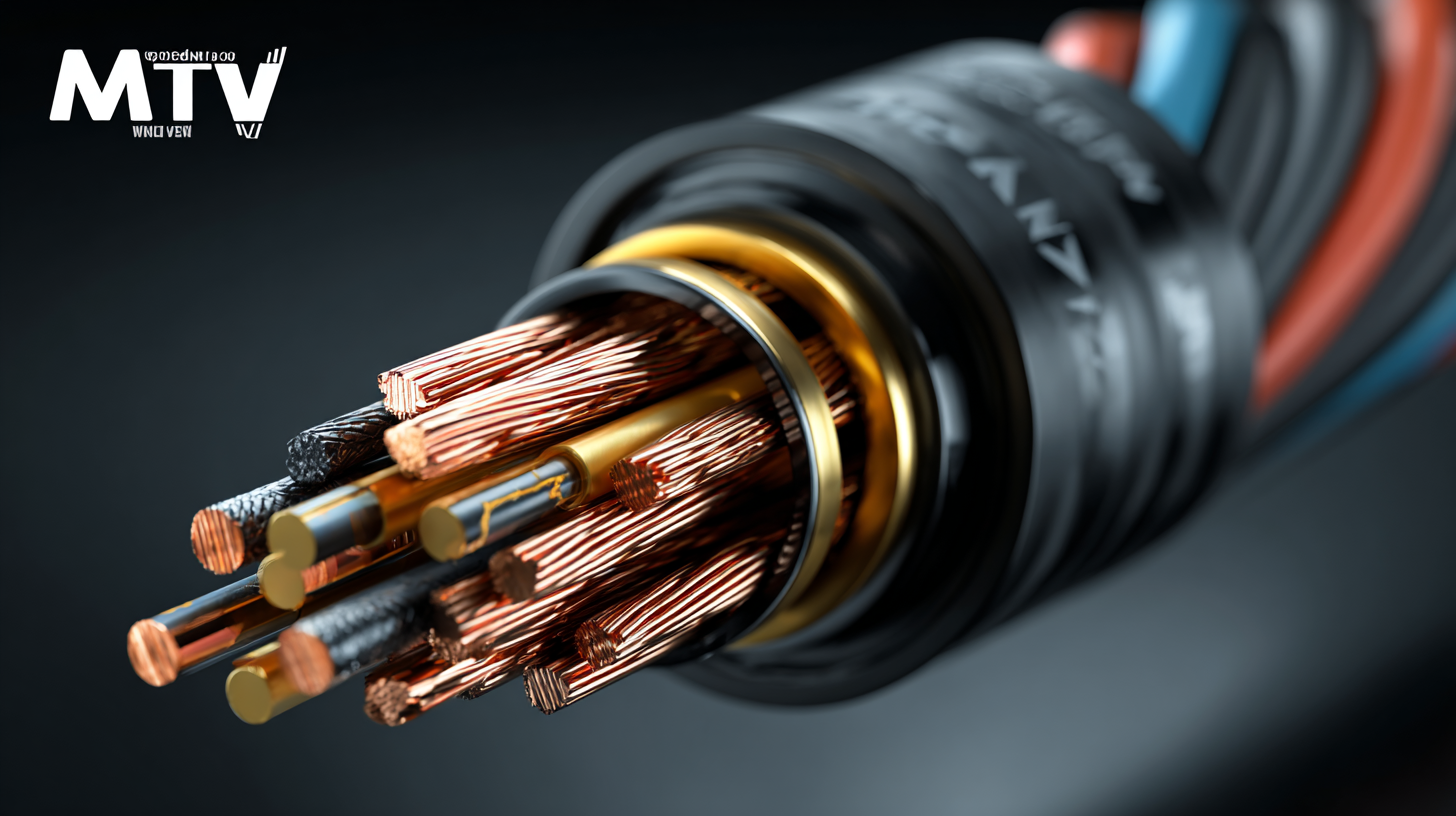
So, when you're diving into the world of medium voltage power cables for global procurement, it's super important to really grasp those key technical specs. The International Electrotechnical Commission (IEC) defines medium voltage cables as ones that usually work within a voltage range of 1 kV to 36 kV. You’ll want to keep an eye on a few crucial specs like the conductor material, insulation type, and the temperature rating. A lot of folks tend to prefer copper because it's got fantastic conductivity and flexibility. On the other hand, cross-linked polyethylene (XLPE) insulation is often the go-to choice due to its impressive dielectric strength and ability to withstand high temperatures—perfect for tough environments.
Plus, don’t forget about the cable’s capacitance—it plays a big role in power losses and voltage drops. Industry data has shown that if you don’t manage capacitance properly, you could be looking at energy losses of up to 5% over time, which can really hit your operational efficiency. And let’s not skip the mechanical strength and how the cable holds up against things like moisture and chemicals. By the way, a recent market analysis from Mordor Intelligence suggests that we can expect the medium voltage cable market to grow at a CAGR of about 5% from 2021 to 2026. This just underscores the rising demand for reliable, top-notch cable solutions across a variety of industries.
So bottom line? Making sure you follow these technical specs will not only boost performance but also keep you in line with global standards.
Evaluating Material and Construction Quality for Durability
So, when you're picking out medium voltage power cables for your global procurement needs, you really want to pay attention to the material and how well they're built. The truth is, the durability of these cables is heavily shaped by what they're made from. For instance, you can't go wrong with high-quality insulating materials like XLPE (that’s short for cross-linked polyethylene) since they help ensure the cables last longer and can handle all sorts of environmental challenges, like moisture, temperature swings, and exposure to chemicals. And let's not forget about the conductor material; whether you go with copper or aluminum can really affect how well the cable conducts electricity and performs overall. Choosing conductors that resist corrosion can give you that added peace of mind for long-term reliability, no matter where you’re using them.
And then there’s the construction part—it’s super important too! You’ve got all these factors to think about, like how the cable layers are designed, the shields that might be applied, and the type of jacketing used. Trust me, a well-structured cable with good shielding can really cut down on electromagnetic interference, which is a big deal if you want to protect sensitive electronic gear. Plus, sticking to industry standards and certifications will help you feel more confident about how the cables will perform in tough situations. By prioritizing material and construction quality, your procurement team can totally score medium voltage power cables that not only meet your current needs but also set you up for success in the future with resilience and efficiency.
Understanding Compliance Standards and Certifications for Global Markets
Choosing medium voltage power cables for global procurement? Well, it’s super important to have a solid grasp of the compliance standards and certifications. Every market has its own unique set of rules, and let me tell you, these can really make or break how well your product is accepted and performs. These standards are all about ensuring the cables are made consistently well and safe to use, so they can fit right into infrastructure around the world without a hitch. Plus, being compliant doesn’t just build up a manufacturer’s reputation; it also gives a nice boost to the confidence of consumers and stakeholders alike.
In today’s crazy world of global trade, following the standards is like having a bridge connecting local manufacturers with the international market. These rules, set by various public and private organizations, help you steer through the sometimes confusing waters of global procurement. Take the Verified Carbon Standard (VCS) program; it shows just how much environmental compliance can sway purchasing decisions. Suppliers who stick to well-known ESG (Environmental, Social, and Governance) guidelines really step up their game by showing they care about sustainability. As businesses start to align with these frameworks, it's something they’ve really got to consider in their procurement strategies. In the end, it’s all about setting themselves up for long-term success.
Cost-Effectiveness vs. Quality: Finding the Right Balance
So, when you’re looking to buy medium voltage power cables on a global scale, striking that right balance between quality and cost is super important. I mean, a lot of companies find themselves juggling a tricky mix of suppliers, tight budgets, and all those technical specs. And here’s the kicker: going for the cheapest option often ends up being a bad deal, leading to performance issues and unexpected costs down the line. Seriously, putting a little more into quality cables can really boost system reliability and chop down those maintenance costs, which means you'll actually save more in the long run.
To hit that sweet spot, it’s key to think about your specific needs and the environment where the cables are going to be used. There are so many factors—like voltage ratings, the types of insulation, and the installation conditions—that will help you figure out which cables are the right fit for your setup. Oh, and don’t forget to check out suppliers who throw in solid warranties and good support; that’s usually a sign that their products are reliable. If you focus on getting quality while keeping an eye on those costs, you’ll be able to snag the best medium voltage power cables that fit both your technical requirements and your budget.
Ultimate Checklist for Selecting the Best Medium Voltage Power Cable
This chart evaluates key dimensions in selecting medium voltage power cables, focusing on their cost-effectiveness, quality, durability, safety, and performance. A balance between these factors is essential for optimal global procurement decisions.
Supplier Evaluation: What to Look for in a Reliable Manufacturer
Choosing the right medium voltage power cable for your global procurement can be a bit of a maze, right? One really important piece of the puzzle is evaluating your suppliers, and let's be honest, getting this step right can really make or break your project. A big thing to keep in mind is how experienced and reputable the manufacturer is in the industry. Ideally, you want suppliers who have a solid track record for delivering top-notch cables that meet those international standards we all hear about. It’s a good idea to check out their certifications and past projects to really get a feel for how well they can meet the unique needs of your project.
Another crucial thing to look at is the quality control processes they have at their manufacturing facilities. You’d want to work with reliable manufacturers who take quality seriously – think stringent quality checks to make sure their products are spot on with the specs and safety standards. This usually means they’re regularly testing raw materials and finished goods, and are compliant with global regulations. Plus, don’t underestimate the importance of the support and service a supplier can offer. A manufacturer who’s quick to help out and provides solid technical assistance and after-sales support can really make your life easier when issues come up during installation and operation.
Additionally, consider the availability of various cable types that suit your project’s requirements. Suppliers that offer a wide range of types and sizes enable you to choose precisely what you need without settling for less. Always keep your project’s specific demands in mind, and don’t hesitate to ask suppliers about their capabilities in fulfilling your specific requirements.
Unlocking Efficient Power Distribution: A Deep Dive into the NFC33-209 Standard Low Voltage ABC Aerial Bundled Cable
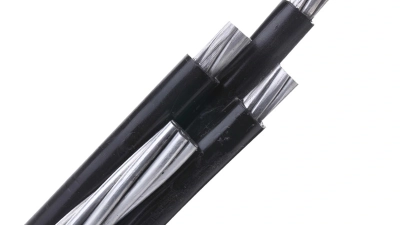
Aerial Bundle Cable (ABC Cable) represents a significant advancement in overhead power distribution systems, particularly when compared to traditional bare conductor setups. The focus of the NFC33-209 standard for low-voltage applications emphasizes the importance of safety and reliability in power distribution. By bundling several insulated conductors together, ABC cables minimize the risk of electrical hazards while also enhancing the overall efficiency of the distribution network. This innovative design not only provides added protection against environmental elements but also addresses concerns related to electrical interference.
One of the most notable advantages of ABC cables is their reduction in power losses, which translates to improved energy efficiency. The tightly bundled conductors lower the likelihood of energy dissipation, ultimately optimizing system performance. Additionally, the installation and maintenance costs are greatly reduced due to the simplified setup and fewer components required for operation. With the NFC33-209 standard guiding their implementation, ABC cables are setting a new benchmark for economical and efficient power distribution, shaping the future of energy delivery systems.
FAQS
: Medium voltage cables typically operate at voltages ranging from 1 kV to 36 kV.
Copper is often preferred for its superior conductivity and flexibility, while aluminum can also be used in some applications.
Cross-linked polyethylene (XLPE) insulation is favored for its high dielectric strength and thermal resistance, making it suitable for harsh environments.
The cable's capacitance influences power losses and voltage drop, with improper capacitance management potentially leading to energy losses of up to 5% over time.
It's vital to assess the cable's mechanical strength and resistance to environmental factors, including moisture and chemical exposure, to ensure durability.
High-quality insulating materials, conductor material, construction techniques, and adherence to industry standards are critical for ensuring durability and performance.
Supplier evaluation affects project success by considering the manufacturer's experience, reputation, quality control processes, and the level of support provided.
Adherence to industry standards and certifications provides confidence in the cable's performance and ensures compliance with safety and quality requirements.
The medium voltage cable market is expected to grow at a CAGR of around 5% between 2021 and 2026, driven by the increasing demand for high-quality and reliable cable solutions.
The design of the cable’s layers, the application of shields, and the type of jacketing are critical factors that influence durability and protection against electromagnetic interference.