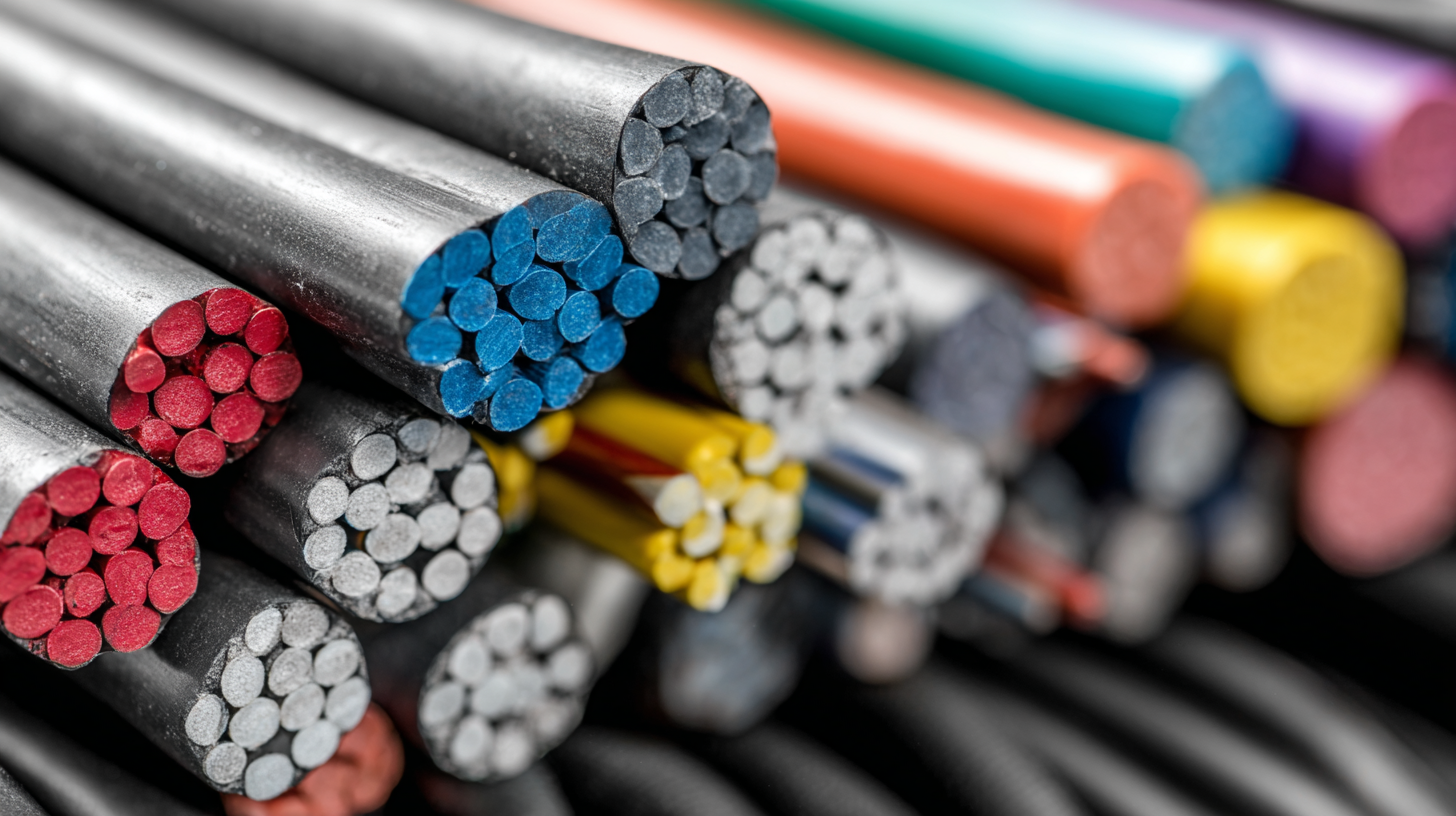
In the fast-changing world of electrical work, choosing the right components for your projects isn’t just important — it’s essential for keeping everything running smoothly and safely. One key component you’ll often hear about is the PVC Single Core Cable. It’s pretty much a go-to because of how versatile and dependable it is. industry reports actually say that demand for these cables is expected to take a pretty big leap, thanks to more infrastructure projects and the surge in electrical installs around the world. At HENAN TINDE POWER CO., LTD., we take pride in offering top-notch wires and cables, including PVC Single Core Cables that meet strict standards for performance and safety. We’re all about research, design, and making sure our products work perfectly in the field — that’s what makes us a trusted partner in your electrical projects. If you get a good handle on what to look for when picking a PVC Single Core Cable, you’ll help make your systems last longer and stay more reliable for the long haul.
Understanding PVC Single Core Cable Specifications for Electrical Projects
When you're choosing PVC single core cables for your electrical projects, it's super important to really understand the specs. PVC, or polyvinyl chloride, cables are popular because they insulate so well and are pretty versatile for all sorts of applications. According to the IEC, the current-carrying capacity of these cables can vary quite a bit—usually between about 10 to 20 amps per square millimeter—depending on how and where they’re installed, as well as the surrounding temperature.
Another thing you’ve got to check out is the voltage rating. Most PVC single core cables are built for low-voltage stuff, typically up to 450/750 volts. That makes them a solid choice for both homes and small commercial setups. Interestingly, the International Energy Agency reports that the demand for PVC cables is expected to grow roughly 5% annually, whether in developing or developed regions. So, making sure your cables meet the right standards is more important than ever.
And don’t forget about environmental resistance. PVC cables are often rated for specific conditions—say, fire resistance or low smoke emissions—especially in commercial buildings where safety is a big deal. Research shows that choosing high-quality PVC materials not only boosts how long the cables last but also improves their overall performance—which is crucial for keeping costs down and ensuring your project’s durability over time.
Evaluating Electrical Load Requirements: Choosing the Right Cable Size
So, when you're starting an electrical project, one of the first things you really want to figure out is how much load you're gonna be pulling. Basically, you need to understand the total current your setup's gonna draw—this is super important for picking the right size of PVC single core cable. Usually, that means adding up the wattage of all your devices that will hook into the circuit. Once you've got that total wattage, just divide it by the system voltage, and you'll get the amperage you need. Doing this step right is key because it helps you avoid overheating those wires or, worse, risking a fire.
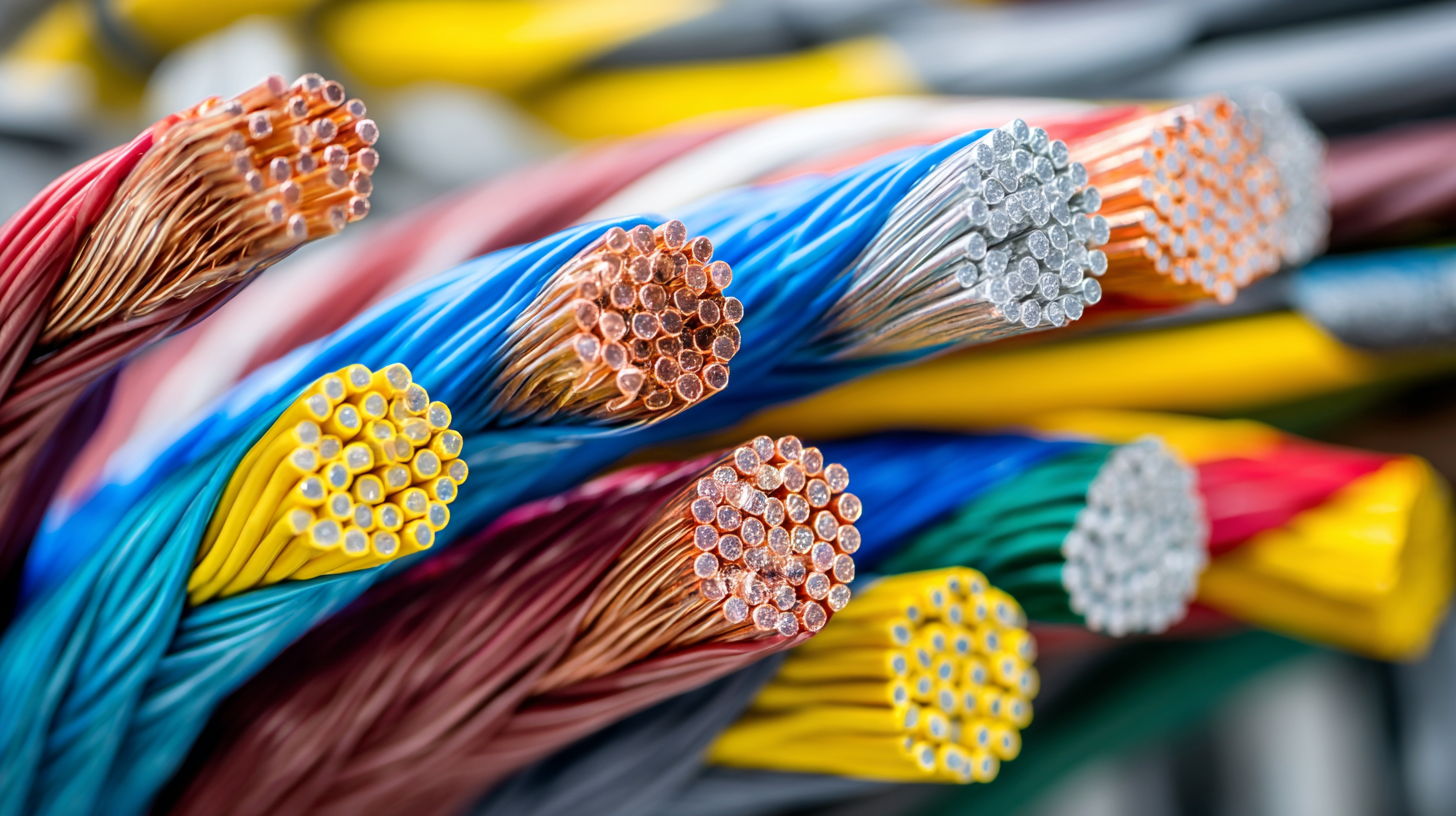
After you know the amperage, choosing the right cable size becomes pretty straightforward. Cables come in all sorts of sizes, rated for different current capacities. It’s a good idea to check out the relevant tables and guidelines specific to your cable type and project. Keep in mind that things like temperature and how you install the cable can mess with its performance, so those things matter too. In short, by really getting a handle on your electrical load and picking the correct-sized cable, you're making sure everything’s safe, efficient, and just works smoothly without any surprises.
Assessing Installation Environment: Factors Affecting Cable Performance
When you're choosing the right PVC single core cable for your electrical projects, it's super important to think about where you’re actually going to install it. Things like temperature, humidity, and exposure to chemicals can really impact how well the cable performs over time. For instance, cables put in hot environments tend to wear out faster—those insulation materials can start to break down more quickly compared to cooler spots. And if it’s a humid place, moisture can sneak in, which isn’t great because it can cause short circuits or even damage your equipment.
**Here’s a quick tip:** Always double-check the cable’s temperature rating and see if it fits the specific conditions of your setup. Like, if you’re installing cables outdoors, make sure they’re UV-resistant—that way, sunlight won’t just ruin them after a while.
Now, don’t forget about the installation surface either. Running cables through conduits or burying them underground means they’re facing different challenges than ones installed in open air. Studies show that cables exposed to aggressive chemicals can have their lifespan cut in half—yikes.
**Pro tip:** Consider using corrosion-resistant materials or adding protective coatings to give those cables an extra boost of durability. When you’re unsure, it’s always a good idea to check the manufacturer’s guidelines—that way, you pick the right cable that can handle your environment without any surprises.
Comparing Different Manufacturers: Ensuring Quality and Reliability
When you're out shopping for the best PVC single core cable for your project, it’s really important to compare different brands and manufacturers. Trust me, not all cables are created equal. According to a report from the International Electrotechnical Commission (IEC), the safety standards that manufacturers follow can really vary a lot. The smart move is to go with a supplier who makes sure their cables meet—or even beat—IEC 60228 standards, which basically set the performance bar for electrical conductors. Picking cables from reputable brands that stick to these standards will help you get better safety, and your project will last way longer.
Oh, and don’t forget about the quality of the PVC insulation itself — it’s a big deal. I read a study by the IEEE that showed higher-quality insulation in cables can slash failure rates by almost a third compared to cheaper, lower-quality options. Top-tier manufacturers often invest a lot in testing and quality checks, which is why their products tend to have less than a 1% defect rate. That means they can handle tough environments and keep running smoothly over time. So, honestly, doing a bit of research on who makes your cables and making sure they follow strict standards can make all the difference in getting the right PVC single core cable for what you need.
Comparison of PVC Single Core Cable Characteristics
Budget Considerations: Balancing Cost and Value in Cable Selection
When you're picking out PVC single core cables for any electrical project, your budget really matters, right? It’s all about finding that sweet spot between saving money and getting good value. I get it—that temptation to just grab the cheapest cable out there is real. But honestly, it’s worth thinking about what you might be giving up on quality and safety if you go that route. Sure, those top-tier cables might cost more upfront, but they tend to last longer and need less maintenance over time. In the end, that can save you a bunch of cash and headaches down the line.
Also, it helps a lot to really understand what your project needs. Think about where the cable will be used, what kind of environment it’s going into, and any rules or standards you need to follow. Sometimes, picking a more expensive cable that ticks all the boxes might seem like a splurge, but it’s usually a smart move—you avoid costly fixes and replacements later on. Keep an eye out for reputable brands that balance affordability with reliability. That way, you can breathe easier knowing you’re choosing wisely without busting your budget.
Safety Standards and Regulations: Compliance for Your Electrical Projects
When you're picking out PVC single core cables for your electrical projects, it's super important to follow safety standards and regulations. Sticking to both local and international rules not only keeps things safe but also makes sure your setup runs smoothly. It’s a good idea to do a bit of homework on the specific regulations in your area—stuff like the National Electrical Code (NEC) in the US covers all the key wiring requirements. Making sure your cables meet these standards can really help dodge potential problems like fires or damaging your equipment.
Oh, and don’t forget to think about the temperature ratings and the environment where the cable’s gonna be installed. Different cables are built to handle different conditions—whether it’s indoors or outdoors—so choosing the right one that can handle your specific environment is definitely worth it.
**Tip:** When you're unsure, it’s never a bad idea to chat with a licensed electrician. They can help ensure you’re picking a cable that ticks all the boxes in terms of regulations. Also, always double-check if the cable is certified by trusted organizations like UL or IEC—that’s a good sign it’s safe and of decent quality. And hey, keeping yourself updated on safety guidelines from time to time can save you a lot of hassle later on. Being proactive really pays off and helps make sure your electrical setup is both safe and compliant.
How to Choose the Best PVC Single Core Cable for Your Electrical Projects - Safety Standards and Regulations: Compliance for Your Electrical Projects
| Dimension |
Value |
| Cable Type |
PVC Single Core |
| Conductor Material |
Copper |
| Insulation Material |
PVC |
| Standard Compliance |
IEC 60227 |
| Temperature Rating |
-15°C to +70°C |
| Cross-Sectional Area |
1.5 mm² |
| Voltage Rating |
450/750V |
| Application |
Indoor Wiring |
| Fire Resistance |
Low Smoke Zero Halogen (LSZH) option available |
| Lifetime |
Up to 30 years with proper installation |
FAQS
: Factors such as temperature, humidity, exposure to chemicals, and installation surfaces significantly influence cable performance. High temperatures can lead to faster degradation, while high humidity can cause moisture infiltration, risking short circuits.
It's essential to ensure that the cable's temperature rating meets the specific conditions of the installation site, as cables installed in high-temperature areas may lose integrity more quickly.
Cables in aggressive chemical environments can have their lifespan reduced by up to 50%, while cables laid in conduits or underground may face different pressures than those in open air.
It's crucial to assess whether manufacturers adhere to safety standards like the IEC 60228, as this can greatly impact the quality and reliability of the cables.
Higher quality PVC insulation results in lower failure rates, sometimes by up to 30%, compared to lower-quality alternatives. Top manufacturers often invest in rigorous testing, leading to fewer defects.
Evaluate the balance between cost and value; while cheaper options may save money initially, higher-quality cables can save on long-term durability and maintenance costs.
Always consult manufacturer guidelines and consider using corrosion-resistant materials or protective coatings if the installation environment is aggressive.
Reputable manufacturers not only ensure adherence to safety and quality standards but also offer products that can withstand harsh environments, thus enhancing project safety and longevity.
Conclusion
Picking the right PVC Single Core Cable for your electrical projects really isn’t something to take lightly. It’s super important for keeping things safe and running smoothly. So, let’s start with the basics—knowing the specs of these cables and understanding how they support different electrical loads. When you figure out what load your project needs to handle, it gets a lot easier to pick the right size of cable that fits just right. Oh, and don’t forget to think about where you’re installing it—things like temperature and exposure to the elements can actually make a big difference in how well the cable works over time.
On top of that, comparing products from different manufacturers is a smart move. You wanna make sure you’re getting something that’s reliable and up to standard—no shortcuts there, especially for long-term peace of mind. Budget-wise, it’s all about finding that sweet spot—getting good quality without breaking the bank. And, of course, sticking to safety standards and regulations is a must. That way, you’re playing it safe and making sure your project is legit.
At HENAN TINDE POWER CO., LTD., we’re all about providing top-quality cables and gear, so you can go ahead and handle your electrical projects with confidence. We’ve got your back every step of the way!