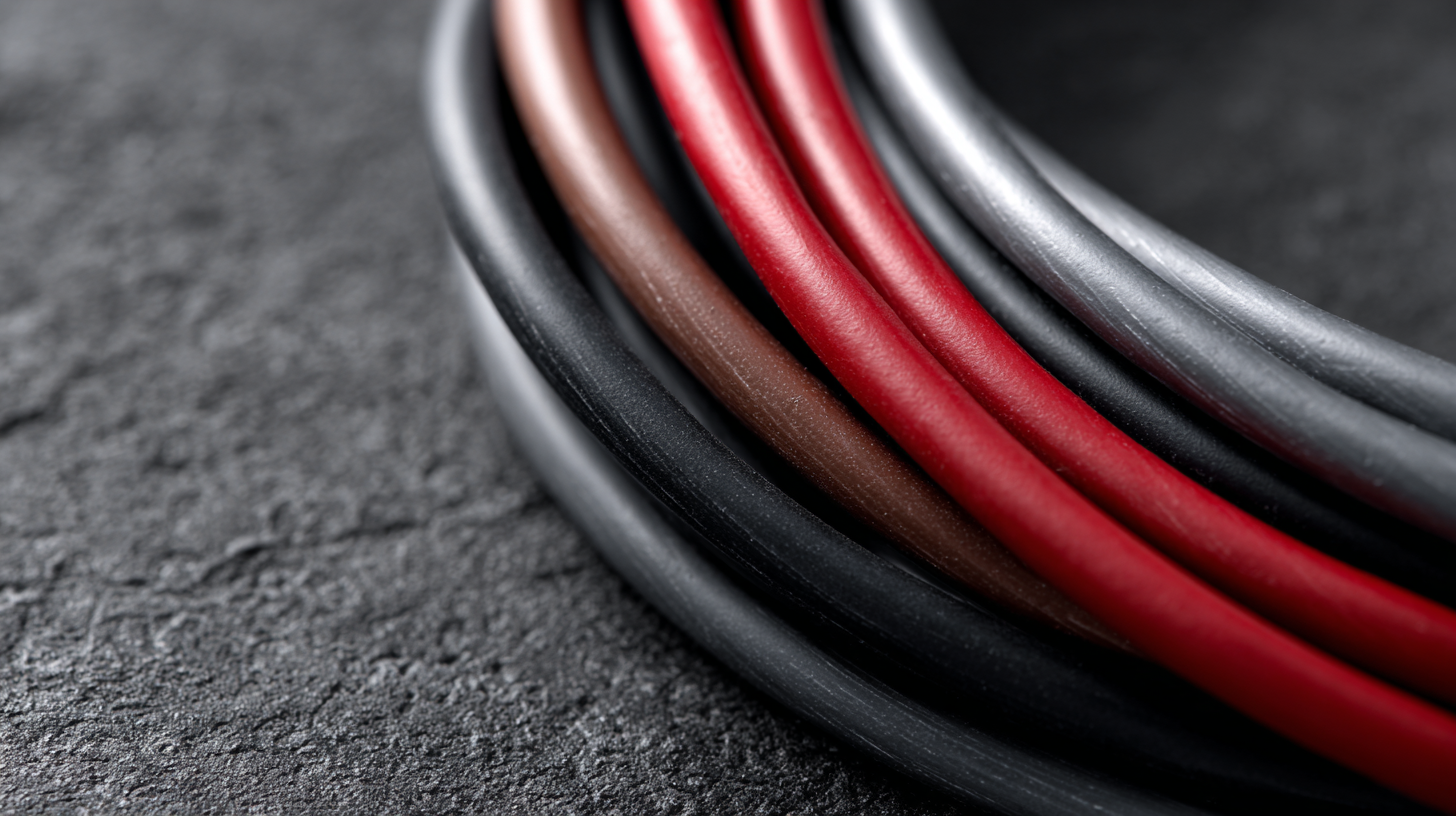
Picking the right ABC cable really matters if you want your electrical setup to perform well across different applications. Knowing what factors to consider when making your choice can actually make a big difference in how reliable and efficient your system ends up being. At HENAN TINDE POWER CO., LTD., we totally get that high-quality materials and smart design are key when it comes to installing power equipment. That’s why we’re dedicated to offering solutions that stick to industry standards.
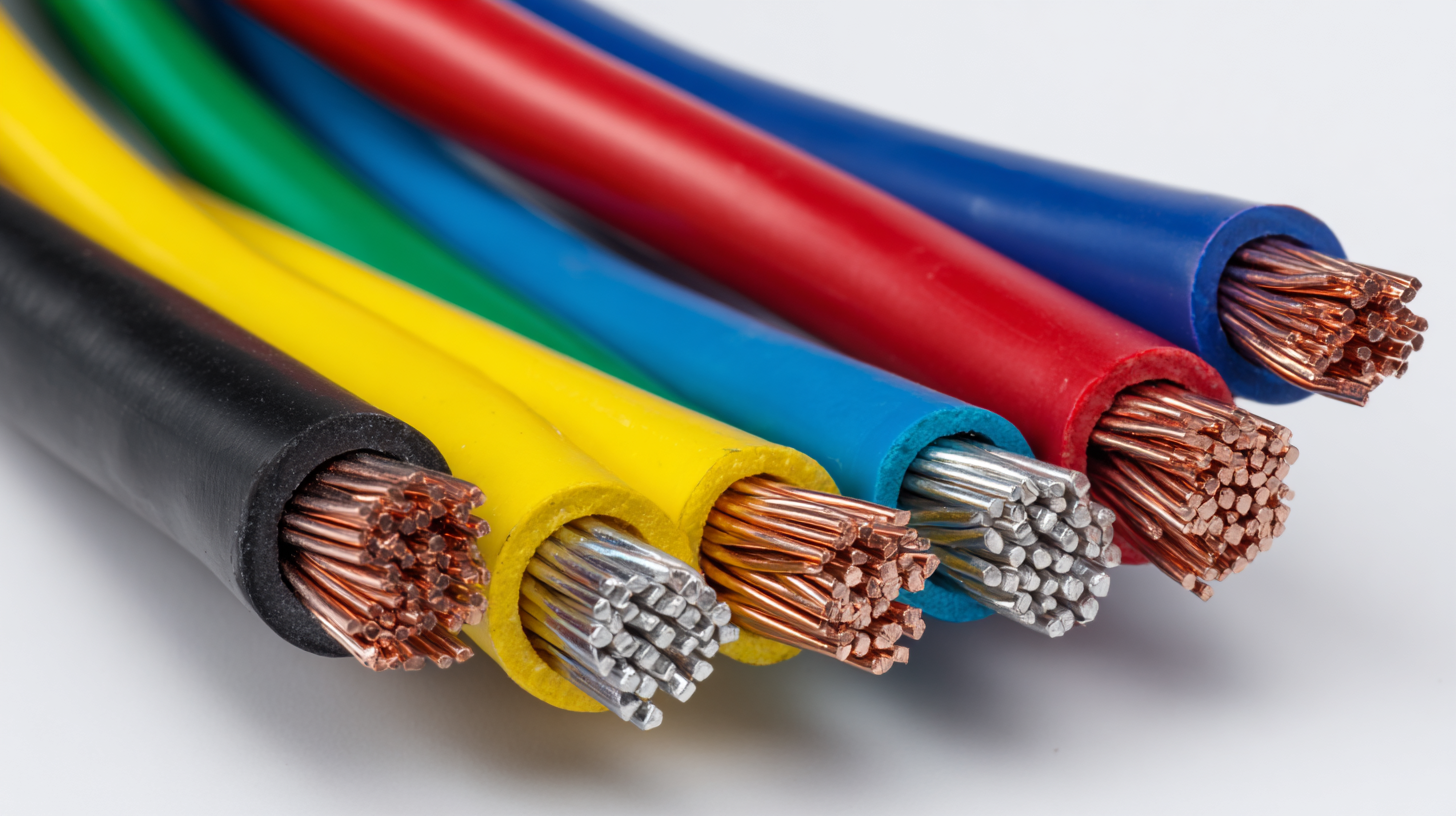
With our deep expertise in wires, cables, accessories, and power equipment research, we’ve become a trusted partner for anyone looking to boost their electrical systems. Whether you're part of the ABC Cable Group or working as an independent contractor, choosing the right ABC cable is crucial for keeping electricity flowing smoothly and avoiding unnecessary issues down the line.
In this guide, we’ll walk you through the main things you should consider to pick the perfect ABC cable—so your projects perform at their best and last longer.
Factors to Consider When Selecting ABC Cable Types for Different Applications
When you're choosing ABC cable types for different projects, there's actually quite a bit to consider to make sure everything runs smoothly. One of the first things you should think about is where the cable is going to be installed. For example, if you're planning to use the cable outdoors, you’ll want to pick one that's resistant to UV rays, moisture, and extreme temperatures—that way, it stays reliable and lasts longer.
Another thing to keep in mind is the kind of load the cable will need to handle. ABC cables come in all sorts of sizes and capacities, so matching the right cable to your electrical needs is pretty important for getting the best performance. And don’t forget to double-check that the cables you're considering meet the local regulations and safety standards—that’s key for peace of mind.
A couple of tips: Always check if the cable is compatible with your renewable energy setup. If you're working with solar or wind power, go for cables that can handle those variable loads without a hitch. And if you're unsure about any of this, it’s often a good idea to talk to industry folks or experts—they can help make sure you're choosing the right cables for your specific project and make everything run more smoothly overall.
Impact of Temperature Ratings on ABC Cable Performance in Varied Environments
When you're choosing Aerial Bundled Cables (or ABCs for short), it's really important to keep an eye on the temperature ratings. Why? Well, according to a report from the International Electrotechnical Commission (IEC), hot environments can actually wear down the insulation on your cables over time, which could lead to failures down the line. For example, cables that are rated to handle higher temperatures—like up to 90°C—tend to perform better in really hot places, say, tropical regions. On the flip side, cables that aren’t rated for such heat might not last as long and could even be more prone to insulation problems.
Quick tip: Before you install, always double-check the temperature ratings of your ABC cables. Picking the right ones for the environment not only makes your setup more reliable but can also help your equipment last longer.
Oh, and don’t forget, temperatures can swing quite a bit over the year. A study by the National Institute of Standards and Technology (NIST) found that these big temperature swings can really affect the physical properties of your cables. If they’re not designed to handle the heat or cold, they can expand and contract, which puts stress on them—think of it like a rubber band stretching and shrinking. Over time, that can lead to damage or even complete failure.
My advice? Take a good look at the climate in your area when picking out cables. Making sure they’re suited for those temperature fluctuations can save you a lot of headaches, like costly repairs or downtime later on.
Understanding Conductor Sizes and Ratios for Efficient Electrical Transmission
When you're choosing the right ABC (Aerial Bundled Cable) for your electrical setup, getting a good handle on the conductor sizes and how they relate to each other is pretty important.
Basically, picking the right conductor size makes a big difference in how efficiently your electricity flows—bigger conductors tend to reduce resistance and cut down on energy losses. But it’s not just about size;
each option strikes a balance between how strong the cable is mechanically and how well it conducts electricity.
This is especially key when you're dealing with long distances. Also, the way the conductors are arranged inside the cable really affects its electromagnetic properties,
which in turn impacts how safely and effectively it can handle high loads.
At HENAN TINDE POWER CO., LTD., we totally understand how crucial these factors are.
With years of experience in installing power equipment and working with cable accessories, we’re able to give our clients advice that’s tailored just for their specific needs.
By zeroing in on the best conductor sizes and configurations, we make sure our products don’t just meet industry standards—they actually help boost the reliability and efficiency of your electrical systems.
As a trusted partner in power equipment research, design, and sales, we're genuinely committed to helping make electrical transmission smoother and more effective across all kinds of applications.
Evaluating Insulation Materials for Enhanced Durability and Performance of ABC Cables
When you're picking out Aerial Bundled Cables (or ABCs), one of the big things to think about is the insulation material. It might seem like a small detail, but insulation really acts as the first line of defense against weather and other environmental stuff—kind of like the cable’s armor. Usually, you'll find options like PVC, XLPE, and EPR, and each has its own perks. For instance, PVC is pretty good at resisting moisture and chemicals, so it's a solid choice for outdoor setups. On the flip side, XLPE has better heat resistance and tougher mechanical strength—perfect if you’re dealing with high temperatures or rough weather conditions.
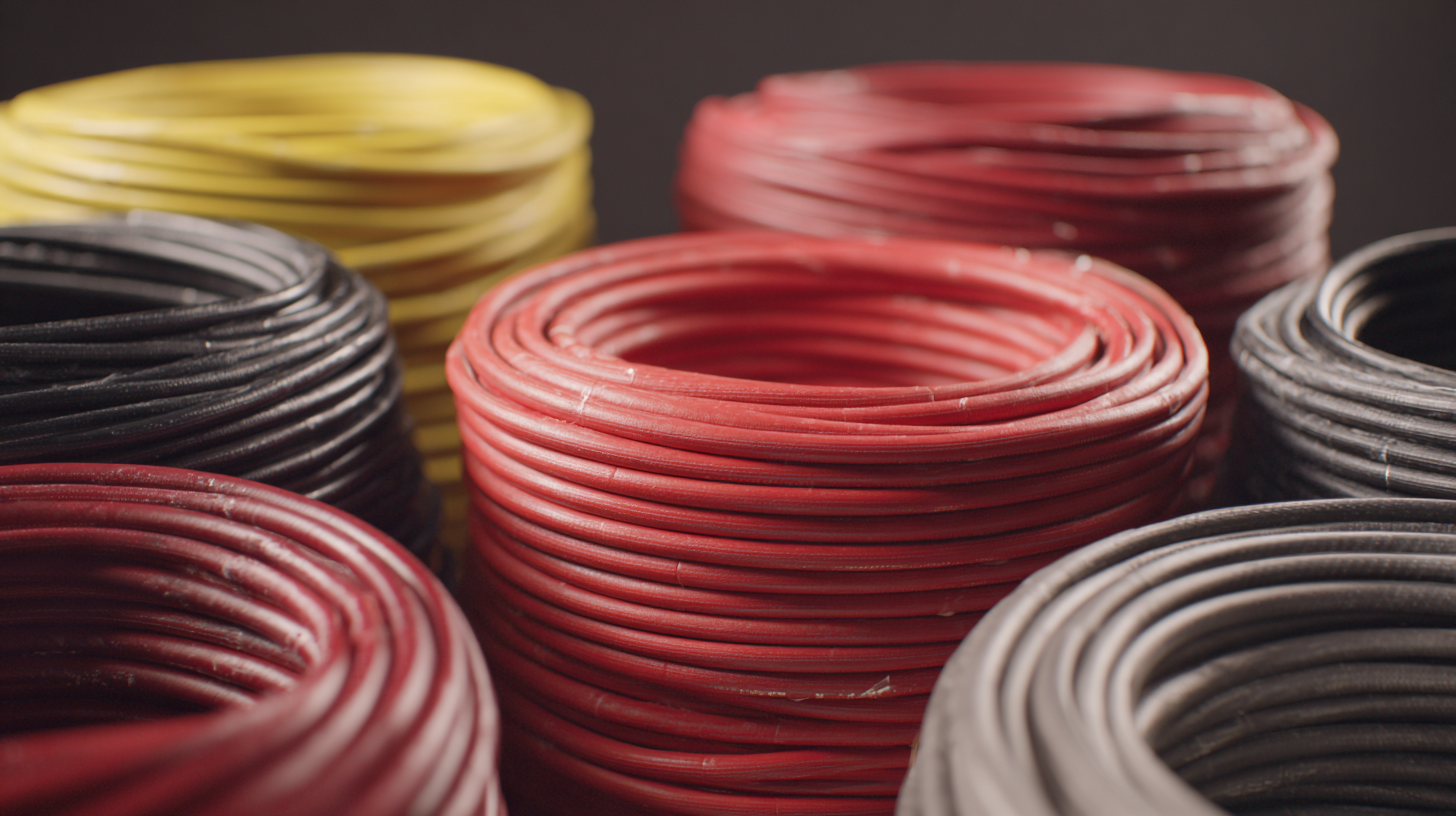
Another thing to consider is how that insulation actually impacts the cable’s overall performance. The more durable the insulation, the less you'll have to worry about maintenance or unexpected failures. It’s really important to assess not just how the material performs under normal conditions, but also how well it holds up against UV rays, temperature swings, or physical impacts. When you give some thought to these insulation qualities, you're more likely to end up with an ABC installation that works smoothly, stays safe, and doesn’t give you headaches down the line.
Assessment of Voltage Ratings in ABC Cables for Safety and Efficiency Standards
When you're choosing the right Aerial Bundled Cable (or ABC for short), it’s really important to understand the voltage ratings. This isn’t just some technical detail—it’s key to making sure everything’s safe and up to snuff with the right standards. Basically, ABC cables come in different voltage levels—low, medium, and high—and picking the right one can make a big difference in how well they work in power distribution setups. Industry folks say that if you don’t match the cable’s voltage rating with what your electrical network needs, you risk insulation breakdown or even worse, operational safety hazards. For example, low voltage ABC cables usually go up to 1 kV, while medium voltage ones can handle anywhere from 1 kV up to 36 kV.
At HENAN TINDE POWER CO., LTD., we take pride in offering high-quality ABC cables that meet strict safety standards and perform reliably. Our cables aren’t just compliant with local rules—they also meet international benchmarks, so you can trust them to keep your power distribution running smoothly. Recent studies show that using the correct voltage-rated cable can boost energy efficiency by as much as 15%, which adds up to significant savings in the long run. If you invest in the right ABC cables with appropriate voltage ratings, you're not just playing it safe—you’re also making your electrical systems more efficient and reducing the chance of outages or damage down the road.
Comparative Analysis of ABC Cable Costs Versus Long-term Performance Benefits
When you're looking at aerial bundled cables (or ABCs) for electrical setups, it’s pretty important to do a side-by-side comparison of the costs and the long-term benefits. At first glance, the initial price tag for installing ABCs might look a bit steep compared to your typical wiring options, but honestly, it’s worth thinking about what you get in the long run. These cables are built tough—they can handle all sorts of weather and environmental challenges—which means you'll spend less on maintenance and you’ll experience fewer power outages down the line. That really adds to their overall value, you know?
From a performance standpoint, ABCs deliver excellent insulation, which makes electrical faults and accidents less likely. Plus, they’re less prone to damage from things like wind, falling trees, or curious animals—problems that often plague traditional overhead lines. When you consider that, ABC cables help keep the power flowing smoothly and safely, and over time, they help cut down operational costs. So, yeah—when you're weighing the initial costs against the big-picture benefits like reliability and resilience, investing in ABCs is often the smarter move for solid electrical performance.
Understanding the Benefits and Applications of BS 450/750V H07V-R PVC Insulated Single Core Wire
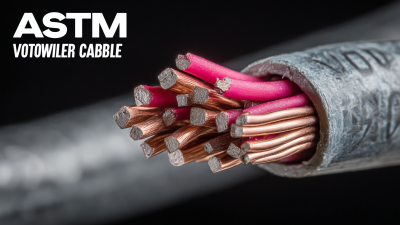
The H07V-R PVC insulated single core wire is a key component in various electrical applications, particularly in the construction and installation sectors. This type of cable is classified under the harmonized lead wires, featuring single-stranded bare copper conductors encased in durable PVC insulation. This design not only provides excellent conductivity but also ensures reliability in diverse environmental conditions, making it a preferred choice for installation in residential, commercial, and industrial settings.
One of the significant advantages of the H07V-R cable lies in its versatility. According to a report by MarketsandMarkets, the global demand for PVC insulated wiring is projected to grow by 4.5% annually, driven by the increasing need for efficient electrical systems. The copper conductor allows for lower resistive losses, enhancing overall energy efficiency. With temperature ratings that generally range from -15°C to +70°C, it performs exceptionally well across a variety of applications, including fixed installations and mobile equipment, which can be vital for construction projects and manufacturing processes.
Furthermore, the safety properties of H07V-R cables are noteworthy. They are designed to be resistant to oils and chemicals, which is crucial in industrial environments where exposure to such substances can lead to failures in less robust wiring solutions. According to the International Electrotechnical Commission (IEC), PVC insulated cables also meet stringent flame propagation tests, ensuring that they contribute to overall safety in electrical installations. This resilience and safety make the H07V-R an essential choice for professionals seeking reliable wiring options in their projects.
FAQS
BC cable types for different applications?
Outdoor cables must be resistant to UV rays, moisture, and extreme temperatures to ensure longevity and reliability.
The choice of conductor size directly influences efficiency, as larger conductors minimize resistance and energy loss, and balance mechanical strength with electrical conductivity.
The ratio impacts the overall electromagnetic characteristics of the cable, which can affect its capability to handle high loads safely.
Common insulation materials include PVC, which offers good moisture and chemical resistance, and XLPE, which provides superior thermal resistance and mechanical strength for high-temperature and severe weather applications.
Robust insulation enhances durability, reduces maintenance costs, and minimizes the risk of electrical failures, leading to optimal performance.
Ensure the cables are compatible with the systems and designed to handle variable loads efficiently.
Experts can help ensure that the cables meet the specific requirements of your application, thereby enhancing overall system performance.
Carefully evaluating insulation can ensure optimal performance, compliance with safety standards, and reduced likelihoods of failures over time.
Conclusion
When you're choosing the right ABC cable to get the best electrical performance, there are quite a few things you really want to keep in mind—stuff like the type of cable, temperature ratings, conductor sizes, insulation materials, and voltage ratings. Honestly, each of these details is super important because they help ensure the cable fits your specific needs, all while keeping safety and efficiency in check. At the ABC Cable Group, we put a big emphasis on carefully looking at these factors. That way, you get a product that’s not just effective but also durable, especially when working in different environmental conditions.
And hey, it’s also smart to think about the costs—how they add up now versus the long-term benefits. Sometimes, a slightly higher upfront investment can save you a lot of hassle and money down the line. Here at HENAN TINDE POWER CO., LTD., we’ve got plenty of experience with cable installation and power equipment research, so we’re here to help you pick the perfect ABC cables tailored exactly to your needs. Ultimately, it’s all about boosting your operational efficiency and making sure everything runs smoothly and reliably.