Picking the right single-core wire for your electrical projects isn't just a small detail — it really can make a big difference when it comes to safety and efficiency. Whether you're a pro electrician or just someone tackling a DIY job at home, understanding the different types of single-core wires out there is super important so you can pick the best one for your specific needs. The kind of wire you choose depends on a few things, like how much current it needs to carry, the type of insulation, and the environment where it'll be used.
In this little guide, I’ll walk you through what you need to consider when choosing a single-core wire. We’ll look at the different types out there — from PVC insulated to rubber insulated wires — and what makes each one special. Each variant has its own perks, and knowing about them can help you get your project done right and avoid common mistakes that could lead to problems or even hazards. By the time you finish reading, you’ll feel way more confident about picking the right wire to keep your electrical work safe, efficient, and done just right.
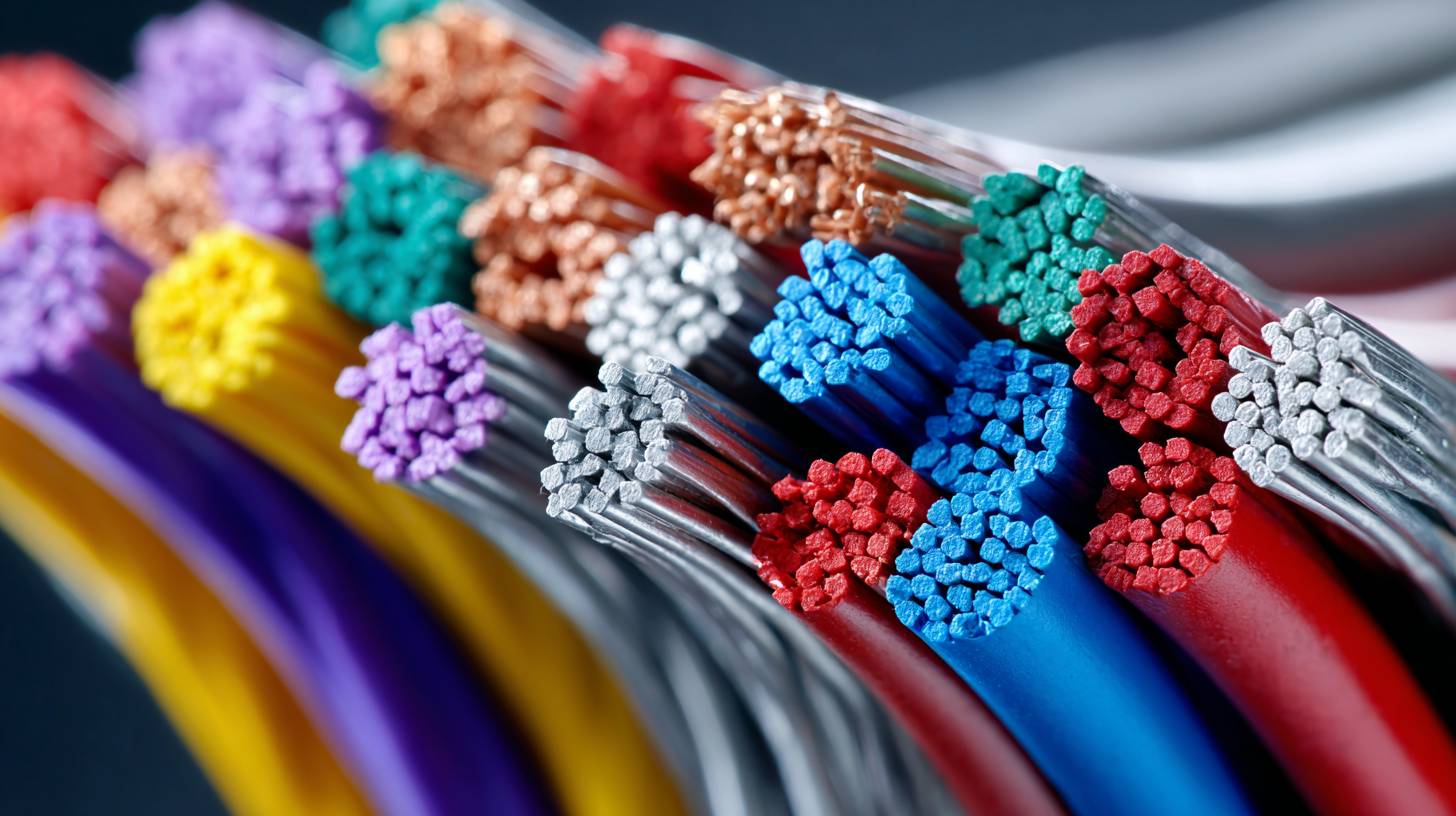
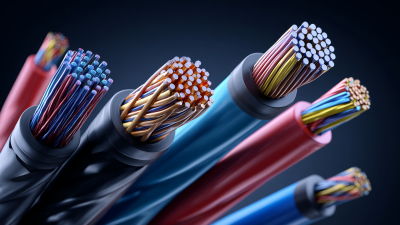
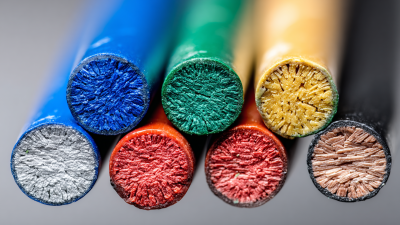
When embarking on electrical projects, understanding the basics of single core wires is essential for ensuring safety and efficiency. Single core wires consist of a single conductor, typically made of copper or aluminum, which is encased in an insulating material. This type of wire is favored for its flexibility and ease of installation, making it suitable for a variety of applications, from lighting circuits to household appliances.
One of the key factors to consider when choosing the right single core wire is the wire gauge, which determines the amount of current the wire can safely carry. Thicker wires, designated by lower gauge numbers, can handle more amperage, while thinner wires are better suited for low-power applications. Additionally, the insulation type is crucial as it protects the conductor from environmental factors and prevents accidental short circuits. By understanding these basic principles, you can select the appropriate single core wire, enhancing the performance and safety of your electrical projects.
When embarking on an electrical project, selecting the appropriate wire gauge is crucial for ensuring efficiency and safety. The wire gauge, measured in American Wire Gauge (AWG), determines the wire's current-carrying capacity. For instance, a lower gauge number indicates a thicker wire, which can handle more electricity. Conversely, using a wire that's too thin for your project can lead to overheating and potential fire hazards.
Identifying the right wire gauge involves considering the amount of current your project will require and the length of the wire run. As a general rule, for most household electrical applications, 14-gauge wire is suitable for circuits carrying up to 15 amps, while 12-gauge wire is recommended for 20-amp circuits. It's also essential to account for voltage drop, particularly in longer runs. A smaller gauge wire should be used if the length exceeds certain limits to maintain optimal performance. Always adhere to the National Electrical Code (NEC) guidelines to ensure compliance and safety in your electrical installations.
When selecting single core wire for electrical projects, evaluating the insulation materials is crucial, as these materials dictate the wire’s performance, safety, and longevity. Different applications require specific insulation types to withstand environmental factors. For instance, according to the National Electrical Manufacturers Association (NEMA), Thermoplastic (like PVC) and Thermoset (such as XLPE) are the most common insulation materials used in residential and commercial wiring due to their excellent resistance to moisture and heat. PVC is particularly suitable for indoor applications while XLPE excels in higher temperature and outdoor settings.
Additionally, in demanding industrial scenarios, materials such as silicone rubber or fluoropolymer provide superior resistance to chemicals and extreme temperatures. A report by the Institute of Electrical and Electronics Engineers (IEEE) highlights that wires insulated with fluoropolymer can operate effectively in environments exceeding 200°C, making them ideal for high-performance applications. Understanding these variants not only ensures compliance with regulatory standards but also optimizes the safety and efficiency of electrical systems across various sectors. Each insulation material presents distinct advantages, emphasizing the importance of matching the wire’s insulation to the specific demands of the project at hand.
When selecting the right single-core wire for your electrical projects, environmental factors play a crucial role in ensuring both safety and efficacy. Materials used in wiring, especially in external applications, can significantly impact performance over time. Factors such as temperature fluctuations, humidity, and exposure to chemicals should be meticulously considered. For instance, wires designed for harsh environments may require insulation materials that can withstand UV radiation or are resistant to moisture and abrasives. Choosing the appropriate wire not only enhances the longevity of your installation but also ensures compliance with safety standards.
Furthermore, the growth trajectory of the global plasticizers market highlights the increasing demand for high-performance materials, including those used in electrical wiring. It is projected that by 2030, the global plasticizers market will expand from $17.99 billion in 2023 to $23.88 billion, with a compound annual growth rate of 4.1%. This trend underscores the need for manufacturers to innovate their insulation technologies to accommodate environmental challenges. Selecting the right type of wire that incorporates advanced materials can significantly enhance the sustainability and reliability of electrical installations in various settings.
When integrating a Homelink system with a Hörmann garage setup, compatibility with connectors and terminals is essential for a seamless operation. The Hörmann ESE receiver can interact with Homelink, provided that the wiring is correctly configured. It's crucial to verify that the wire gauge used corresponds to the requirements of both the Homelink system and the garage door opener. Incorrect wire sizes may lead to performance issues, such as inconsistent signals or failure to operate entirely.
Additionally, ensure that the connectors used in your setup are intended for low-voltage applications, as is typical with garage door systems. Utilizing subpar connectors can lead to increased resistance, which may diminish the system’s reliability. Test the connections after installation to confirm that the signal integrity is maintained. By carefully assessing compatibility and ensuring proper connections, you can enhance the functionality of your Homelink system within your Hörmann garage.
| Wire Gauge (AWG) | Maximum Current (Amps) | Common Connector Types | Applications | Compatibility Notes |
|---|---|---|---|---|
| 14 AWG | 15 Amps | Faston, Ring Terminal | Lighting, Small Appliances | Check for good insulation for secure connections. |
| 12 AWG | 20 Amps | Spade Terminal, JST | Power Tools, Heating Systems | Ensure connector ratings match gauge capacity. |
| 10 AWG | 30 Amps | Butt Connector, Anderson Connector | Motors, Heavy Equipment | Use appropriate crimping tools for secure joints. |
| 8 AWG | 40 Amps | Large Ring Terminal, Heavy Duty Connector | Battery Wiring, High-Load Appliances | Verify compatibility with connector materials. |
| 6 AWG | 55 Amps | Copper Lugs, Terminal Blocks | Industrial Equipment, Solar Power Systems | Ensure termination is weather-resistant. |
When selecting a single core wire for your electrical projects, it's crucial to prioritize compliance with safety standards and regulations. Adhering to these standards ensures not only the reliability of your electrical installations but also the safety of individuals who interact with the systems. Different regions and industries may have specific codes, such as the National Electrical Code (NEC) in the United States or the International Electrotechnical Commission (IEC) standards globally, which dictate the acceptable specifications for wiring materials, insulation types, and installation methods.
To ensure compliance, begin by familiarizing yourself with the relevant regulations applicable to your project. This may involve checking the local building codes, understanding the requirements for circuit protection, and assessing the environmental conditions where the wire will be installed. Additionally, it is essential to choose wire that meets or exceeds these standards, as using subpar materials can lead to hazards such as electrical shorts or potential fire risks. Always consult with professionals or regulatory bodies if you have any uncertainties regarding compliance; this proactive approach can help in achieving safer and more effective electrical installations.
: Single core wires are used for a variety of applications, including lighting circuits and household appliances, due to their flexibility and ease of installation.
Single core wires are generally made from copper or aluminum and are encased in insulating materials for protection.
Wire gauge, measured in American Wire Gauge (AWG), determines a wire's current-carrying capacity, with lower gauge numbers indicating thicker wires that can handle more amperage.
For most household applications, 14-gauge wire is suitable for circuits carrying up to 15 amps, while 12-gauge wire is recommended for 20-amp circuits.
The insulation type protects the conductor from environmental factors and prevents accidental short circuits, ensuring safety and effectiveness in electrical applications.
Factors such as temperature fluctuations, humidity, and exposure to chemicals are crucial when selecting wires for external applications to ensure longevity and safety.
In harsh environments, exposure to extreme temperature fluctuations and high humidity can deteriorate wire insulation, potentially compromising safety and performance.
The global plasticizers market is expected to expand significantly, indicating an increasing demand for high-performance materials used in electrical wiring, pushing manufacturers to innovate insulation technologies.
Always adhere to the National Electrical Code (NEC) guidelines and consider the wire gauge needed and environmental factors to ensure safety and compliance in your electrical projects.
For longer wire runs, a smaller gauge wire may be required to maintain optimal performance due to voltage drop, ensuring that sufficient voltage reaches the intended destination.
Choosing the right Wire Single Core is crucial for ensuring the efficiency and safety of electrical projects. Understanding the basics of single core wires, such as their gauge and insulation materials, will help you select the appropriate type for your specific application. Additionally, evaluating factors like environmental conditions, compatibility with connectors, and adherence to safety standards is essential for achieving optimal performance and compliance in your electrical installations.
At HENAN TINDE POWER CO., LTD., we specialize in providing expert guidance and high-quality wire and cable solutions for various power equipment needs. Our commitment to research, design, and sales in the wiring industry ensures that our clients are well-equipped to make informed decisions when selecting Wire Single Core and other electrical components.