You know, as electrical infrastructure keeps evolving, it’s becoming more important than ever to really understand what materials go into making cables.
Take XLPE (Cross-Linked Polyethylene) and PVC (Polyvinyl Chloride) cables, for example—they’re the go-to choices nowadays.
According to the International Energy Agency, the demand for electric cables worldwide is expected to shoot up pretty significantly, which means companies like
HENAN TINDE POWER CO., LTD.—you know, the experts in wire and cable solutions—really need to keep up with the latest standards.
XLPE cables are pretty awesome when it comes to handling heat and electrical stress; they’re perfect for high-voltage setups.
On the other hand, PVC cables are super versatile and kind of a budget-friendly option that fits a lot of needs.
This guide is here to break down the key differences between XLPE and PVC cables—so you can make smarter choices, get better performance, and stay compliant with safety rules.
Basically, knowing these differences isn’t just good for your wiring projects; it’s crucial for staying ahead in this fast-changing industry.
Key Attributes of XLPE and PVC Cables in Modern Electrical Applications
When you’re looking at the main differences between XLPE (cross-linked polyethylene) and PVC (polyvinyl chloride) cables, it's really important to think about how they perform in today’s electrical setups. XLPE cables are pretty awesome when it comes to handling heat—they can run at higher temperatures without breaking a sweat, unlike PVC cables. This makes XLPE a solid choice for places where temperatures can jump around a bit, helping keep things safe and running smoothly even under tough conditions. Plus, XLPE does a great job insulating, which means less energy wasted and a more efficient system overall.
On the flip side, PVC cables are usually the go-to because they’re cheaper and simply more flexible. They’re lighter, so installing them doesn’t turn into a nightmare, and they hold up well against moisture and chemicals—perfect for outdoor use or rough environments. The only catch is, PVC isn’t really built for high temperatures, so it can’t handle the heat as well as XLPE can. Knowing these little differences really helps technicians and engineers pick the right cable for their specific needs—after all, choosing the right one means better performance and longer-lasting systems.
Comparative Analysis of Thermal Resistance in XLPE vs. PVC Cables
When you're comparing the thermal resistance of XLPE (that’s cross-linked polyethylene) and PVC (polyvinyl chloride) cables, it’s really important to get a handle on how their structures are different and how they hold up under heat stress. Basically, XLPE cables are way better at resisting heat because of their molecular makeup, which allows them to handle higher temperatures without breaking down or losing performance. This is especially a big plus in sectors like renewable energy, where cables often face fluctuating temperatures. Plus, studies show that XLPE cables keep their electrical properties intact even after years of thermal aging, meaning they last longer and keep everything running safely in power systems.
On the flip side, PVC cables—since they’re so common—tend to lose their mechanical strength and thermal properties pretty quickly when exposed to high temperatures or rough environments. Recent research has actually shown that as PVC ages thermally, it becomes more conductive and its insulation gets less effective, which isn’t great news for the electrical stuff inside. So, when you're picking the right cables for new electrical setups, especially in renewable energy projects, it’s really worth paying attention to how these materials perform under heat.
A quick tip: When you’re selecting cables for a project, double-check their thermal resistance ratings—especially if they’re going to be used outside. And don’t forget to think about the environmental conditions—they’ll face. For renewable energy setups, going with XLPE is usually a smart move because it’s built to stay stable against heat and electrical stresses. Trust me, it’s worth the extra consideration.
Impact of Environmental Factors on XLPE and PVC Cable Performance
You know, when it comes to cables like XLPE (that’s cross-linked polyethylene) and PVC (polyvinyl chloride), environmental factors really have a big impact on how they perform and how long they last. These cables are pretty much the backbone of electrical systems, but they can be quite sensitive to stuff like temperature, humidity, and moisture getting in. It’s interesting — studies have shown that changes in temperature and humidity can really affect how much water these materials tend to absorb. For example, XLPE is actually quite good at resisting moisture compared to PVC, which means they might age or degrade at different rates depending on the environment they’re in.
There’s also this thing called the Aging Law and Life Evaluation Model for cable insulation, which basically predicts how the insulation might hold up over time under various conditions. Thanks to some pretty advanced modeling tools like WOA-SVR (that’s Whale Optimization Algorithm combined with Support Vector Regression), we can get a pretty accurate idea of how long a cable might last and how durable it’ll be. As we keep pushing for stronger, more reliable electrical setups, it’s super important to understand how environmental factors influence these cables. Picking the right type based on where it’ll be used isn’t just smart — it’s essential for keeping everything running smoothly and efficiently.
Cost-Benefit Evaluation: XLPE vs. PVC for Long-Term Use
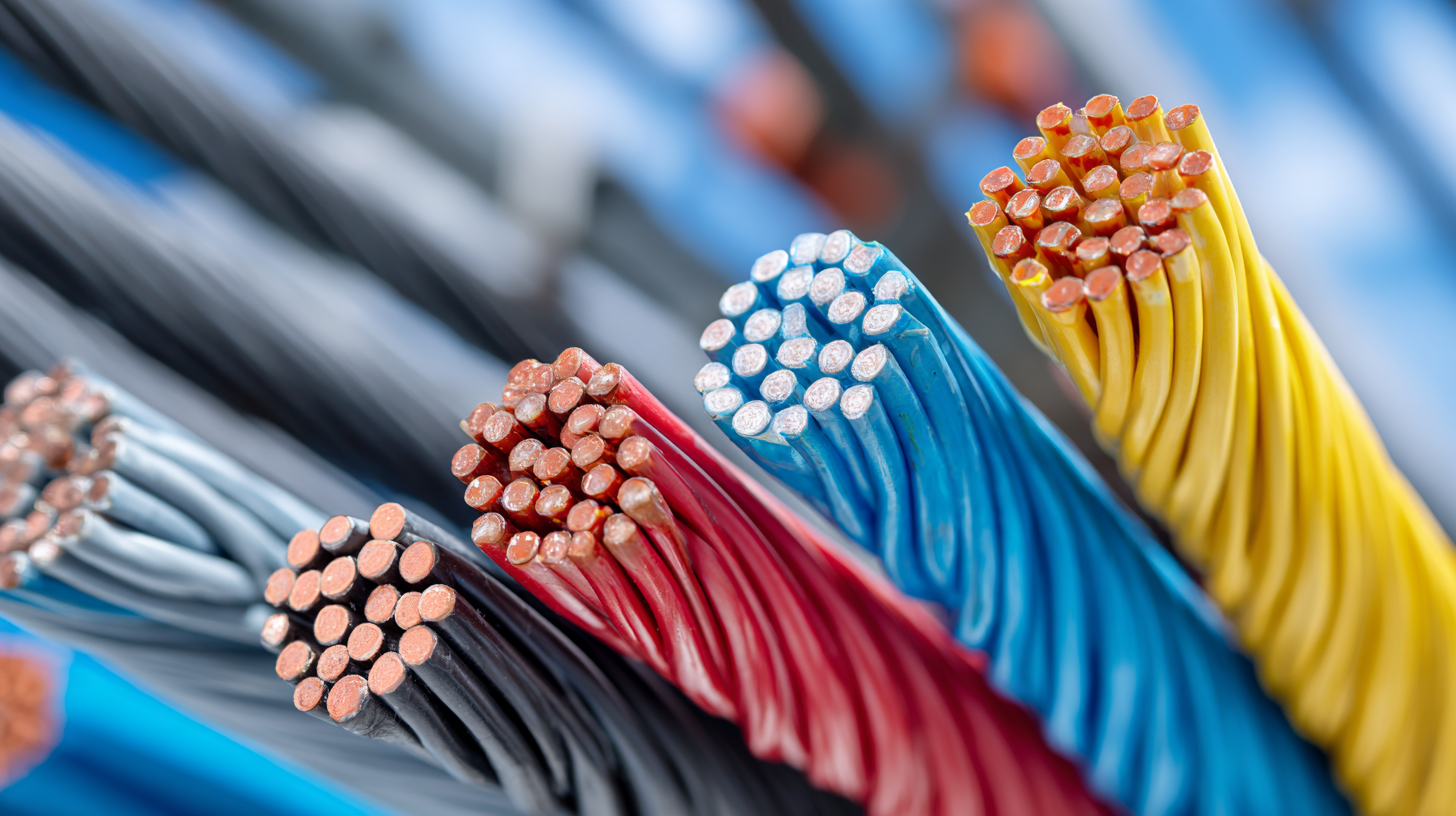
When you're looking at long-term options for electric cables, it's pretty important to weigh the pros and cons of XLPE (that's cross-linked polyethylene) versus PVC (polyvinyl chloride). A recent study pointed out that while XLPE cables usually cost more upfront, they tend to perform better in the long run—especially when it comes to handling higher temperatures and providing better insulation. This means they can save you money over time since they require less maintenance. For example, XLPE can handle continuous temperatures up to 90°C, whereas PVC’s limit is around 70°C. This difference can really matter when the cables are used in tough environments where reliability is key.
On the flip side, PVC cables are often the go-to because they’re cheaper initially and easier to install—great for projects that are short-term or less demanding. But, there's been a lot more focus lately on the environmental side of things, especially with PVC. During the COVID-19 pandemic, a lot of plastic waste, including PVC, was generated—some reports pointed out just how much of it is out there and the challenges it presents for waste management. Because of this, companies are starting to look at better recycling options, like pyrolysis, to help reduce the environmental impact of disposing of PVC cables.
As Henan Tinde Power Co., Ltd. keeps designing and installing different power solutions, the choice between XLPE and PVC is going to be pretty big. As things develop in the electrical industry, understanding what these materials mean in the long run isn't just about saving money upfront—it’s also about adopting better, more sustainable practices down the line.
Understanding the Differences Between XLPE and PVC Cable: A Comprehensive Guide for Modern Electrical Applications
| Feature |
XLPE Cable |
PVC Cable |
| Temperature Resistance |
Up to 90°C |
Up to 70°C |
| Voltage Rating |
Up to 1 kV |
Up to 0.6/1 kV |
| Water Resistance |
High |
Moderate |
| Chemical Resistance |
Excellent |
Good |
| Flexibility |
Moderate |
High |
| Installation Cost |
Higher |
Lower |
| Lifespan |
30+ years |
20+ years |
Applications and Suitability of XLPE and PVC Cables in Various Industries
So, when it comes to cables like XLPE (that’s cross-linked polyethylene) and PVC (polyvinyl chloride),
they’re pretty much everywhere across different industries. Each one has its own strengths, making them better
suited for certain jobs. For example, XLPE cables are known for their awesome thermal
resistance and sturdiness. That’s why you’ll see them used a lot in high-voltage setups. Interestingly, a recent
report from Research and Markets mentioned that the global market for
XLPE cables is expected to grow by over 6% annually from 2022 to 2027. The main drivers? The rising
demand for renewable energy projects and more efficient power distribution systems.
Plus, XLPE can handle a pretty wide temperature range—think from -40°C all the way
up to 90°C—which makes it perfect for places like power plants, industrial sites, and renewable tech setups.
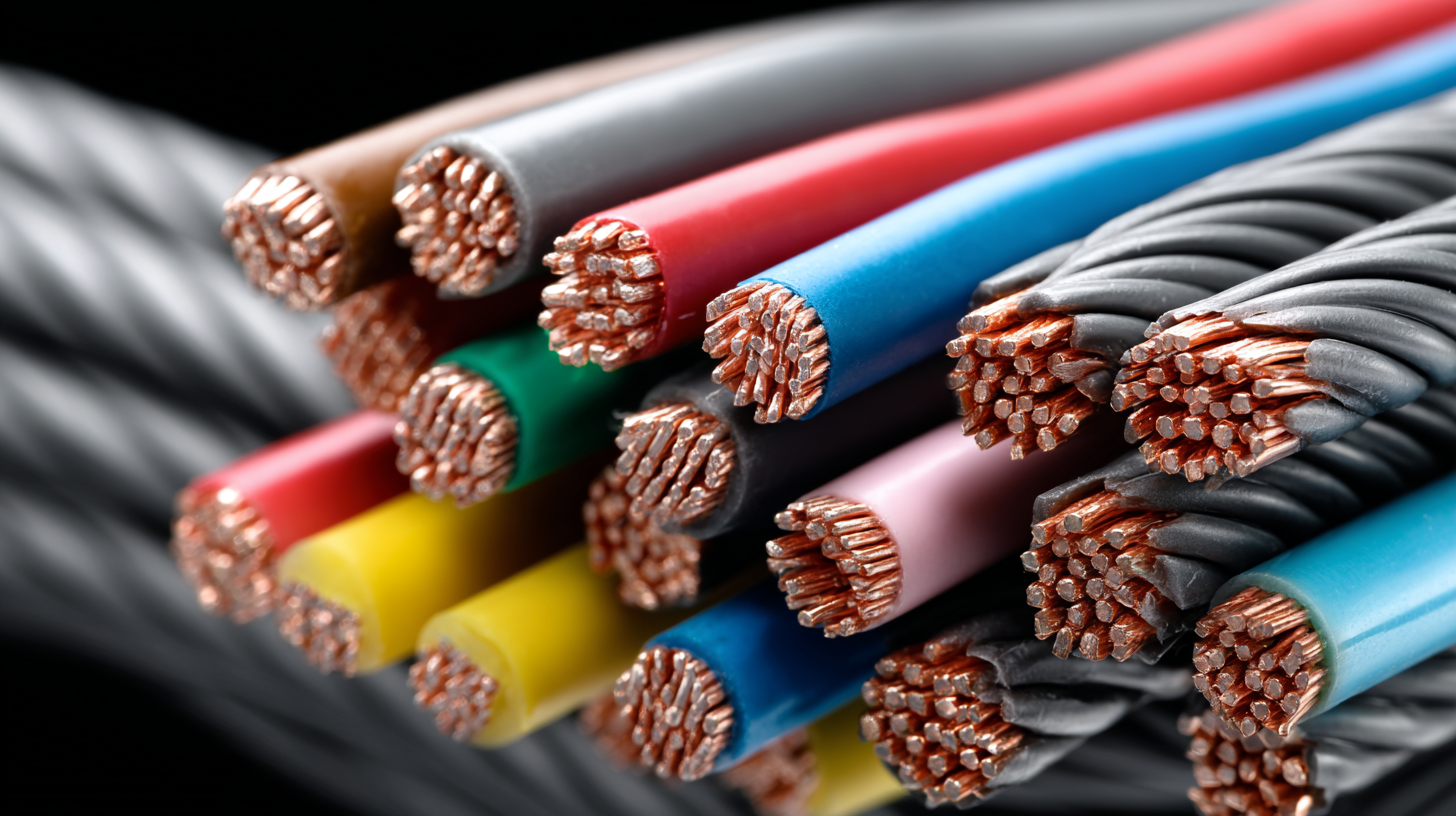
On the flip side, PVC cables tend to be the go-to in construction and low-voltage situations.
They’re more budget-friendly and super versatile. The International Cablemakers Federation
points out that PVC cables are often seen in residential wiring, telecom setups, and lighting because
they’re fire-retardant and pretty straightforward to install. Now, while XLPE outperforms PVC
when it comes to heat resistance and electrical performance, PVC still holds its own—especially when you’re
working with tighter budgets or moderate conditions. Basically, choosing between XLPE and PVC
really comes down to the specific needs of your project, the environment, and what you’re willing to spend.
Future Trends: Innovations in XLPE and PVC Cable Technology
Looking ahead, the future of cable tech—especially when it comes to
XLPE and
PVC cables—is really exciting,
full of new innovations that boost both performance and sustainability. If you look
at the numbers, the global market for
Cross-Linked Polyethylene (XLPE)
cables is expected to grow pretty rapidly, jumping from around
$35.84 billion in 2024 to roughly
$58.66 billion by 2032. That’s a
compound annual growth rate (CAGR) of about
6.35%. No surprises there—XLPE’s fantastic
insulation qualities are making it the go-to choice for modern electrical needs,
particularly in medium voltage setups where
durability really matters.
And it’s not just XLPE getting better;
PVC cable tech is also moving
forward in a big way. The global wire and cable compound market, for instance, is
forecasted to grow from about
$17.57 billion in 2025 up to nearly
$34.46 billion by 2033, with an impressive CAGR
of 8.79%. As cities keep expanding around
the world, the demand for low-voltage cables is skyrocketing. That’s pushing
manufacturers to pour more resources into developing high-performance solutions
that can keep up with industry demands. The latest
insulation materials and
innovative manufacturing methods are really those game-changers, making sure
XLPE and
PVC cables stay front and center
in our electrical infrastructure today—and tomorrow.
Exploring the Impact of PVC Insulated Power Cables on Energy Efficiency and Industry Standards: Insights from Recent Market Analysis
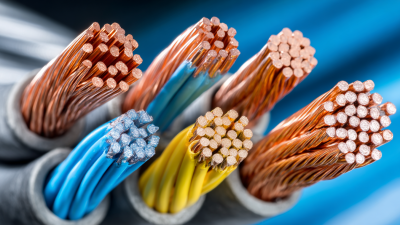
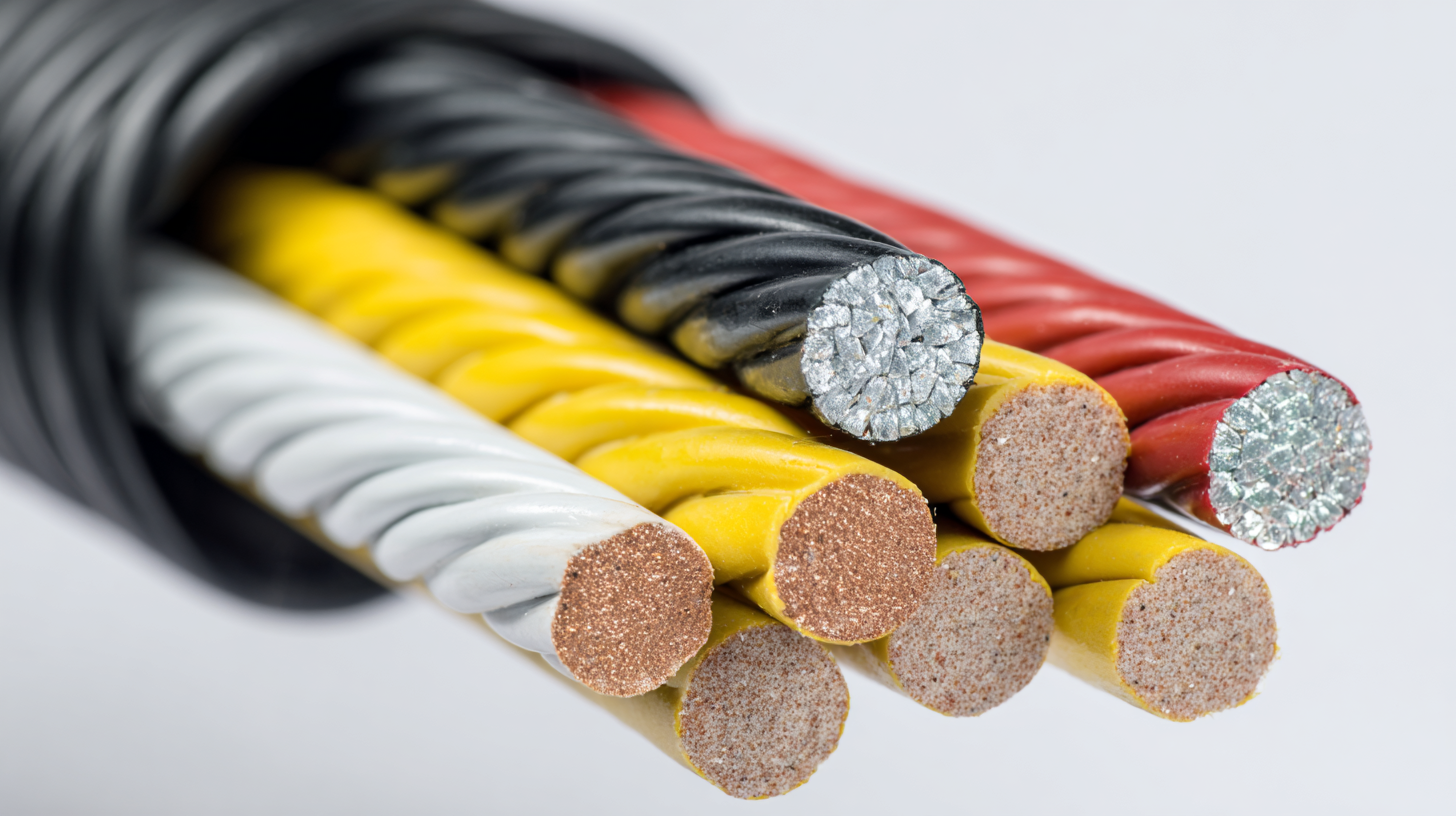
The impact of PVC insulated power cables on energy efficiency and industry standards is a crucial topic in today's electrical engineering landscape. Recent market analyses reveal that the adoption of PVC cables not only enhances safety through improved insulation but also ensures significant energy savings in various applications. A 3 core PVC cable, composed of three insulated conductors each typically color-coded red, yellow, and blue for easy identification, plays a vital role in this efficiency. Data from industry reports indicate that the optimal use of circular conductors is recommended for cables with a cross-sectional area less than 16mm². Conversely, for those exceeding 35mm², shaped conductors demonstrate better performance, which reinforces the idea that selecting the appropriate conductor type is fundamental for maximizing energy efficiency.
Furthermore, the use of PVC insulated cables aligns with industry standards that advocate for safer and more sustainable electrical systems. A comprehensive study by the International Electrotechnical Commission (IEC) highlights that PVC insulation not only provides durability and flexibility but also offers resistance to various environmental factors. The longevity and reliability of these cables contribute significantly to reducing maintenance costs and enhancing operational efficiency over time. As industries strive to meet increasing energy demands while adhering to regulatory standards, the implementation of PVC insulated cables emerges as a compelling solution for improving overall system performance and sustainability in the electrical sector.
FAQS
: XLPE cables are known for their superior thermal resistance, allowing them to operate efficiently at higher temperatures. They exhibit excellent electrical insulation properties, which reduces energy losses and improves overall system performance.
PVC cables are favored for their cost-effectiveness and lightweight nature, which makes installation easier. They also have good resistance to moisture and chemical exposure, making them suitable for outdoor applications and harsh environments.
Environmental factors such as temperature, humidity, and moisture ingress can significantly impact the performance and longevity of both XLPE and PVC cables. For example, variations in these conditions can influence the water absorption characteristics and aging rates of the cable materials.
XLPE demonstrates superior moisture resistance compared to PVC. This characteristic can lead to differences in aging and degradation rates when the cables are exposed to variable environmental conditions.
Advanced modeling techniques, such as the Whale Optimization Algorithm-Support Vector Regression (WOA-SVR), allow for accurate predictions of cable life expectancy and durability under different environmental stresses.
The global XLPE cables market is projected to grow from $35.84 billion in 2024 to $58.66 billion by 2032, with a compound annual growth rate (CAGR) of 6.35%.
The global wire and cable compound market is expected to grow significantly, projected to increase from USD 17.57 billion in 2025 to USD 34.46 billion by 2033, with a CAGR of 8.79%. This growth is driven by urbanization and the increasing demand for high-performance low voltage cables.
Understanding the distinct attributes of XLPE and PVC cables helps professionals in the electrical industry make informed decisions based on specific application requirements, ensuring optimal performance and longevity of electrical systems.
Environmental impacts are crucial in selecting the appropriate cable type, as they influence the efficiency and reliability of electrical installations. Selecting cables that can withstand environmental stresses ensures better performance and durability.
Conclusion
Hey, I came across this really thorough article titled 'Understanding the Differences Between XLPE and PVC Cable: A Comprehensive Guide for Modern Electrical Applications.' It dives deep into what sets these cables apart, especially when it comes to their key features and how they perform in real-world use. The piece does a great job explaining things like thermal resistance and how environmental factors can influence their performance — super important stuff if you want your setup to work smoothly, no matter where you are. Plus, it’s not just about the technical bits; the article also breaks down the costs and benefits, helping industry folks make smarter choices for the long haul.
What I also liked is how they talk about where each type of cable really shines across different industries, highlighting their unique perks. And with tech always changing, the article even touches on the upcoming trends and innovations in XLPE and PVC cables — pretty exciting if you’re into keeping up with the latest and greatest. Overall, this guide is a solid resource for anyone looking to fine-tune their electrical installations using these cables. Definitely a must-read for pros trying to make sure they get it right the first time!