Leave Your Message
Standardization worldwide is now changing the scenario in the manufacturing of Low Voltage Power Cable. Now that safety and efficiency in electrical systems are the foremost needs, all industries have geared up to transform infrastructure throughout the globe to make it better reliable and reduce operational risks, and there is nowhere to hide from these standards. Keeping abreast with the ever-changing dynamics of the market is what organizations such as HENAN TINDE POWER CO., LTD. have focused on since they are now recognized experts in the installation of power equipment and manufacture of wire and cable as well as accessories.
HENAN TINDE POWER CO., LTD. knows that raw materials and performance of Low Voltage Power Cables directly affect most electrical safety and efficiency. Thus, on their production lines, they look into how to install international standards, so the products do comply not only with international safety requirements standards but also with impeccable functionality. This blog talks about what is changing now in the design, manufacture, and application of Low Voltage Power Cables with these latest standards towards making power distribution systems across the globe even safer and more efficient.
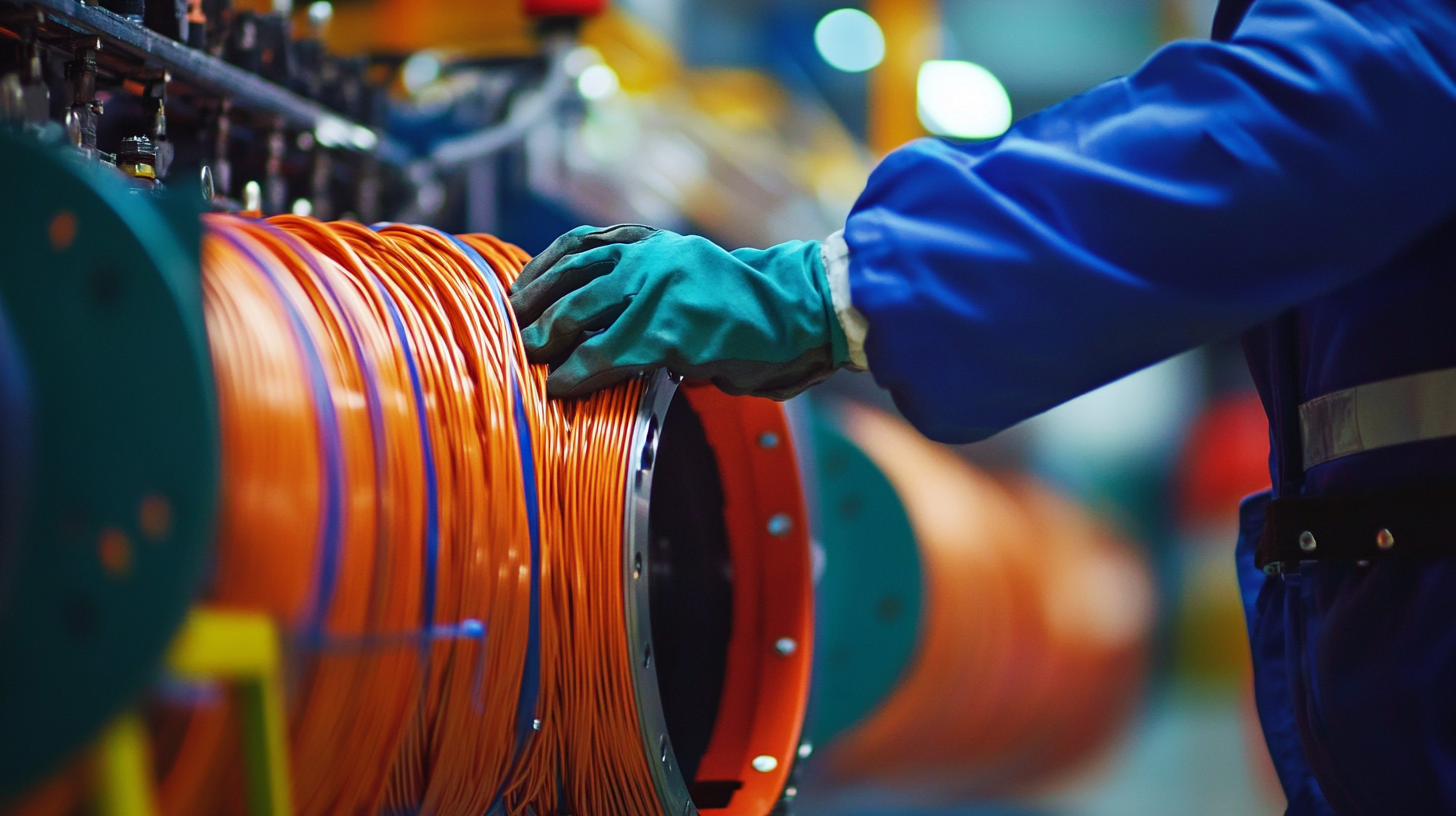
New changes to low voltage power cable global standards are improving and reinventing the industry regarding efficient manufacture and enhancement in safety. Institutions such as the International Electrotechnical Commission (IEC) and the American National Standards Institute (ANSI) are actively busy developing standards governing processes of manufacturing, selection of materials, and testing. It was recently brought about by Research and Markets that the size of the global low voltage cable market would see tremendous growth to 178.4 billion U.S. dollars by 2027 with respect to the ongoing demands for installing a reliable network of power distribution and manufacturing protocols. The new standards ensure that the quality is good while guaranteeing safety throughout the entire production life cycle. For example, IEC 60228 gives specifications for the conductivity and thermal resistance of copper and aluminum cables. These parameters directly affect performance and life. Reduction in electrical failures incident collection has been estimated in data submitted by the International Cablemakers Federation (ICF) to amount over 20% for regions that embrace these guidelines, thus an important milestone in safety advancements. The overall production efficiency is getting increased with and by smart manufacturing practices parallel to these global standards. By adopting this automation and data analytics solution, companies can optimize their supply chains; production times can be in studies cut by approximately 15%, according to Deloitte. It would further strengthen the cables compared with their input and improve the overall quality of low voltage power cables, making them more versatile and rugged in applications. Advancements in further innovation would be expected from the industry because of all the emerging standards it will adopt in the future years.

The cable industry has witnessed a substantial evolution in recent years, largely propelled by the introduction of global standards that improve both the production efficacy and safety of products. The importance of standardization is in the simplification of the manufacturing process, less wastage in production, and assured uniformity in products. Standards, therefore, help the manufacturers optimize their procedures through which low-voltage cables could be manufactured better and of higher quality.
One of the impacts of standardization is that the technology and the practices have sunk down towards an alignment among the global players in the cable market. In this collaborative environment, new ideas are facilitated, as the manufacturers exchange mutually accepted specialized knowledge and embrace modern techniques of manufacturing conforming to international standards. That means more time in production rather than unproductive time, increased performance, greater cost-effectiveness, and responsiveness to the market.
Standardization also substantially aids in ensuring safety during the manufacturing process of cables. Under uniform norms, all manufacturers' products are ensured to fulfill required safety arrangements to the advantage of the end-users and to lessen their liabilities. This emphasis on quality and safety gives customers confidence and reinforces the brand's standing in the marketplace. The continued acceptance of global standards will, therefore, be the driving force behind the improvements going on in the cable industry and will ensure sustainability into the future.
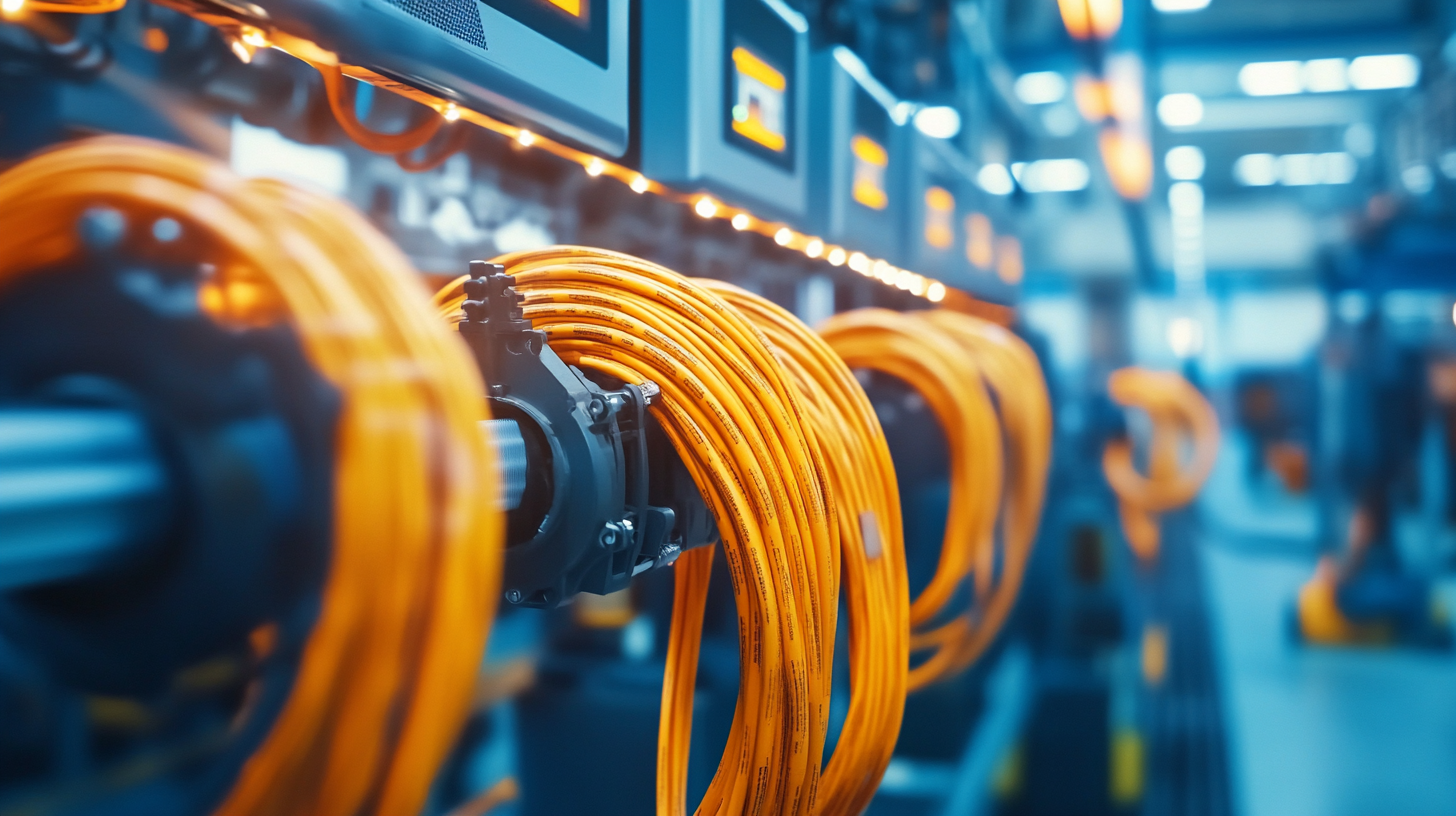
In the fast-evolving field of production of low voltage power cables, enhanced safety protocols can best be termed as the sine qua non of high efficiency and protection of workers. The introduction and entrenchment of global standards have provided a paradigm shift for the manufacturers to evaluate in quantifiable terms the benefits emanating from the increased safety measures. With the application of advanced and latest safety technologies and methodologies, the accident rates can be drastically curtailed, thereby minimizing costly downtime and fostering a culture of safety.
The advantages arising in quantitative terms from better safety mechanisms may take various forms. For example, companies with extensive safety training and assessments report a remarkable reduction of up to 30% in incidents within the workplace. Safety protects employees and maximizes production efficiency since safer circumstances minimize disruption of workflow. Further, safety-focused businesses will also have the benefit of lower insurance premiums and, consequently, more interested workers - which translates directly into their bottom line.
The employment of data analytics to monitor safety practices allows manufacturers to do real-time assessments, thus facilitating the implementation of preemptive changes. For instance, looking at equipment malfunctions or employee feedback might point out a trend that allows for the prediction and prevention of future incidents. This analytical model immediately incorporates safety into the heart of production, making it integral to operations instead of just an afterthought. Such quantitative benefits accruing from an enhanced safety protocol strongly advocate for the adoption of global standards in low voltage power cable production, showing that safety and efficiency go hand in hand.
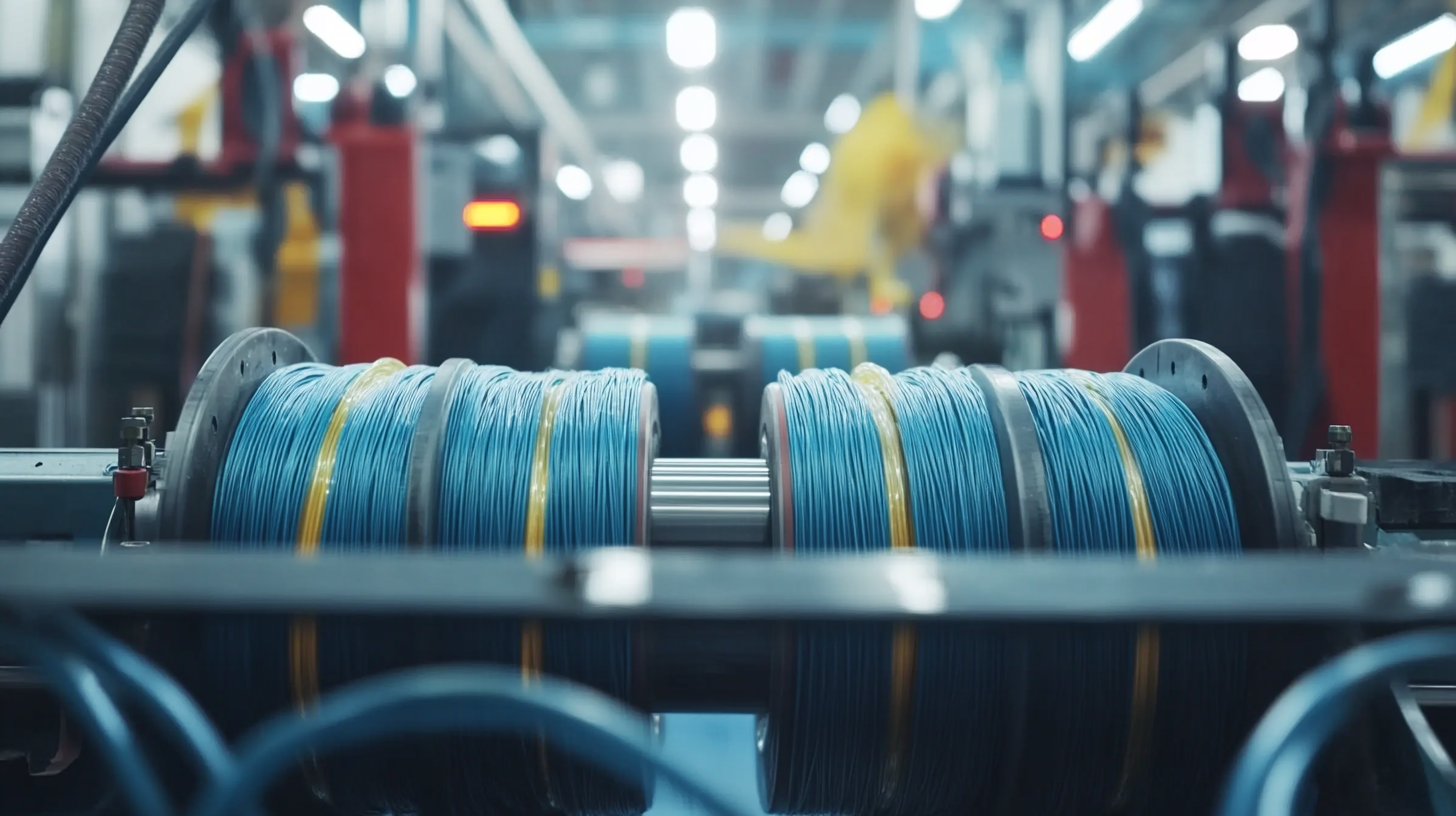
The ISO standardization is dramatically reshaping low voltage cable quality with a worldwide vision of safety, energy efficiency, and modernization for electric systems. As the demand for low voltage power cables that are reliable and of the highest quality grows, the relevance of standard practices will guarantee that manufacturers meet stringent safety and performance standards continuously. This transformation therefore becomes a key player not only in infrastructure safety but also in overall safety in electrical systems.
The past few years have seen very comprehensive growth of low voltage cables attributed to the construction boom. Safety in buildings since 2023 has risen to prominence as a critical aspect, just about 8 million people are working in the U.S. construction industry. The ISO standards provide a framework through which the industry can adopt the best practices. This creates increased consumer trust, more stakeholders' confidence, and therefore more market competitiveness for those companies that adopt such standards.
On the other hand, as sustainability is becoming a key driver, the ISO standards will remain a major tool for engendering energy efficiency. Sustainable manufacturers are able to innovate and provide better-performing cables that consume less energy of the energy. The embracing of these standards is a tremendous stride toward establishing a more sustainable future in the low-voltage cable sector, where quality and efficiency are generally at the very forefront of any technological changes.
Over the past few years, a key development that is changing the landscape of low voltage power cable manufacturing has been the global standards for production. These globally set standards are, of course, contributing significantly to the manufacturing companies' efficiency and safety. But, operations are not limited to the above applications, or being used only for safety. In fact, earlier, companies were using performance-based standards for improving their production. The case studies on various organizations show how the application of global standardization in manufacturing could significantly impact the improvements of their products and processes.
For example, a leading manufacturer in the cable industry recently boasts a reduction of cost of production amounting to 20% after adopting international safety standards in the process of production. This actually improves production performance and enhances employee safety practices inside the manufacturing line. In a similar vein, a company mentioned how this resulted in a drastic decline of electrical failures and faults that were once prevalent in its product line because of adhering by these standards.
In addition, the rapid growth projected in the construction industry was supposed to spur the low voltage cable market, strengthening the need for the necessary global standard. As the industry decides to move into the direction of safety and energy efficiency, those manufacturers who are firmly into adequate standards will be in a better position to meet the highly increasing demand and thus develop in the long run. The change is evident: it boosts productivity in the company while contributing to the overall increased safety and reliability of today's electrical systems for organizations within the scope of these global guidelines.
The evolution of low-voltage power cable production owes its inspiration to the latest technological developments allowing compliance with the latest global standards. These standards aim to enhance safety and efficiency so manufacturers must adapt innovative practices and technologies. The IEC has documented that the implementation of these standards gives a 20% cost-down advantage to manufacturers implementing automation and digitalization into their processes.
Material sciences have opened up a completely different avenue towards newer safety standards. For one, halogen-free compounds are being increasingly employed as insulation materials to minimize the toxic emissions from the cables in the event of a fire. When putting these materials into practice, less surface melting weakens the flame resistance according to the IEC60332 standard for the vertical flame propagation. In a study by the Electrical Safety Foundation International (ESFI), cables conforming to these new standards were shown to have recorded 30% less electrical failures in residential applications.
Meanwhile, technologies of real-time monitoring like IoT sensors in the production line have changed the way of maintaining quality assurance. The sensors allow manufacturers to catch and address any issues early in the production cycle, thus ensuring compliance with stringent safety regulations. A recent market analysis indicated that organizations that implement IoT solutions in their operations attained a 15% gain in production efficiency, providing added advantages to them in the contest for marketplace competitiveness. With the development of a plethora of technology, the evolution of global standards created a safety revolution and operational efficiency for cable production.
A transformation of the low voltage cable market is underway as the demand for safer and more efficient products climbs ever higher. According to a recently published report by MarketsandMarkets, it is expected that the global low voltage cable market will reach $154 billion by 2025, at a CAGR of 4.8% from 2020. The rising demand for better products is thus mainly attributed to developments in technology and stricter safety laws requiring the issuance of higher-grade cables.
Safety is a concern and is given the utmost importance, so organizations apply rigorous standards that ensure minimum electrical fire and failure risks. The National Fire Protection Association (NFPA), in the USA, states that electrical distribution systems account for almost 23% of structure fires. As a result, manufacturers have begun investing extensively in better resources and processes to improve flame resistance and durability for their power cable design. Reports further indicate that cross-linked polyethylene (XLPE) insulation is now standard practice and, as such, vastly reduces possible safety hazards.
Furthermore, the market seems to be gravitating toward efficiency in not only production but also energy consumption. A report by ResearchAndMarkets listed energy-efficient power cables among considerations - saving energy losses from 20-30% altogether. This not only satisfies the increasing demand for sustainable energy solutions but also contributes to the global efforts toward combating climate change. Companies that have engaged in the innovative manufacturing of such power cables, along with strict adherence to international standards, would find an upperhand in this changing scenario that ensures the delivery of high performance and safety in their low voltage power cable line.
The total cable manufacturing landscape does not remain unchanged as it is being drastically transformed by the implementation of global standards. These are meant to improve both the effectiveness and safety of low voltage power cable manufacturing for the future in the industry. As the report by the IEC published in 2022 stated, adherence to a standardized production process has caused a 20 percent reduction in the manufacturing faults-the most important function of the guidelines in operation efficiency.
An equally important aspect of safety would be the further development in standardized testing and certification processes for cable production. According to the National Fire Protection Association report, an estimated one in three electrical fires is due to defective wiring. This truly makes the compliance with safety standards necessary. Standard-setting organizations such as the International Organization for Standardization, or simply ISO, are constantly updating their standards for international institutions to ensure that these organizations meet safety benchmarks that protect both workers and their consumers.
Industry sources predict that technology will transform cable manufacturing in the future. Implementing automation and smart manufacturing along with improved global standards would further streamline production. According to an emerging study by Market Research Future, the low voltage power cable market would witness an annual growth rate of 5.8% during the period of 2023-2030, displaying how more and more importance is being given to the recognition of standards in developing competitive environments for manufacturing purposes.
The ever-transforming low voltage power cable industry is being brought into compliance with ever-stricter global norms by manufacturers, which is just as necessary for increased production efficiency as it is for safety to end users. The actual push is increasingly felt at present when the construction world is moving towards energy efficiency and safety in modernized electrical systems.
In producing under these global standards, manufacturers have to endure several difficulties. The upsurge noticed in advanced building practices saw the demand for reliable low voltage cables grow by leaps and bounds. Manufacturers, therefore, have their operational strategies to mitigate excess demand. Compliance with global standards in terms of materials, safety test, etc. is not an easy thing for small manufacturers who are not well equipped for quick adaptation.
Thus, as the market for low-voltage cables continues to expand with the growth of the construction industry, it also becomes increasingly urgent for compliance. The manufacturer has to not only keep up with the rising demands but also create a culture of safety and efficiency that is understood internationally.
In the fast-changing world of low voltage power cable production, role certification bodies ensure that standards are not only established but continually met. Safety, quality, and process efficiency criterions are set for production processes by these organizations and thereby help manufacturers improve their operations in decreasing risks and increasing dependability.
Certification bodies also perform assessments and checks that also keep a feedback relationship inducing further improvement within the industry established. When a manufacturer becomes certified, it tells all consumers and businesses that those particular products are at a recognized level of compliance concerning safety and performance. This, of course, enhances a company's credibility with the consumer.
Emerging technologies also tend to compel accreditation bodies to continuously expand and revise their criteria, given the innovative challenges of the present time. The proactive stance that these bodies adopt toward the reinventing of standards guarantees that the low voltage power cable sector is able to innovate without compromising safety levels. Protection against the efficiencies and security of all these innovations is made possible by having such standards defined. The areas where reliability is of paramount importance, therefore, the work of these organizations becomes indispensable in provisioning a strong framework for manufacturers and end users alike.
Emerging global standards in low voltage power cable manufacturing, refined by organizations like the IEC and ANSI, enhance efficiency and safety by governing production processes, material selection, and testing methods.
These standards greatly improve safety, as evidence suggests that adhering to them has led to over a 20% decrease in electrical failure incidents in regions that implement these guidelines.
The global low voltage cable market size is projected to reach USD 178.4 billion by 2027, driven by increased demand for reliable power distribution and enhanced manufacturing protocols.
Recent technological advancements include the use of automation, digitalization, and real-time monitoring technologies like IoT sensors, which have aided manufacturers in meeting new safety and efficiency standards.
Standardization streamlines manufacturing processes, reduces waste, and ensures product consistency, which collectively maximizes throughput and minimizes downtime in production.
The adoption of halogen-free compounds in insulation materials reduces toxic emissions during fires, aligning with safety standards such as IEC 60332 and improving flame resistance.
Implementing automation and digitalization in low voltage power cable production can lead to a 20% reduction in production costs for manufacturers.
Companies utilizing IoT solutions in their operations have observed a 15% increase in production efficiency due to proactive issue detection and compliance assurance during manufacturing.
Standardization is crucial as it bolsters manufacturer reputation, ensures product safety, and allows companies to respond to market demands more swiftly and effectively.
A commitment to safety and quality through adherence to global standards reassures customers, thereby strengthening a brand's reputation in a competitive market.