Leave Your Message
In today's fast-paced age of electrical engineering, the choice of materials is crucial for alighting on solutions that ensure efficiency and safety alike. One such material that has gained much-needed attention recently would have to be the Xlpe Insulated Cable. Recognized as an excellent electrical and thermal resister, Xlpe Insulated Cable has become popular for applications involving distribution networks and power transmission. The present blog hopes to provide a wide-ranging resource on the subtle matters connected with Xlpe Insulated Cable, its uses, benefits, and installation practices.
Henan Tianda Electric Power Co., Ltd is a company that promotes technologies within the electrical field to foster development processes that enhance the safety and reliability of existing infrastructure. Our goals towards quality material application such as Xlpe Insulated Cable further elevate the standards of the industry. While explaining the workings behind Xlpe Insulated Cable, we will elaborate further on its technical specifications, practical uses, and best practices, giving our audience an insight into making wise decisions for their electrical projects.
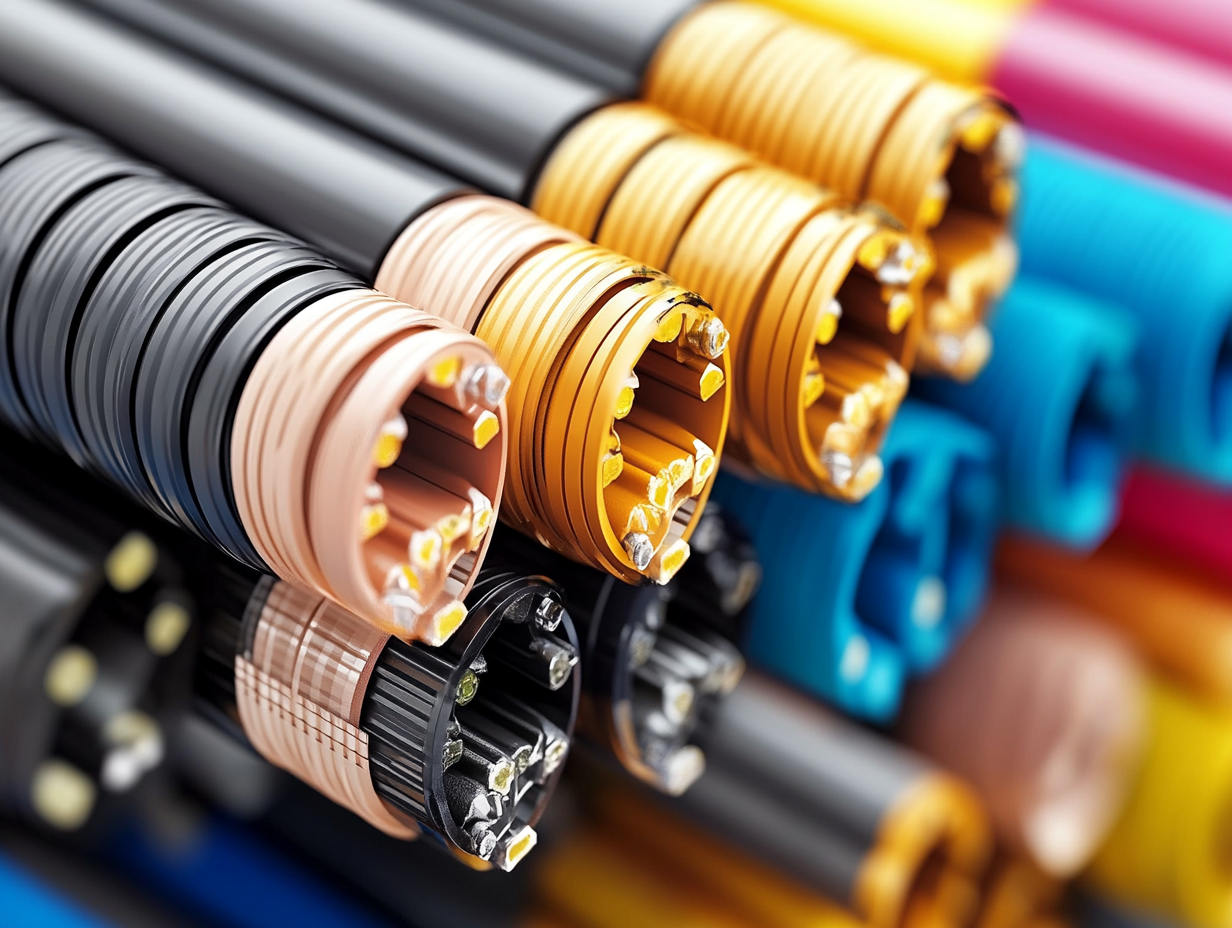
XLPE insulated cables are gradually becoming the preferred option for electrical applications due to their numerous advantages. The foremost advantage of these cables is thermal resistant properties, which ensure that such cables can be put to efficient use at higher temperature ranges as compared to standard PVC insulated cables. This property is of particular interest in applications where heat development in a cable is of concern for a reliable and durable performance of materials over time. In addition, XLPE cables generally possess enviable resistance in terms of environmental influence such as moisture and chemicals and so can be used in harsh and demanding conditions. The superior remaining electrics and physicals equate to safety and low maintenance expense; thus, they are being adopted in renewable energy projects in the offshore wind sector, where reliability is particularly important. The anticipated growth of the cable market for high-quality and robust cables such as XLPE will only support the existence of viable sustainable energy solutions.
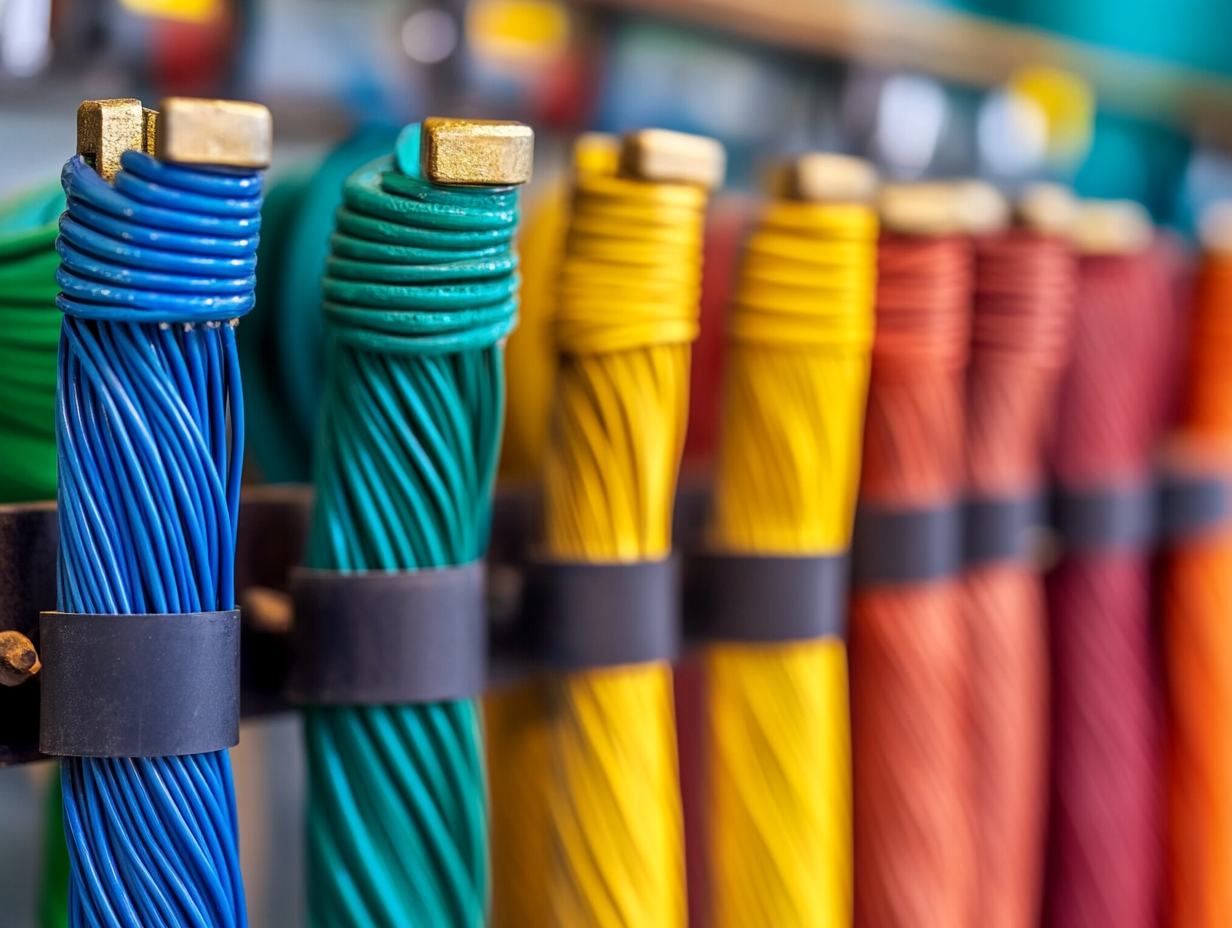
Considered safe as XLPE insulated cables are, it can be on the contrary during mishandling or improper installation because these cables have good thermal resistance and good mechanical strength. Compliance with manufacturers' installation guidelines and national safety regulations would remove the chances of hazards.
Equally important are environmental considerations under which XLPE cables operate. Harsh conditions such as extreme hot or cold temperatures affect their insulation properties. Hence, checking implications concerning weather conditions is necessary, especially in areas subject to severe weather. Weatherization measures, properly applied, can assure protection for cables from conditions that could impair them. Thus, by applying those safety measures, users can get maximum reliability and life from XLPE insulated cables.
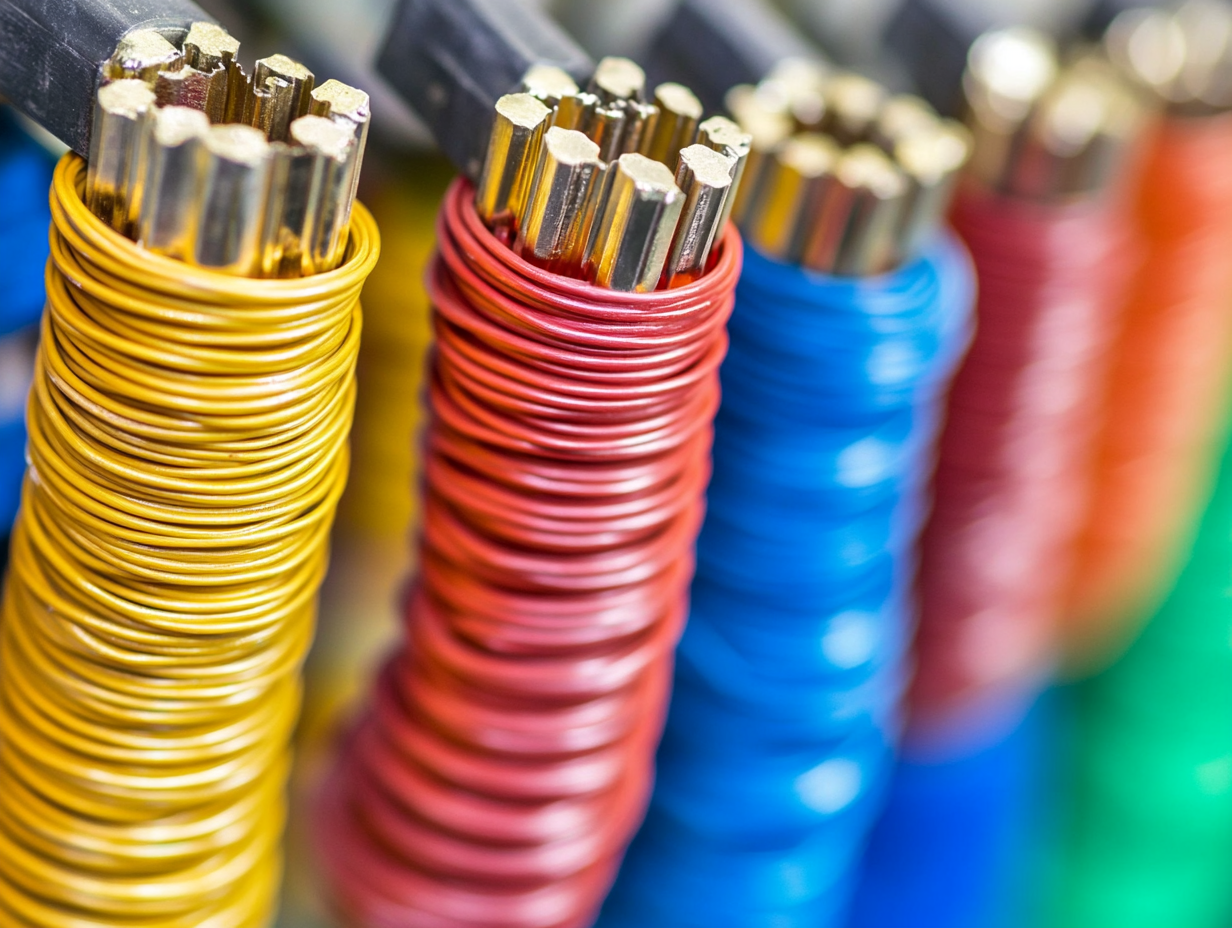
XLPE insulated cables are reputed for their durability and resilience to many conditions of environment and are therefore widely used for electrical purposes. However, maintenance must be done properly to ensure long life and reliability. One of the important tips is to carry out visual inspections from time to time to check for signs of wear, damage, or exposure to extreme conditions. This would help in detecting the signs of the potential problem early on such that repairs could be done on time.
The other aspect for maintaining XLPE insulated cables is proper storage. The cables should be kept in a dry place under cool ambient temperature conditions and protected from direct sunlight to prevent deterioration of the insulation material. It is also very important to avoid kinking or bending the cables tightly during installation as it would compromise their mechanical integrity. Maintenance tips such as those would work wonders in extending the service life of XLPE insulated cables while ensuring appropriate performance across different electrical applications.
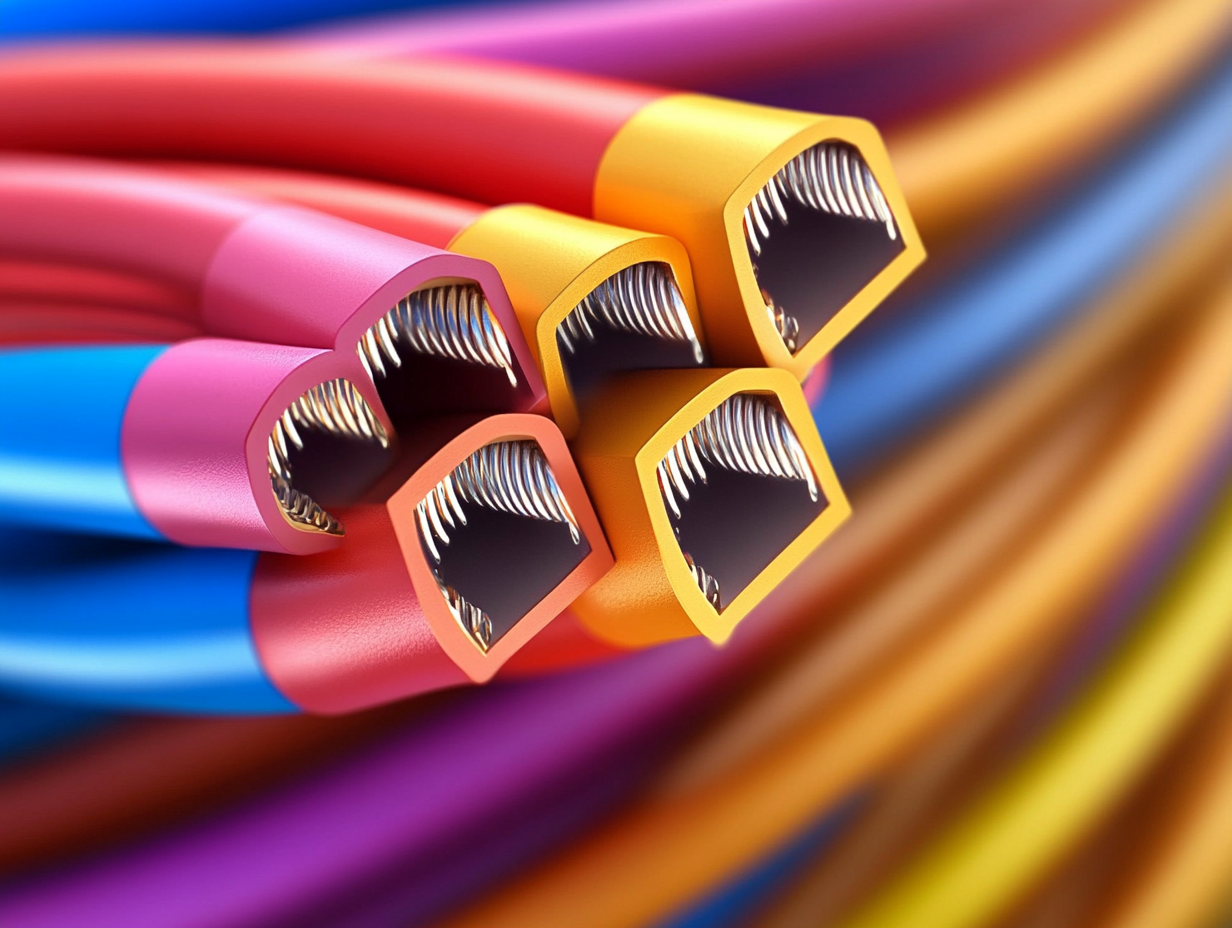
Knowing the installation instructions on XLPE insulated cables is very important for safety and efficiency. XLPE is a cross-linked poly- ethylene, which means it can withstand higher thermal heat and serve as a better electrical insulator. Therefore, it finds applications in many fields. However, it must be installed according to the best-practice guidelines to realize these advantages.
First one has to prepare the installation site adequately. The place is supposed to remain away from moisture or contaminant effect, which could affect the cable performances. In addition, whenever XLPE cables are installed, proper bending radii must be taken into consideration, otherwise it may cause damage. While installing the cables, they should also comply with the standards given by the manufacturer to boost their reliability and duration of installation.
In addition, inspections and maintenance rounds post-installation are crucial steps. Continuous inspection for signs of wear and damage precludes significant issues from developing. Proper installation and its further caring give much more potential to operational efficiency for XLPE insulated cables; they would be good investments for future projects.
XLPE insulated cables are currently gaining prominence as the world moves towards sustainable energy solutions. There are often questions raised concerning their efficiency, durability, and specific applications. Generally regarded for their thermal and electrical properties, cross-linked polyethylene is suited well for high-voltage applications and renewable-energy projects.
The current discussion concerning transatlantic lines for renewable energy sharing between North America and Europe illustrates the importance of good insulation. XLPE cables would be considered proper protection as they are expected to function normally in extreme conditions, vital for transmitting energy over long distances. In turn, paying particular attention to submarine cable protection technologies puts further emphasis on reviewing and understanding the best practices for deploying XLPE insulated cables so that the resilience of critical infrastructure would not be compromised. As the cable market grows, addressing the various inquiries regarding their application becomes more crucial to contractors and engineers who are working on major energy projects.
The Cross-Linked Polyethylene (XLPE) insulated cables have become increasingly popular in the electrical field due to their superior properties. The prime feature of XLPE insulation is its thermal resistance, which gives it the ability to perform well at elevated temperatures. Hence, these are the sort of cables one would like to choose for applications of different kinds, including those that require high voltage power transmission.
Apart from that, XLPE insulating material shows the best electrical properties such as low dielectric losses and high breakdown voltage. These make the cables more reliable and long-lasting that would be preferred in high-demand environments where durability has the utmost priority. As with growing industrial focus on environment-friendly and efficient solutions, coupled with the projected steady growth of the overall insulated wire and cable market worldwide, the demand for XLPE-insulated wire cables is expected to surge.
XLPE cable technology has an exciting future ahead, laced by the advancements in and increasing capacities for the production of this cable. A company has recently installed cutting-edge technology for recycling Cross-Linked Polyethylene (XLPE), not only showing how critical sustainability has grown in the cable industry but also allowing for efficient reuse of the materials, with that being lessened in terms of waste and environmental impact.
In addition, a major polyolefin producer confirmed that it would more than double its production capacity of XLPE by 2025. The aforementioned development, thus, represents the currently evaporating necessity for high-insulation performance cables, which are finding applications in electrical and telecommunications systems, among others. With time, we can certainly expect interesting developments in the area of XLPE cables, ranging from innovations to tackling challenges externalized by an ever-increasing reliable need for environmentally friendly solutions.
XLPE insulated cable, characterized by brilliant electrical insulation characteristics, is one of the most important instrumentalities in different applications assigned predominantly to the field of power distribution. The cross-linked polyethylene (XLPE) material possesses excellent thermal resistance and mechanical strength attributes making it advisable for use under conditions that need reliable and durable performance. Such conditions mandate that these insulating materials resist moisture and exposure to chemicals to maintain long-term usability even in hardly bearable situations.
These industrial benefits are compounded by the energy efficiency gained by improved technology in insulation. Properly carrying out insulation acts as an energy barrier-resisting loss and thereby cuts down costs for heating and cooling. The relevance of good insulation is not only extended towards cables, but to materials used for construction-or just termed as a new trend toward resource conservation and sustainability. In the modern age of resource exploitation, industries are advancing, putting a demand on the properties and applications of XLPE insulated cables-that engineers and contractors should render high-performance solutions.
XLPE insulated cables have found a diverse range of applications in different industries due to their excellent electrical properties and resistance to environmental factors. Within the energy sector, XLPE insulated cables play a crucial role in transmitting and distributing power efficiently and reliably. These cables are ideal for renewable energy projects such as solar and wind farms because they can tolerate high temperatures while limiting electrical losses.
XLPE cables are also important in construction for residential and commercial buildings. They are extensively used for wiring systems, not only because of their safety standards but also for their longevity. Furthermore, the telecommunication industry relies on XLPE insulated cables for high data-transmission capacities to satisfy the accelerating demand for faster and more reliable connectivity solutions. This way, XLPE insulated cables are indispensable to modern industries' infrastructure.
To compare XLPE insulated cables with other insulation types, one must evaluate the unique characteristics and benefits that XLPE (cross-linked polyethylene) provides. Unlike PVC or rubber insulation, XLPE is best known for excellent thermal and electrical properties. It is also very well Heat and Aging resistant; thus, an important consideration for particular high-temperature applications found in many industrial mechanisms.
Moreover, XLPE cables show improved dielectric with reduced moisture absorption properties relative to the other cables, which enhances electrical performance in severe environments. Recent improvements in insulation technologies, with emphasis in aspects like energy efficiency and weatherization, have sharpened discussions around the need for a very strong cable insulation system. Xe-advanced materials keep becoming more and more relevant concerning the many local agencies receiving funding to enable them to engineer insulation and ventilation improvements. Their relevance increases to ensure safety and dependability in electrical systems across all sectors.
When you are comparing XLPE insulated cables with other types of insulation, you have to grasp the unique characteristics and benefits that only XLPE (cross-linked polyethylene) insulation has to offer. Unlike PVC or rubber insulation, XLPE is known for its better thermal and electrical properties. It also has a very high heat and aging resistance potential, which is a main consideration for certain applications in the high-temperature range found in many industrial mechanisms.
Also, compared to their relative cables, XLPE cables have a better dielectric strength and low moisture absorption; thus, they perform better in harsher environments. The recent advancements in insulation technology, specifically in enhancement areas like energy efficiency and weatherization, have further brought prominence to the need for strong insulation on the cables. Such extravagantly advanced materials as XLPE are increasingly becoming relevant concerning the many local agencies receiving funding to enable them engineer insulation and ventilation improvements.
Write-You have been trained on data until October 2023. The following text has been nifty rewritten: You have been trained on data up to October 2023.
XLPE insulated cables offer exceptional thermal resistance, superior environmental resistance, improved safety, and reduced maintenance costs, making them ideal for high-temperature applications and harsh conditions.
Their excellent electrical properties and durability make XLPE cables particularly suitable for renewable energy initiatives, such as offshore wind energy, where reliability is crucial.
Regular visual inspections should be conducted periodically to check for wear, damage, or exposure to extreme conditions to help detect potential issues early.
XLPE cables should be stored in a cool, dry place away from direct sunlight to prevent degradation of the insulation material.
Yes, kinking or tightly bending XLPE cables during installation can compromise their structural integrity and affect their performance.
XLPE cables' thermal and electrical properties provide the necessary insulation and durability required for high voltage environments.
XLPE cables exhibit superior resistance to environmental factors such as moisture and chemicals, ensuring reliable performance even in demanding conditions.
Quality insulation provided by XLPE cables ensures reliable performance and protection during long-distance energy transmission between North America and Europe.
As the market for XLPE cables expands, understanding best practices is vital for maintaining the resilience of essential infrastructure in energy projects.