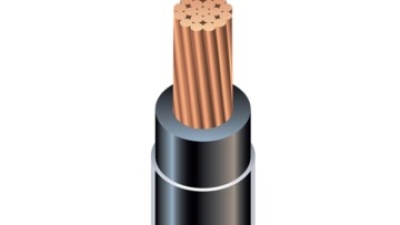
Lately, we've seen how new and innovative uses of aerial wire are really changing the game across different industries. They're helping boost efficiency and push for more sustainable practices at the same time. You know, aerial wires are pretty essential for running overhead electrical lines and communication systems. And it’s pretty exciting because their use is spreading into sectors like telecom, energy distribution, and transportation. This opens up some pretty cool opportunities for companies like HENAN TINDE POWER CO., LTD. — those guys are experts in installing power equipment, wires, cables, and accessories. With a solid background in designing, researching, and selling power gear, HENAN TINDE POWER is actually well-positioned to take advantage of these advancements in aerial wire tech. They’re ready to meet the increasing needs from both industrial and commercial clients, helping modernize infrastructure and make operations run smoother. As we explore more about how aerial wire is being used, it’s clear it plays a key role in shaping the future of industries around the world.

The Evolution of Aerial Wire Technology in Industrial Applications
You know, the way aerial wire tech has evolved really shook things up across different industries—especially in telecom and power distribution. As these industries grapple with the need for better efficiency and faster connectivity, innovations in aerial wires are becoming more and more essential. I came across a report by the International Electrotechnical Commission (IEC) that forecasts the global market for aerial transmission lines to hit around $15.3 billion by 2025. That’s mainly thanks to new materials and smarter designs that make high-voltage wires perform way better.
Lately, there’s been some exciting stuff—like lightweight, durable composite materials that have cut down installation and maintenance costs quite a bit. For example, I remember reading about a utility company that managed to slash their operational expenses by about 30% after switching to these high-tech aerial wires. Plus, with the rise of smart grid tech, aerial wires can now be monitored and managed in real time, which has really boosted reliability and cut down on power outages. That’s a huge deal for industries that depend on a steady power supply.
Moving forward, as this technology keeps improving, it’s not just going to benefit traditional sectors but will also help turbocharge new industries like renewable energy and smart cities—that’s pretty exciting stuff kinds of changes are happening!
Key Industries Leveraging Aerial Wire Solutions for Enhanced Connectivity
You know, aerial wire technology has really become a game-changer for lots of modern industries. It’s all about making connections quicker and easing up on operations. Take telecommunications, for example—they’re really jumping on this bandwagon because with everyone suddenly needing super-fast internet and reliable cellphone services, aerial wires help roll out new broadband networks a lot faster. Instead of digging up the entire city or countryside, telecom companies can just string the wires overhead, saving a ton of time and money, while still keeping everything running smoothly, whether they’re working in busy urban areas or out in the middle of nowhere.
And it’s not just telecoms. Farmers are also catching on to this tech. They’re using aerial wires to connect all those IoT gadgets across huge fields—things that check soil moisture, crop health, weather updates—basically giving them real-time data to make smarter decisions. The best part? The strong connection from the aerial wires keeps these devices working without a hitch, which means better yields and more eco-friendly farming practices.
Even the energy industry benefits. Utility companies are using aerial wires to distribute power, especially in remote spots where building traditional infrastructure would be either super expensive or just plain tough. This not only makes sure people get their electricity more reliably but also helps integrate renewable energy sources—like solar panels and wind turbines—into the grid with less environmental fuss. All in all, aerial wires are really opening up a lot of possibilities across different fields, making everything more efficient and sustainable.
Case Studies: Real-world Examples of Aerial Wire in Action
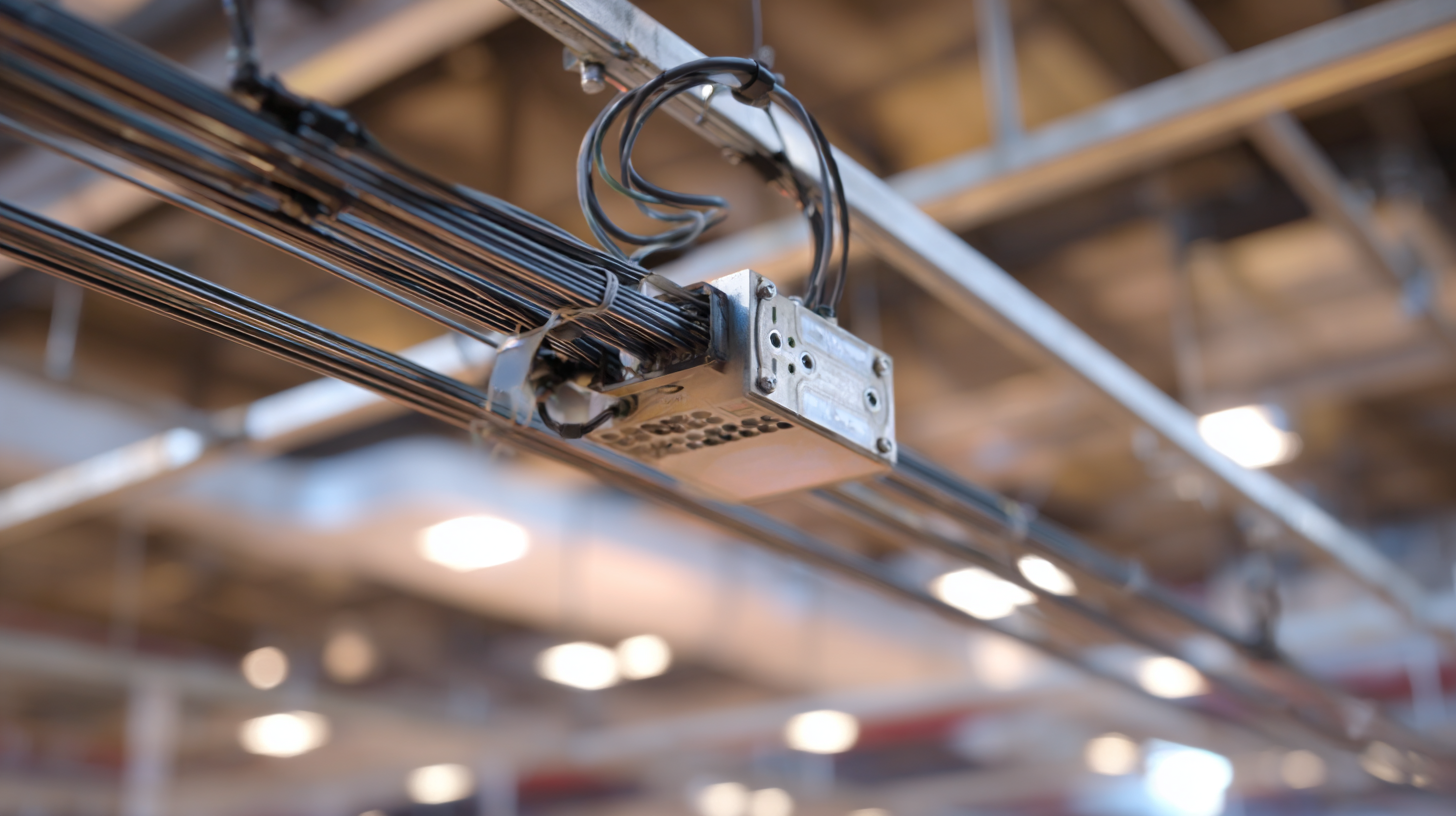
You know, aerial wire tech has really shaken things up across a bunch of industries. It's opened up some pretty cool new ways to tackle issues around communication and power distribution. Take the telecom world, for example — aerial wires make it way easier and faster to roll out internet and phone services, even out in the countryside or remote spots. I read in a report from the International Telecommunication Union (ITU) that countries using these aerial systems have cut down installation times by up to 25%, compared to the old underground setup. That’s a huge boost for getting folks connected faster, and honestly, it also boosts the economy by making digital resources more accessible to everyone.
On the energy side of things, aerial wires are crucial for making electricity distribution more efficient. Some case studies show that utility companies who’ve gone with this tech are now more reliable — like, their service reliability’s gone up by around 30%. This means fewer blackouts when storms hit, which is a big deal. Plus, data from the U.S. Department of Energy shows that about half of new renewable energy projects are choosing aerial systems. It’s not just about going green — it also makes maintenance simpler and less costly.
**Quick tip**: When you're thinking about setting up aerial wires, make sure you consider your local environment. That can really influence how you plan your installation and what materials you should use to make sure everything works smoothly and lasts long.
**Another tip**: It’s a good idea to team up with experts early in the planning process. They can give you some solid advice, help spot best practices, and suggest smart ways to tailor the setup to your specific industry needs.
Innovative Applications of Aerial Wire in Modern Industries - Case Studies: Real-world Examples of Aerial Wire in Action
| Industry |
Application |
Benefits |
Case Study Example |
| Telecommunications |
Aerial Fiber Optic Deployment |
Enhanced data transmission speeds, cost-effective installation |
Deployment in urban environments to improve connectivity |
| Utilities |
Electric Power Distribution |
Reduced downtime, quicker maintenance access |
Use of aerial wire to replace traditional underground lines |
| Construction |
Material Transportation |
Increased efficiency in moving materials on-site |
Utilization of aerial wire systems to lift heavy loads in urban areas |
| Agriculture |
Crop Monitoring and Irrigation |
Real-time data collection, improved crop yield |
Aerial wire used for sensor installations across large farms |
| Transportation |
Aerial Cargo Transport |
Faster logistics, flexible delivery options |
Pilot projects showcasing air delivery systems in remote areas |
Market Trends: Growth Forecast for Aerial Wire Usage in Modern Sector
Hey, have you noticed how the aerial wire market is really booming right now? It’s mainly because of all the cool advancements happening across different industries. For instance, the RF-over-Fiber market is expected to hit nearly a billion dollars — around $981 million — by 2029. That’s pretty wild! It seems like more companies are turning to aerial wire solutions to boost their communication and data transfer capabilities. And interestingly enough, the Asia Pacific region’s leading the way, with rapid tech adoption expected to give it the highest growth rate overall.
But it’s not just communication systems. Even in sectors like military aviation, demand is climbing steadily. The military aircraft market alone is projected to jump from about $48 billion in 2024 all the way up to roughly $76 billion by 2034. That’s a big leap, and it really shows how crucial aerial wire systems are becoming for advanced military ops and drone technology. Speaking of drones, the UAV market is expected to hit around $120 billion by 2032 — talk about a game-changer! All in all, it’s pretty clear that aerial wire tech isn’t just a niche anymore; it’s shaping up to be a key part of how modern industries operate across the board.
Innovative Applications of Aerial Wire in Modern Industries
This chart illustrates the projected usage of aerial wire across various modern industries, indicating strong growth particularly in telecommunications and power distribution sectors.
Comparative Analysis: Aerial Wire vs. Traditional Cabling in Industry Efficiency
You know, in today’s industries, shifting from traditional cables to aerial wire technology really marks a big step forward in how efficiently things run. Aerial wires have become a pretty handy alternative, especially in areas like medical, agriculture, and transportation, where wireless power transfer (or WPT) is a game-changer. Unlike those old-school cords that can be a real hassle and limit movement or growth, aerial wires offer way more flexibility and easier access—definitely more suited for today’s fast-paced world.
When you compare aerial wiring to the standard cables, it’s clear that the newer stuff has some solid advantages. For example, aerial wires help keep workplaces tidier — no tangled cords on the floor! That’s a big safety plus, right? Plus, as companies aim for more sustainable ways of working, aerial wires help cut down on energy use and maintenance costs, which is a total win for overall efficiency.
Quick Tips for Making It Work:
- Try to integrate aerial wire systems with what you already have—no need to do everything all at once.
- Make sure your team gets how awesome aerial wires are and train them properly so the switch isn’t a headache.
- Keep an eye on how the aerial system is doing over time—regular check-ups can spot issues early and keep everything running smoothly.
As industries keep pushing forward with new tech, it’s pretty clear that more folks will prefer aerial wiring over old-style cables. That shift will definitely lead to better
reliability and
efficiency in the long run.
Future Innovations: Emerging Technologies in Aerial Wire Development
You know, the rapid push of new tech has totally reshaped how industries operate these days—especially with the rise of aerial wire tech. Companies are looking for ways to make their procurement processes smoother, and that’s where innovations in aerial wiring really come into play. It’s pretty exciting, really—think about how drones are now being used for delivery and maintenance tasks, which has made things way more efficient and helped cut costs. It’s a game-changer!
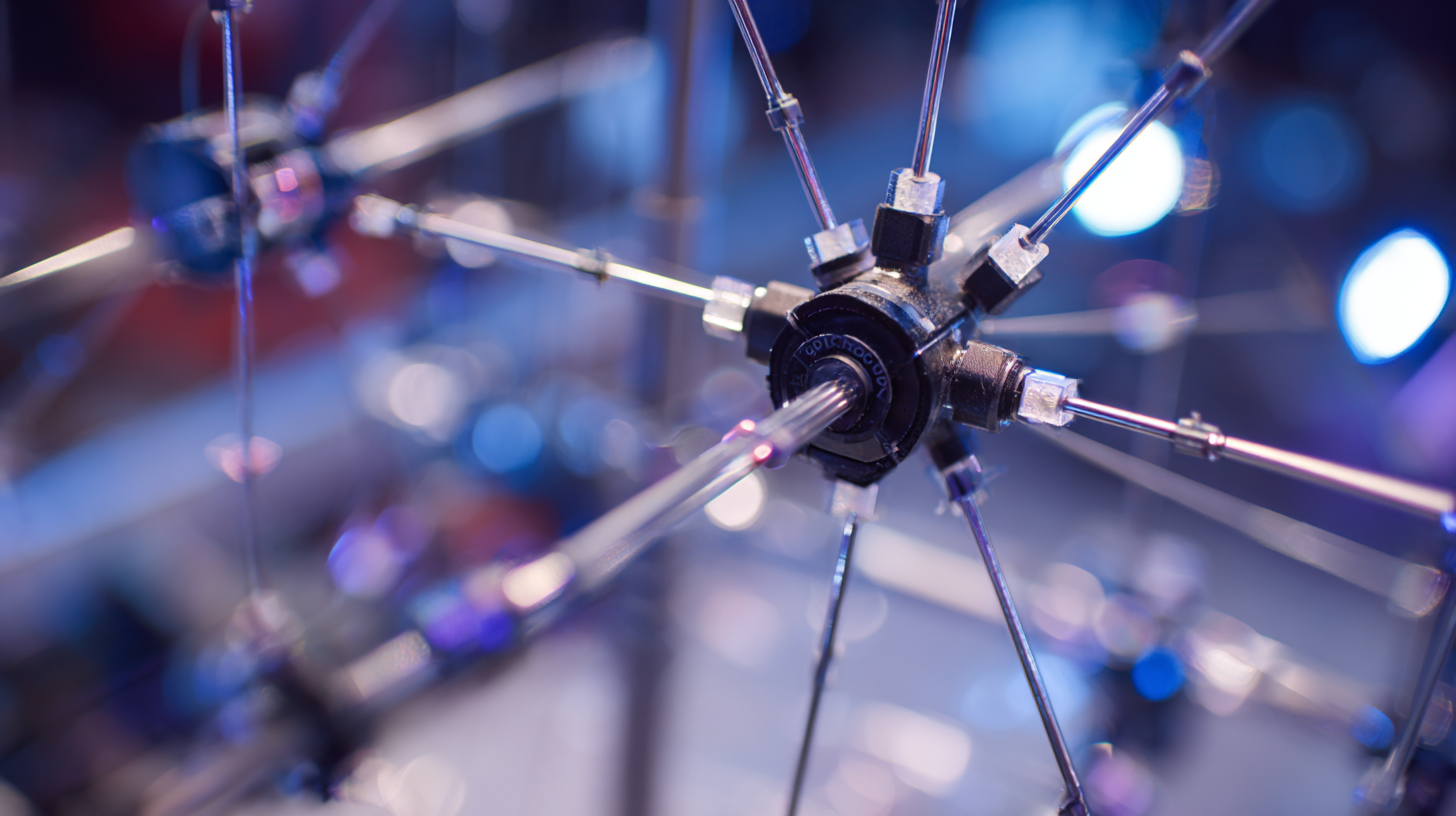
On a broader scale, especially with the national low-altitude economic strategy, more and more businesses are tapping into these aerial wire systems. They’re trying to mix practicality with cutting-edge tech to come up with smarter, faster solutions—things that let them deploy and use complex aerial infrastructures more easily. The development of smarter wiring systems and better aerial connectivity isn’t just a fad; it’s shaping how power equipment gets installed and maintained down the line. For companies in the power sector, this means hitting some pretty important targets. All this new tech isn’t just about efficiency—it’s also about helping industries keep up with the quickly changing market demands. Pretty cool, right?
Choosing the Right ASTM UL Thermoplastic High Heat Resistant Nylon Coated THHN Wire for Your Electrical Projects
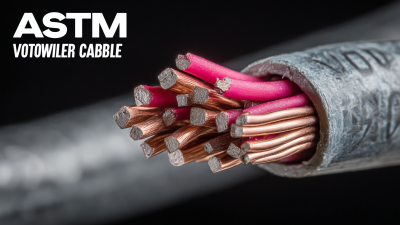
When embarking on electrical projects, choosing the right type of wire is crucial for ensuring safety and efficiency. The ASTM UL Thermoplastic High Heat Resistant Nylon Coated THHN wire offers unique benefits that make it a popular choice among electricians and contractors. This single conductor wire boasts PVC insulation and a durable nylon jacket, which not only provides superior heat resistance but also ensures durability against moisture and mechanical abrasion.
For projects requiring a reliable wire capable of withstanding high temperatures, THWN or THWN-2 wire emerges as an excellent alternative. While similar to THHN, THWN is specifically designed for wet locations, making it versatile in various installation environments. The enhanced version, THWN-2, further elevates the performance by supporting temperatures up to 90°C (194°F), making it suitable for extremely hot conditions typically found in industrial settings.
According to industry reports, proper wire selection can significantly impact the longevity and safety of electrical installations. The National Electrical Code (NEC) emphasizes the importance of using thermoplastic wires that meet specific ASTM standards to avoid potential hazards associated with heat exposure and moisture. Therefore, understanding the distinctions and applications of THHN, THWN, and THWN-2 will ensure that professionals make informed decisions that enhance the quality and performance of their electrical projects.
FAQS
: The global aerial transmission line market is projected to reach $15.3 billion by 2025.
Recent advancements include the use of lightweight and durable composite materials that reduce installation and maintenance costs.
There was a highlighted 30% decrease in operational expenses through the deployment of advanced aerial wire systems.
Smart grid technology enables real-time monitoring and management of power distribution, improving reliability and reducing outages.
Aerial wires provide significant advantages, including enhanced flexibility, reduction of clutter, and lower energy consumption, leading to improved operational efficiency.
Aerial wire technology benefits various industries, including telecommunications, power distribution, medical, agriculture, transport, renewable energy, and smart cities.
Industries should consider integrating aerial wire systems with existing infrastructure to maximize benefits and should train staff on their advantages and proper utilization.
Aerial wires contribute to reduced energy consumption and maintenance costs, which aligns with sustainable practices in modern industries.
Improved reliability and reduced outages are crucial factors enabled by the integration of aerial wire technology.
Regularly assessing the performance of aerial wire installations can help identify areas for improvement and ensure long-term efficacy.
Conclusion
In today’s world, aerial wire technology has really started to change the game when it comes to staying connected and working efficiently. You see, industries like telecom, transportation, and renewable energy are all turning more and more to aerial wire solutions to handle their increasing needs for reliable connectivity. If you look at some real-world examples and case studies, it’s clear that aerial wires often beat traditional cables—they’re easier to install, easier to maintain, and overall, just work better in many ways.
The market for these aerial wires is definitely trending upward too. Experts are predicting more widespread adoption across different sectors, which is pretty exciting. Looking ahead, it’s clear that ongoing innovations and new tech in aerial wiring will keep pushing industries forward. Companies like HENAN TINDE POWER CO., LTD. are really stepping up to the plate, actively involved in designing and installing power equipment and wire solutions. They’re committed to using aerial wires to boost industrial performance and help improve connectivity everywhere.
All in all, it’s an exciting time for aerial wire technology, and it seems like its role in industry is only going to grow from here.