You know, in today's crazy fast-paced industrial world, it's tough to keep up, and there's this huge need for dependable and efficient power distribution solutions. That's where the AS-NZS Standard Middle Voltage Power Cable steps in. It's super important for keeping everything safe and performing well in all kinds of power systems. Industry reports are buzzing about how the global market for medium voltage cables is expected to grow a ton, mainly because everyone’s pouring money into renewable energy and building up our infrastructure. HENAN TINDE POWER CO., LTD., which is a top-notch manufacturer based in Zhengzhou, China, is all about delivering high-quality products that meet those tough international standards. They really know their stuff when it comes to installing, researching, and designing power equipment. With their AS-NZS Standard Middle Voltage Power Cables, they not only ramp up operational efficiency but also make sure everything sticks to the highest safety regulations. So, when you’re looking for something reliable for industrial needs, they've got you covered.
Understanding the Importance of AS-NZS Standards in Medium Voltage Cables for Industry
When it comes to industrial applications, medium voltage cables are super important for keeping everything running smoothly and safely. The AS-NZS standards are really helpful because they give us a solid set of guidelines that make sure these cables are high-quality, reliable, and safe to use. By sticking to these standards, industries can cut down on risks related to electrical issues, which is a big win for both workers and equipment. Plus, those AS-NZS standards do more than just check off a box—they guarantee that the cables can handle all sorts of environmental challenges while still performing their best.
So, if you're in the market for medium voltage cables, there are a couple of things you wanna keep in mind. First up, make sure the specs of the cables match the necessary AS-NZS standards; this is key for ensuring safety and efficiency. Next, take a good look at the environment where the cables will be used. Things like temperature, moisture, and exposure to chemicals can really change how well the cables perform. And don’t forget, chatting with industry experts or the manufacturers can be a game-changer. They know the ins and outs of AS-NZS regulations, so they can help you make smart choices that keep you compliant and functional.
With these tips in mind, you’ll be all set to really amp up the efficiency of your operations while using top-notch AS-NZS standard medium voltage power cables. This strategy not only helps your cables last longer but also creates a safer workspace in industrial settings.
Maximizing Efficiency with Best AS-NZS Standard Middle Voltage Power Cable in Industrial Applications
This chart illustrates the efficiency ratings of various AS-NZS standard medium voltage power cables used in different industrial applications. The data compares the performance efficiency across various environments, highlighting the importance of adhering to AS-NZS standards in selecting power cables for optimal performance.
Key Characteristics of High-Performance AS-NZS Standard Medium Voltage Power Cables
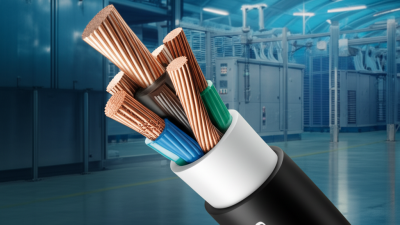
When it comes to industrial applications, the choice of medium voltage power cables can significantly impact operational efficiency and safety. The AS-NZS standard medium voltage power cables are designed to meet rigorous performance criteria that ensure reliable power distribution in demanding environments. These cables are characterized by their robust construction, which typically includes high-quality insulation materials like XLPE, designed to withstand extreme temperatures and resist environmental stresses such as moisture and chemicals. This durability not only extends the service life of the cables but also reduces operational downtime due to maintenance or failures.
Another key feature of high-performance AS-NZS standard medium voltage power cables is their exceptional electrical performance. With low dielectric losses and high thermal conductivity, these cables facilitate efficient energy transmission, minimizing energy wastage. Additionally, their design often incorporates features that enhance mechanical protection, such as armoring or sheath materials that can endure mechanical impacts. This combination of durability and efficiency makes them an ideal choice for industries ranging from manufacturing to renewable energy, where reliable power supply is critical for productivity and operational success.
Maximizing Efficiency with Best AS-NZS Standard Medium Voltage Power Cable in Industrial Applications
| Characteristic |
Description |
Importance in Industrial Applications |
| Conductor Material |
Copper or Aluminum |
High conductivity and durability, ensuring minimal energy loss. |
| Insulation Type |
Cross-linked Polyethylene (XLPE) |
Provides excellent thermal and electrical properties, suitable for high voltages. |
| Voltage Rating |
Up to 36 kV |
Ensures safe and efficient transmission of medium voltage power in industrial settings. |
| Temperature Rating |
-40°C to 90°C |
Allows operation in diverse harsh environments without compromising performance. |
| Length Options |
Available in various lengths (up to 1500 m) |
Flexible installation options for different industrial applications. |
| Fire Resistance |
Low Smoke, Zero Halogen (LSZH) |
Improves safety in case of fire, reducing toxic emissions. |
Maximizing Energy Efficiency: How to Choose the Right Cable for Your Industrial Needs
Alright, let’s talk about picking the right middle voltage power cable for your industrial needs. It’s super important to make smart choices here because it can really boost your energy efficiency. There are these AS-NZS standards out there that give some great guidelines to keep things safe and performing well. But honestly, getting to grips with the specific requirements of your operation? That’s where the magic happens!
**Tip 1:** First off, take a good look at the load requirements for your application. This will pretty much tell you what size and type of cable you need. Finding the right match helps you minimize energy loss and keeps everything running smoothly.
**Tip 2:** Next, don’t forget about the environment where you’ll install the cable. Think about stuff like temperature, humidity levels, and any chemicals it might come into contact with. Choosing a cable that’s built to handle those specific conditions is key. It really boosts durability and overall efficiency.
And one last thing: make sure the cable you pick meets those AS-NZS standards. They’re not just about safety; they also play a huge role in how well your installation will perform in the long run. By keeping these factors in mind, you can strike that perfect balance between performance and reliability in your industrial power systems.
Cost-Benefit Analysis of AS-NZS Standard Medium Voltage Cables in Long-Term Operations
When it comes to industrial settings, you really can’t underestimate the importance of efficiency and reliability, especially with medium voltage power cables. That’s where HENAN TINDE POWER CO., LTD. comes in! They’re all about delivering top-notch AS-NZS standard medium voltage cables. These cables not only check all the regulatory boxes but also promise longevity and stability for electrical systems. When industries invest in these quality cables, they’re actually setting themselves up to run smoother and cut down on those annoying downtimes.
Now, let’s talk dollars and cents for a second. Sure, the upfront cost of these high-quality AS-NZS standard cables might sting a bit, but trust me, the long-term savings are totally worth it! Think about it – fewer maintenance costs, less need for repairs, and just overall better performance. A little investment goes a long way, getting you a real return on your investment in the long run. It’s definitely the smart play if you want to keep your operations running smoothly.
Tip 1: Always remember to factor in the total cost of ownership when picking out your power cables. This includes installation, maintenance, and yes, potential downtime too.
Tip 2: Make sure those cables meet the latest AS-NZS standards. It’s all about keeping everyone safe and ensuring compliance, which is crucial for both your people and equipment.
Tip 3: Don’t hesitate to chat with experts like HENAN TINDE POWER CO., LTD. They can help you find solutions that fit your specific needs and really crank up your efficiency.
Emerging Technologies: Innovations in AS-NZS Medium Voltage Power Cables for Enhanced Performance
You know, the world of medium voltage power cables is really changing fast these days. It’s all thanks to some pretty cool innovations that are boosting efficiency and performance, especially for industrial use. With new technologies hitting the scene, we've seen AS-NZS standard medium voltage power cables evolve, making it easier to integrate renewable energy systems seamlessly into our setups. And get this—recent trends show that the low voltage cable market is projected to jump from around USD 161.75 billion in 2025 to a whopping USD 284.25 billion by 2035, which is an annual growth rate of 5.8%! That really highlights how essential advanced cable solutions are going to be in pushing sustainable energy initiatives forward.
Now, in Australia, the rise of offshore renewable energy systems (ORES) is a double-edged sword—it brings a lot of exciting opportunities, but also some challenges we need to sort out. Right now, the regulatory frameworks just aren't quite keeping up with the structural integrity and reliability that these new technologies require. If we really want to tackle these challenges, we need to put some focus on improving the performance of our AS-NZS medium voltage power cables. By embracing innovative materials and designs, we can not only boost efficiency but also make sure that our infrastructure is ready for the increasing demands of renewable energy projects. In the long run, this will drive forward progress in industrial applications, and that’s something we all can get behind!
Best Practices for Installing AS-NZS Standard Medium Voltage Cables in Industrial Settings
So, when you're putting in those AS-NZS standard medium voltage cables in industrial spots, you really wanna pay attention to the little things if you want everything to run smoothly and stay safe. One solid tip is to carefully map out the cable routing. Don't forget to think about things like other utilities that might get in the way, the environment around, and how easy it’ll be to reach for maintenance later on. A well-planned layout not only helps minimize the chances of damage but also keeps everything running at its best by cutting down on energy losses.
Now, let’s not gloss over proper cable terminations—that’s super important too! Using good-quality connectors and sticking to the manufacturer’s instructions can really boost how long your installation lasts and how reliable it is. And hey, don’t forget about regular check-ups! You should schedule inspections and testing to keep an eye on the cable's integrity and connections, just to catch any problems before they turn into something major. Following these best practices not only gives you a strong electrical system that can handle the hustle and bustle of industrial life, but it’ll also keep you in line with AS-NZS standards.