The development of Medium Voltage (Mv) Power Cables really plays a huge role in today’s energy scene. They’re at the core of making electrical distribution systems more efficient and reliable. I mean, the International Energy Agency (IEA) even says that investments in Mv power infrastructure could hit around $200 billion by 2025 — that’s a clear sign of how much people are craving sustainable energy solutions these days. For anyone involved in electrical projects, understanding the different kinds of Mv power cables isn’t just helpful, it’s kinda essential.
Dr. John Thompson, who’s pretty much an authority on power cable technology, stresses how important it is to pick the right cable type. He’s quoted saying, “Choosing the right Mv Power Cable can really boost system performance and help it last longer.” His point hits home because, as technology keeps evolving, so do the design and standards for these cables. When you look at the top 10 types of Mv Power Cables, it’s clear that knowing what’s out there isn’t just a bonus — it’s necessary if you want your projects to turn out well. This guide's all about breaking down the key features and uses of each type, so everyone involved can make smarter choices based on what they need for their specific project.
Top 10 MV Power Cable Types for Various Electrical Applications
Medium Voltage (MV) power cables are essential components in electrical distribution systems, catering to a variety of applications ranging from industrial to commercial sectors. These cables typically operate at voltages between 1 kV and 36 kV, making them suitable for the transportation of electricity over moderate distances. According to a report by Research and Markets, the medium voltage cable market is poised to grow significantly, driven by increased investments in smart grid technologies and renewable energy sources. This growth underscores the importance of understanding the various types of MV power cables available today, as they play a critical role in maintaining efficient and reliable electrical infrastructure.
In the realm of electrical applications, MV cables can be categorized based on insulation materials and construction types. For instance, Polyvinyl Chloride (PVC) insulated cables are widely used in urban construction projects due to their flexibility and resistance to moisture. Alternatively, Cross-Linked Polyethylene (XLPE) insulated cables offer superior thermal and electrical properties, making them ideal for underground installations in harsh environmental conditions. According to the International Electrotechnical Commission (IEC), the demand for XLPE cables is expected to increase by approximately 4% annually, reflecting their growing popularity in demanding applications. Understanding these distinctions is vital for selecting the appropriate cable type, ensuring optimal performance and safety in various electrical environments.
Understanding the Construction of Medium Voltage Power Cables
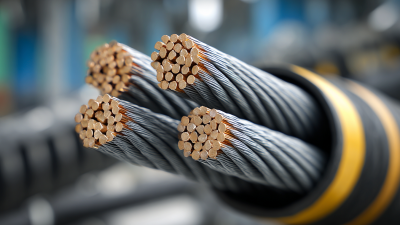
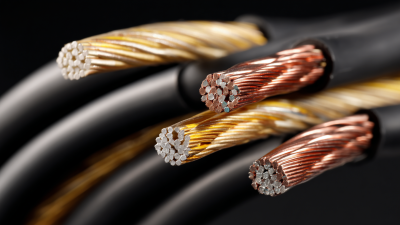
Medium voltage (MV) power cables are essential components in electrical systems, typically defined as cables that operate within voltage ranges of 1 kV to 35 kV. Understanding their construction is crucial for ensuring safety, reliability, and efficiency in power distribution. A standard MV power cable consists of five primary components: the conductor, insulation, shielding, the outer sheath, and an optional armoring layer.
The conductor is usually made from copper or aluminum, chosen for its excellent electrical conductivity. Surrounding the conductor is insulation, which serves to prevent electrical leakage and protect the cable from environmental hazards. Different materials are used for insulation, including cross-linked polyethylene (XLPE) and ethylene propylene rubber (EPR), each providing specific thermal and mechanical properties suited to various applications.
The cable is then shielded with a metallic layer to contain electromagnetic fields and provide additional safety by preventing accidental contact with live components. An outer sheath encapsulates the cable, offering protection against moisture, chemicals, and physical impacts. In some designs, an armoring layer is included for extra protection in high-risk environments. By understanding these components and their role in the construction of medium voltage power cables, project managers and engineers can select the appropriate cables for their specific applications, ensuring optimal performance and durability in power transmission systems.
Top 10 MV Power Cable Types You Need to Know for Your Projects
Key Insulation Materials Used in MV Power Cables: A Comparative Analysis
When selecting medium voltage (MV) power cables for various projects, understanding the key insulation materials is crucial. The insulation plays a vital role in ensuring the cables can withstand environmental stresses and electrical performance requirements. Common insulation materials include cross-linked polyethylene (XLPE), ethylene propylene rubber (EPR), and PVC, each with distinct properties that influence their suitability for specific applications.
XLPE is known for its excellent thermal and electrical properties, providing high resistance to electrical stress and the ability to operate at elevated temperatures. This makes it a popular choice for underground installations and environments with significant moisture exposure. EPR, on the other hand, offers superior flexibility and withstands temperature changes more effectively, making it ideal for applications where bending and movement are frequent. Lastly, PVC is favored for its cost-effectiveness and versatility, often utilized in less demanding scenarios where high-temperature resistance is not critical.
When comparing these insulation materials, factors such as installation environment, thermal performance, mechanical stress, and fire safety ratings should be taken into account. Each material presents unique advantages and challenges that can significantly impact the overall performance and longevity of MV power cables in specific project settings. Understanding these nuances aids in selecting the most appropriate cable for efficient and reliable power distribution.
Top 10 MV Power Cable Types You Need to Know for Your Projects - Key Insulation Materials Used in MV Power Cables: A Comparative Analysis
| Cable Type |
Insulation Material |
Operating Voltage (kV) |
Temperature Rating (°C) |
Application |
| MV XLPE Cable |
Cross-linked Polyethylene (XLPE) |
12 - 36 |
90 |
Distribution Networks |
| MV PVC Cable |
Polyvinyl Chloride (PVC) |
12 - 24 |
70 |
Indoor Installations |
| MV EPR Cable |
Ethylene Propylene Rubber (EPR) |
12 - 35 |
90 |
Substations |
| MV TRD Cable |
Thermoplastic Rubber (TPR) |
15 - 30 |
80 |
Pumping Stations |
| MV Silicone Cable |
Silicone Rubber |
12 - 20 |
150 |
High-Temperature Applications |
| MV FRLS Cable |
Flame Retardant Low Smoke (FRLS) |
12 - 24 |
70 |
Public Buildings |
| MV AWA Cable |
Aluminum with Weather Resistant |
15 - 35 |
80 |
Outdoor Installations |
| MV ACSR Cable |
Aluminum Conductor Steel Reinforced |
20 - 40 |
90 |
Overhead Transmission |
| MV CPE Cable |
Chlorinated Polyethylene (CPE) |
15 - 30 |
90 |
Industrial Applications |
MV Power Cable Ratings: Voltage, Current, and Temperature Considerations
When selecting medium voltage (MV) power cables for your projects, understanding the different voltage, current, and temperature ratings is crucial for ensuring reliable operation and safety. Voltage ratings generally categorize MV cables into specific ranges, usually between 1kV and 35kV. Selecting a cable with the appropriate voltage rating is essential to prevent insulation failure, which can lead to costly interruptions and repairs. It is also important to consider the installation environment, as certain conditions may necessitate higher ratings to accommodate potential surges or fluctuations in voltage.
Current ratings determine the maximum current a cable can safely carry. Factors such as cable construction, conductor material, and ambient temperature influence these ratings. For instance, copper cables typically have a higher current-carrying capacity compared to aluminum ones of the same size. Additionally, consider how derating factors—such as multiple cables bundled together or cables installed in high-temperature environments—impact the practical current capacity needed for your application. Lastly, the temperature rating of MV cables should align with both operational conditions and safety standards to prevent overheating, which can degrade cable insulation and lead to system failure. Understanding these ratings is essential for making informed decisions about cable selection and ensuring the longevity and efficiency of your electrical systems.
Environmental Impact on MV Power Cable Selection and Installation
When selecting medium voltage (MV) power cables for different projects, environmental impact plays a crucial role in the decision-making process. According to the Environmental Product Declaration (EPD) for cables, the production of MV power cables contributes approximately 1.4 kg of CO2 emissions per kilogram of cable produced. This factor emphasizes the necessity for project managers to choose cables that not only meet technical specifications but also align with sustainability goals. The increasing focus on renewable energy sources further amplifies the importance of assessing how cable materials and production methods affect the environment.
Installation practices are equally significant, as improper installation can exacerbate the negative environmental effects of MV power cables. A study presented in the Energy Informational Report highlights that around 30% of cable failures can be attributed to installation errors, leading to higher lifetime emissions due to replacements and additional maintenance. To mitigate such risks, it's essential to adhere to industry standards and best practices during installation. Furthermore, using environmentally friendly materials and insulating systems can significantly reduce the overall carbon footprint of MV power cable projects. Hence, a thorough evaluation of both material selection and installation processes is vital in promoting sustainability while ensuring reliable power distribution.
Trends in MV Power Cable Technology: Innovations and Standards
In recent years, the demand for
medium voltage (MV) power cables has grown significantly, driven by advancements in technology and a shift towards more sustainable energy solutions. Innovations in MV power cable technology have introduced improved materials that enhance performance and durability. For instance,
cross-linked polyethylene (XLPE) and
ethylene propylene rubber (EPR) are now favored due to their excellent insulation properties and resistance to environmental stressors. These materials not only increase the longevity of cables but also reduce maintenance costs over time, making them ideal for both urban and rural electrical infrastructure projects.
Additionally, the development of standardized manufacturing practices has led to greater reliability and safety in MV power cable production. The adoption of international standards ensures that cables meet stringent quality benchmarks, which is essential for minimizing failure rates in critical installations. Moreover, advancements in monitoring and diagnostic technologies allow for real-time performance assessments of cable systems, enabling proactive maintenance and reducing the risk of outages. These trends represent a significant shift towards a more resilient power distribution network, addressing the growing demands of modern electrical grids while prioritizing safety and efficiency.
Cost Considerations and Life Cycle Analysis of MV Power Cables
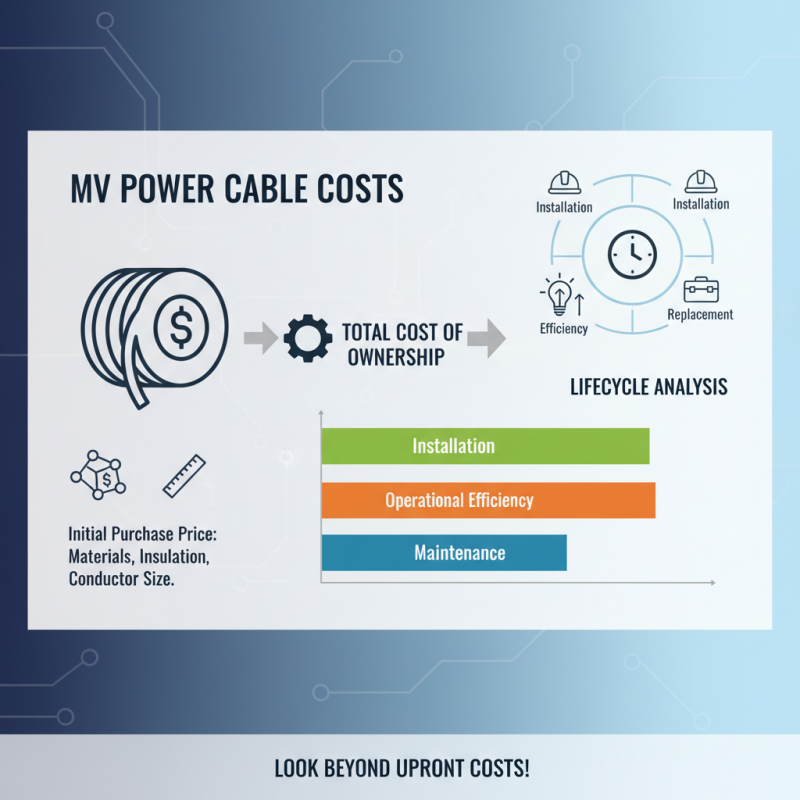
When considering MV (Medium Voltage) power cables for your projects, understanding the cost implications and life cycle analysis is crucial. The initial purchase price of these cables can vary significantly based on factors such as material composition, insulation type, and conductor size. However, it’s essential to look beyond just the upfront costs. The total cost of ownership includes installation expenses, operational efficiency, maintenance requirements, and eventual replacement costs, which can add up over the cable’s lifespan.
Tip: Always factor in the long-term savings from choosing higher-quality materials. While they may have a higher initial cost, superior cables often feature better insulation and durability, reducing maintenance and replacement frequencies.
Conducting a life cycle analysis (LCA) of MV power cables can provide insights into their environmental impact from production to disposal. This process helps in evaluating the sustainability of different cable types and informs decisions that align with project goals and environmental regulations. By assessing factors such as energy consumption during the manufacturing phase and the recyclability of materials, project managers can make more informed choices that not only benefit the budget but also contribute to sustainability efforts.
Tip: Collaborate with suppliers who emphasize sustainability in their manufacturing processes. This can lead to improved project outcomes and align with broader corporate responsibility goals.
FAQS
: MV power cables are essential components in electrical distribution systems, commonly used in various applications across industrial and commercial sectors for transporting electricity at voltages between 1 kV and 36 kV.
MV power cables are typically insulated with materials such as Polyvinyl Chloride (PVC) and Cross-Linked Polyethylene (XLPE). PVC insulated cables are known for their flexibility and moisture resistance, while XLPE offers superior thermal and electrical properties, making it suitable for demanding environmental conditions.
The demand for XLPE cables is increasing due to their excellent insulation properties and resistance to environmental stressors, with an expected annual growth of about 4%. This makes them ideal for various critical applications in both urban and rural settings.
Recent innovations have introduced improved materials, such as XLPE and ethylene propylene rubber (EPR), which enhance the performance and durability of MV power cables. Additionally, standardized manufacturing practices and advancements in monitoring technologies are increasing the reliability and safety of these cables.
It's important to analyze not just the initial purchase price of MV power cables but also the total cost of ownership. This includes installation, operational efficiency, maintenance, and replacement costs over time, which can significantly impact the overall budget.
A life cycle analysis evaluates the environmental impact of MV power cables from production to disposal, helping project managers assess sustainability. It includes factors like energy consumption during manufacturing and material recyclability, aiding in informed decision-making.
While higher-quality materials may involve a higher initial cost, they typically feature better insulation and durability. This can lead to long-term savings through reduced maintenance and replacement frequency, offering better value over the cable's lifespan.
Considering sustainability ensures that choices align with environmental regulations and corporate responsibility goals. Collaborating with suppliers who prioritize sustainable manufacturing processes can lead to improved project outcomes and reduced environmental impact.
Conclusion
This article provides a comprehensive overview of the top ten MV power cable types crucial for a variety of electrical applications. It emphasizes the importance of understanding the construction and design of medium voltage power cables, delving into key insulation materials used and offering a comparative analysis. The article also discusses MV power cable ratings, addressing critical factors such as voltage, current, and temperature considerations that influence cable selection.
Additionally, it highlights the environmental impacts that affect MV power cable selection and installation, alongside current trends in MV power cable technology, including innovations and evolving standards. Cost considerations and life cycle analysis of MV power cables are also examined, providing readers with essential insights for informed decision-making in their projects. Overall, this article serves as a valuable resource for professionals looking to navigate the complexities of MV power cable applications.