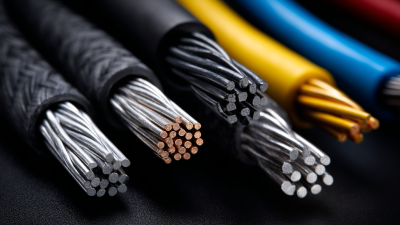
When you're starting any electrical project, one thing you really don’t want to overlook is the type of wiring you choose. Out of all the options out there, Fire Resistance Cable has become a pretty important choice—especially when it comes to keeping things safe and sticking to regulations, whether you're working on a home or a commercial space. These cables are specially built to handle really high temperatures and stop flames from spreading, which is crucial for reducing fire risks.
Picking the right Fire Resistance Cable can totally make a difference in how safe your project ends up being. But with so many things to think about—like insulation types, installation conditions, and specific application needs—it can honestly feel a bit overwhelming. That’s why I put together this quick guide with our top ten tips for choosing the best fire-resistant cable for your upcoming job. By understanding what to look for and figuring out what actually matches your needs, you’ll be able to make smarter choices that boost safety, keep things reliable, and stay within the rules.
Understanding the Importance of Fire Resistant Cable in Projects
Fire resistant cables play a crucial role in ensuring the safety and integrity of electrical systems, particularly in commercial and industrial settings. According to a report by the National Fire Protection Association (NFPA), electrical failures or malfunctions are responsible for approximately 13% of all reported structure fires in the United States. Consequently, the selection of appropriate fire resistant cables becomes essential, as they are designed to withstand high temperatures and prevent the spread of fire within the building infrastructure. This not only protects property but also significantly reduces the risk of injury to occupants during emergencies.
Moreover, the demand for fire resistant cables is on the rise due to increasing safety regulations and standards worldwide. For instance, the International Electrotechnical Commission (IEC) has outlined specific criteria for fire performance in cables, emphasizing that they should maintain circuit integrity during a fire. A study by MarketsandMarkets indicates that the global market for fire resistant cables is projected to grow at a CAGR of 7.1% through 2025, driven by heightened awareness regarding fire safety and regulatory compliance. As projects become more complex and safety-conscious, choosing the right fire resistant cable is not merely a recommendation but a vital necessity for any successful project.
Key Standards and Certifications for Fire Resistance Cables
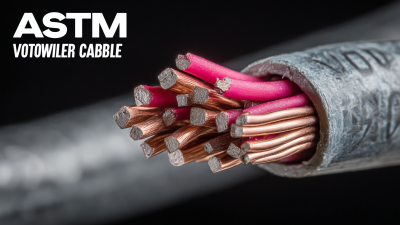
When selecting fire resistance cables for your next project, understanding the key standards and certifications is crucial to ensure safety and compliance. Fire resistance cables are typically subject to various regulations and testing methodologies that assess their performance in high-temperature environments. Notably, the National Fire Protection Association (NFPA) and Underwriters Laboratories (UL) provide essential standards, such as UL 910, which focuses on the flame propagation and smoke density of wire and cable products. According to a report published by the International Fire Safety Standards (IFSS), adherence to these established guidelines not only enhances safety measures but also aids in reducing the risk of fire-related incidents by up to 30%.
Moreover, the European regulations, particularly the Euroclass system, classify cables based on their reaction to fire characteristics. This classification ensures that cables used in residential and commercial projects meet minimum fire safety standards. Cables rated as Class A1 are considered the most fire-resistant, with minimal contribution to the fire. As highlighted in a recent study from the Fire Protection Research Foundation, projects employing cables compliant with stringent Euroclass classifications experienced significantly lower insurance premiums and liability claims, underscoring the importance of using certified fire resistance cables in high-risk areas.
Assessing Cable Material Types for Enhanced Fire Resistance
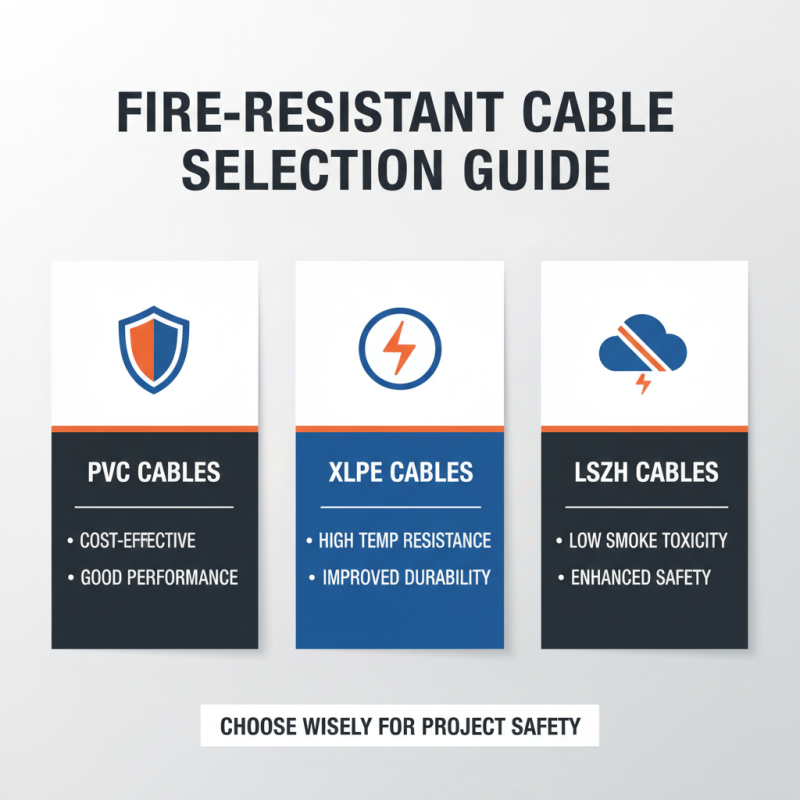
When selecting fire-resistant cables for your next project, it's crucial to understand the different types of materials available and their respective fire resistance properties. Generally, cables are made with various insulation materials, such as PVC, XLPE, or low-smoke halogen-free compounds. Each material has unique characteristics; for example, PVC is widely used due to its balance of cost and performance, while low-smoke halogen-free materials offer enhanced safety in fire situations by producing less toxic smoke.
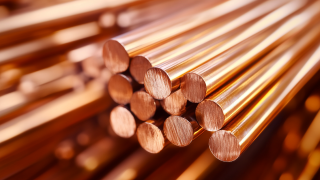
In addition to the insulation, the conductor material also plays a pivotal role in fire resistance. Copper, commonly used for its excellent conductivity, can withstand high temperatures, making it a preferred choice in many applications. However, aluminum, which is lighter and often more cost-effective, may require additional treatments to improve its fire resistance capabilities. By taking these material properties into account, engineers can ensure that the cables used will effectively mitigate fire hazards and maintain operational integrity during critical conditions.
Determining the Right Size and Capacity for Your Needs
When selecting fire-resistant cable for your next project, determining the right size and capacity is crucial to ensure safety and efficiency. The first step in this process is to assess the electrical load that the cable will need to carry. This involves calculating the total amperage required by the connected devices and considering potential future expansions. Proper sizing is essential, as undersized cables can overheat, leading to failure or even fire hazards.
In addition to electrical load, the environment where the cable will be installed plays a significant role in size selection. Factors such as ambient temperature, installation method, and surrounding materials can influence the heat dissipation and overall performance of the cable. For instance, cables installed in conduits or enclosed spaces may require a larger size to accommodate reduced airflow. It's also important to comply with local codes and standards, which may dictate specific sizing requirements for fire-resistant cables. By carefully evaluating both the load and the installation conditions, you can ensure that your choice of cable meets safety regulations while adequately serving your project’s needs.
Top 10 Tips for Choosing Fire Resistance Cable for Your Next Project
This chart illustrates the capacity in amps for different sizes of fire resistance cables. Selecting the right size is crucial for ensuring the safety and efficiency of your electrical projects.
Evaluating Environmental Conditions Affecting Cable Performance
When selecting fire resistance cables for any project, understanding the environmental conditions in which these cables will operate is crucial.
Factors such as temperature extremes, humidity levels, and exposure to corrosive elements can significantly impact cable performance and longevity.
For instance, cables in high-temperature environments may require additional insulation to maintain their integrity and prevent degradation.
Similarly, areas with high humidity or potential exposure to water may necessitate specific cable types designed to withstand moisture without compromising fire resistance.
Additionally, the installation location plays a vital role in determining the appropriate fire resistance cable.
For outdoor projects, ultraviolet (UV) exposure can lead to deterioration of certain cable materials, while indoor installations may be less prone to such issues.
Furthermore, in industrial settings where chemicals are present, selecting cables that can resist these substances not only enhances safety but also ensures reliable performance during a fire event.
By carefully considering these environmental factors, one can choose the right fire resistance cables that meet safety standards and operational demands effectively.
Cost Considerations and Budgeting for Fire Resistant Cables
When considering the cost of fire-resistant cables for your next project, it’s essential to evaluate not only the initial price but also the long-term value they provide. Fire-resistant cables might come at a higher upfront cost compared to standard cables. However, their enhanced safety features can lead to significant savings in potential damage costs and downtime should a fire incident occur. Proper budgeting should take into account both the purchase price and the potential impact on overall project expenses.
When budgeting for fire-resistant cables, it’s crucial to factor in the specific requirements of your project. The type of installation, expected environmental conditions, and compliance with local regulations can all affect pricing. Additionally, it’s wise to consult with industry professionals to understand the various options available and what may best suit your needs.
Tip: Always consider the total cost of ownership, including installation and maintenance. Investing in higher-quality fire-resistant cables can reduce future expenses related to replacements and repairs.
Tip: Don’t forget to compare different suppliers and seek multiple quotes. This can give you a clearer picture of the market rate and help you find a solution that fits your budget without compromising on safety.
Installation Best Practices for Maximizing Fire Safety
When it comes to ensuring fire safety in electrical installations, selecting the right fire resistance cable is crucial. Industry standards indicate that over 50% of electrical fires originate from faulty wiring, emphasizing the need for quality materials. One of the best practices in installation is to adhere to local regulations and national standards, such as the National Fire Protection Association (NFPA) guidelines, which provide critical information on cable performance in fire situations.
Tip 1: Consider using cables with a low smoke and halogen-free rating. These cables not only resist flames but also limit the amount of toxic gases emitted during a fire, enhancing safety for building occupants.
Proper installation techniques should also be prioritized. Ensure that fire resistance cables are not exposed to excessive heat or physical damage, as these conditions can degrade their protective qualities. According to the IEEE 383 standard, cables should be installed in a manner that allows for proper ventilation and prevents electrical overload, further reducing the fire risk.
Tip 2: Utilize conduit or protective sheathing for added protection. This practice helps shield cables from mechanical wear and environmental factors, which can lead to faults that threaten safety. By following these best practices, you can significantly enhance the fire safety of your electrical projects.
FAQS
: Fire resistant cables are designed to withstand high temperatures and prevent the spread of fire within a building's infrastructure. They are crucial in ensuring the safety of electrical systems, particularly in commercial and industrial settings, as they help protect property and reduce the risk of injury during emergencies.
Fire resistant cables are subject to various regulations and testing methodologies, such as those outlined by the National Fire Protection Association (NFPA) and Underwriters Laboratories (UL). These standards assess flame propagation and smoke density, ensuring that cables perform safely in high-temperature environments.
The demand for fire resistant cables is increasing due to heightened safety regulations and standards worldwide. Compliance with these regulations is essential for maintaining safety in projects and is a driving factor for growth in the global market for these cables.
The Euroclass system is a classification method used in Europe that categorizes cables based on their fire reaction characteristics. Cables rated as Class A1 are considered highly fire-resistant, helping ensure that projects meet minimum fire safety standards.
When budgeting for fire resistant cables, it’s important to evaluate both the initial purchase price and the long-term value they provide. Consider installation costs, compliance with local regulations, and the potential savings on damage and repairs in the event of a fire.
Although fire resistant cables may have a higher upfront cost, their enhanced safety features can reduce potential damage costs and downtime related to fire incidents, leading to substantial long-term savings.
Consulting industry professionals can help you understand the specific requirements of your project, the various options available, and provide insights on what cables may best suit your needs, ensuring compliance and safety.
By comparing multiple suppliers and obtaining various quotes, you can gain a clearer understanding of market rates. This allows you to find a solution that fits your budget while ensuring the safety features of fire resistant cables are not compromised.
Conclusion
When selecting Fire Resistance Cable for your next project, it's crucial to recognize its importance in ensuring safety and compliance with regulations. Understanding key standards and certifications helps in determining which cables fit the required fire safety criteria. Assessing the material types and their performance under high temperatures ensures that you choose a cable that can withstand potential fire hazards.
Additionally, evaluating environmental conditions and the right sizing for your project’s needs is essential for optimal performance. Budget constraints should not compromise safety; therefore, it’s important to consider cost-effectiveness while selecting high-quality fire-resistant options. Lastly, adhering to installation best practices can significantly enhance the overall fire safety of your project, making the proper selection and installation of Fire Resistance Cable a critical undertaking.