Leave Your Message
Hit-a tremendous revolution in the electricity power industry, especially across the area of Dry-type Power Transformers. Great deviation is already emerging according to into which trends and what areas these different advanced technologies and solutions will enter by 2025, not only improving efficiency but also attaining goals related to sustainability. The development of these innovative power solutions is necessary, which contributes to a safe and reliable power distribution in applications from urban infrastructure all the way through to industry.
HENAN TINDE POWER CO., LTD stands to drive these changes. The headquarters are located in Zhengzhou, Henan province, China, specializing in research, design, installation, and marketing in power equipment, including Dry-type Power Transformers. With its many efforts directed toward enhancing power infrastructure, it is in line with the ongoing trend of optimizing performance and reducing the environmental footprint, thus becoming a crucial player in this transformational period of the power industry.
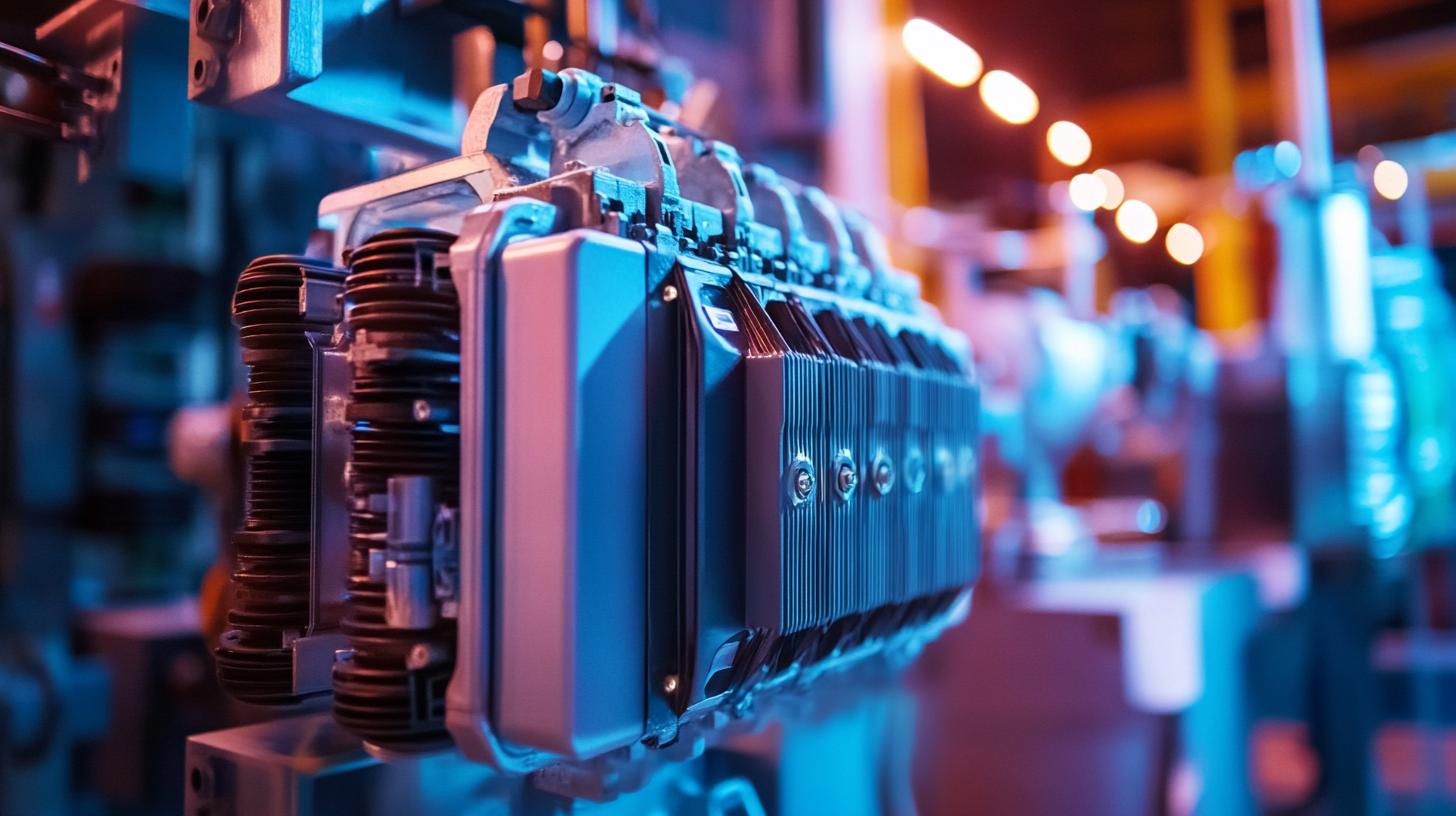
The dry-type power transformer market is slated for exponential growth, with Future Market Insights estimating the compound annual growth rate (CAGR) to be around 7% from 2020 to 2025. Dry-type transformers are gaining favor as industries across the globe move toward sustainable and efficient energy solutions due to their inherent safety and reduced environmental impact. Such a growth trend reflects the growing demand for transformers that need little maintenance and are energy-efficient, which is in line with the global energy conservation efforts. Recent reports indicate that the growth of renewable energy sources, particularly wind and solar, is to be highly responsible for the greater acceptance of dry-type transformers. It is expected that, with the increasing infrastructure for renewable energy, about 15% of all new installations in this sector would implement the use of dry-type technology by 2025. These transformers, which do not face any risk of oil leakage even under harsh conditions, are generally an ideal choice for renewable energy systems that place utmost importance on reliability and safety. In addition, urbanization and demand for energy in developing regions will create fertile ground for dry-type transformers to flourish. Industry analysts project that around 30% market share will be held by the Asia-Pacific region by 2025. This spike is accelerated by active governmental measures toward upgrading electrical grids and innovative infrastructure projects set to meet the energy demand of increasing populations in light of environmental drawbacks. In relation to that, manufacturers are conducting R&D with a view to enhancing the performance and up-scaling of dry-type transformers in line with developing standards within the energy market.
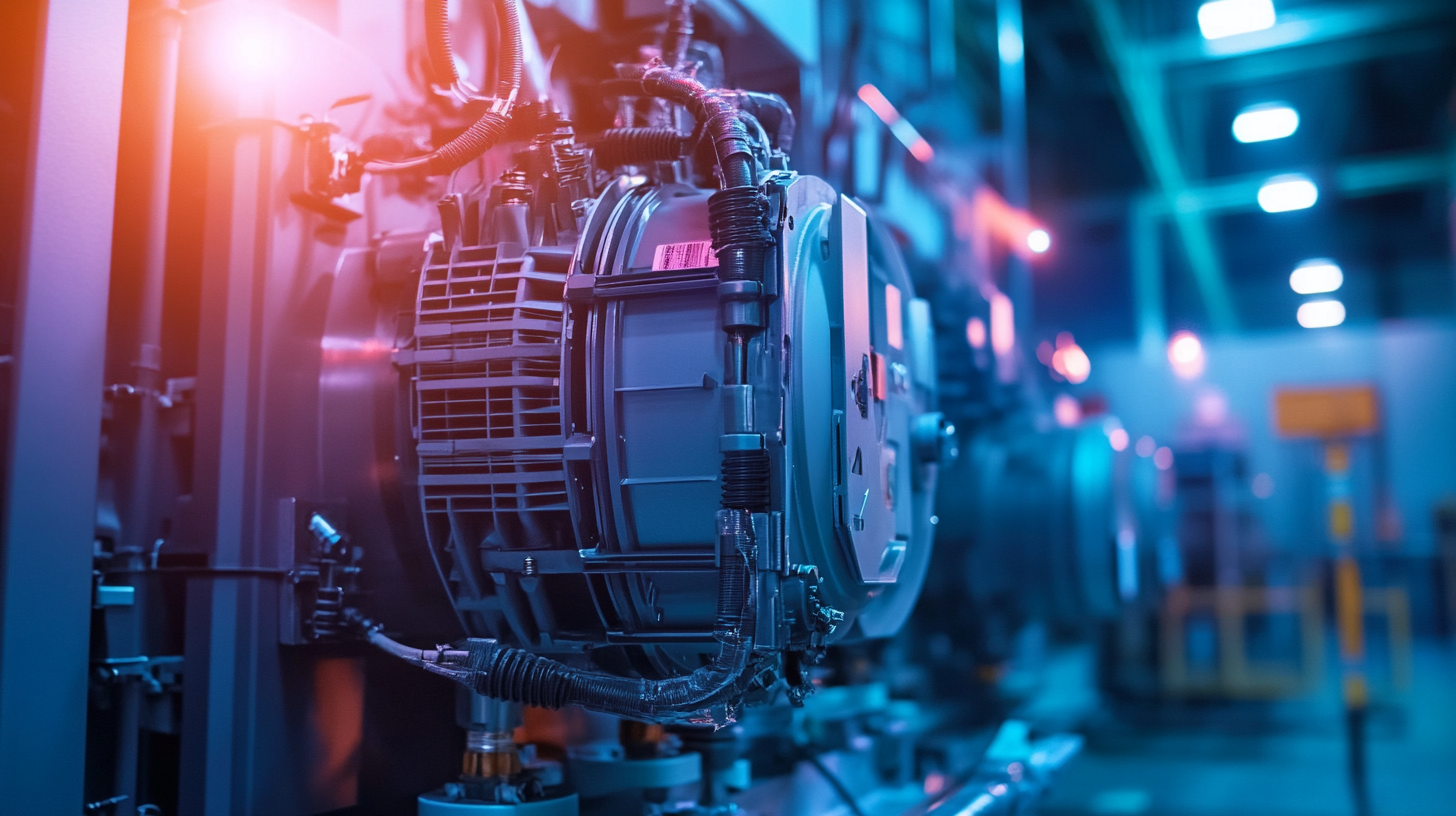
There are things in the life of dry-type power transformers wherein life-altering developments are imminent, especially concerning insulation materials which highly determine performance and reliability. The groups of enterprises are looking for tougher solutions to match escalating energy demands; therefore, materials like epoxy resin and silicone rubber are coming into prominence. The new insulation materials are safe to use at higher temperatures and have excellent dielectric properties with a low possibility of leading to electrical failures.
Sustainable drive has created the pathway for the introduction of eco-friendly insulation materials. Manufacturers are trying out natural fiber composites and biodegradable materials that can stand up to the same performance standards as traditional insulators but with less environmental degradation. This trend runs in line with worldwide efforts to reduce carbon footprints and boost inclusion of renewable energy sources, thus, making dry-type transformers even more appealing.
With steady advancement in nanotechnology, smarter insulation is already being explored. In this context, researchers have been developing insulation layers that incorporate nanomaterials for improved thermal conductivity and moisture resistance. These improvements ensure not only longer durability and reliability and higher efficiency of transformers. As the industry goes beyond the horizon of the year 2025, the innovations in insulation materials become a turning point in reexamining the performance and sustainability of dry-type power transformers.

The energy sector is changing with the introduction of smart technologies into dry-type power transformers, enhancing efficiency and reliability. As reported by Global Market Insights, the smart transformers' market is expected to surpass $12 billion by 2025, with dry-type transformers playing a significant role in the growth. Advanced monitoring systems and IoT connectivity allow real-time data to be acquired, enabling utilities to improve performance and optimize maintenance processes.
The application of smart technology is providing benefits for dry-type transformers, from predictive maintenance capabilities that considerably lower operation costs. For instance, predictive analytics can halve the downtime, as utilities can predict failures before they actually happen. This proactive manner improves transformers' lifespan and, thus, assures consistent power delivery-more so in the present-day energy-sensitive environment. In addition, automatically controlled systems may enhance efficiency by optimizing load management, translating to energy savings in the region of 15-20%.
However, bringing in smart dry-type transformers does face some challenges. Large initial capital investment that comes with such an advanced system could deter smaller utilities. In addition, attention should also be given to ensure that different smart technologies can interoperate seamlessly with the pre-existing infrastructure. Cybersecurity issues must, however, be addressed since connected devices can be targets of attacks in the event of service disruption or leakage of highly sensitive data. The industry's ability to tackle these challenges will be a very critical factor facilitating the successful adoption of smart solutions in dry-type transformer technology.
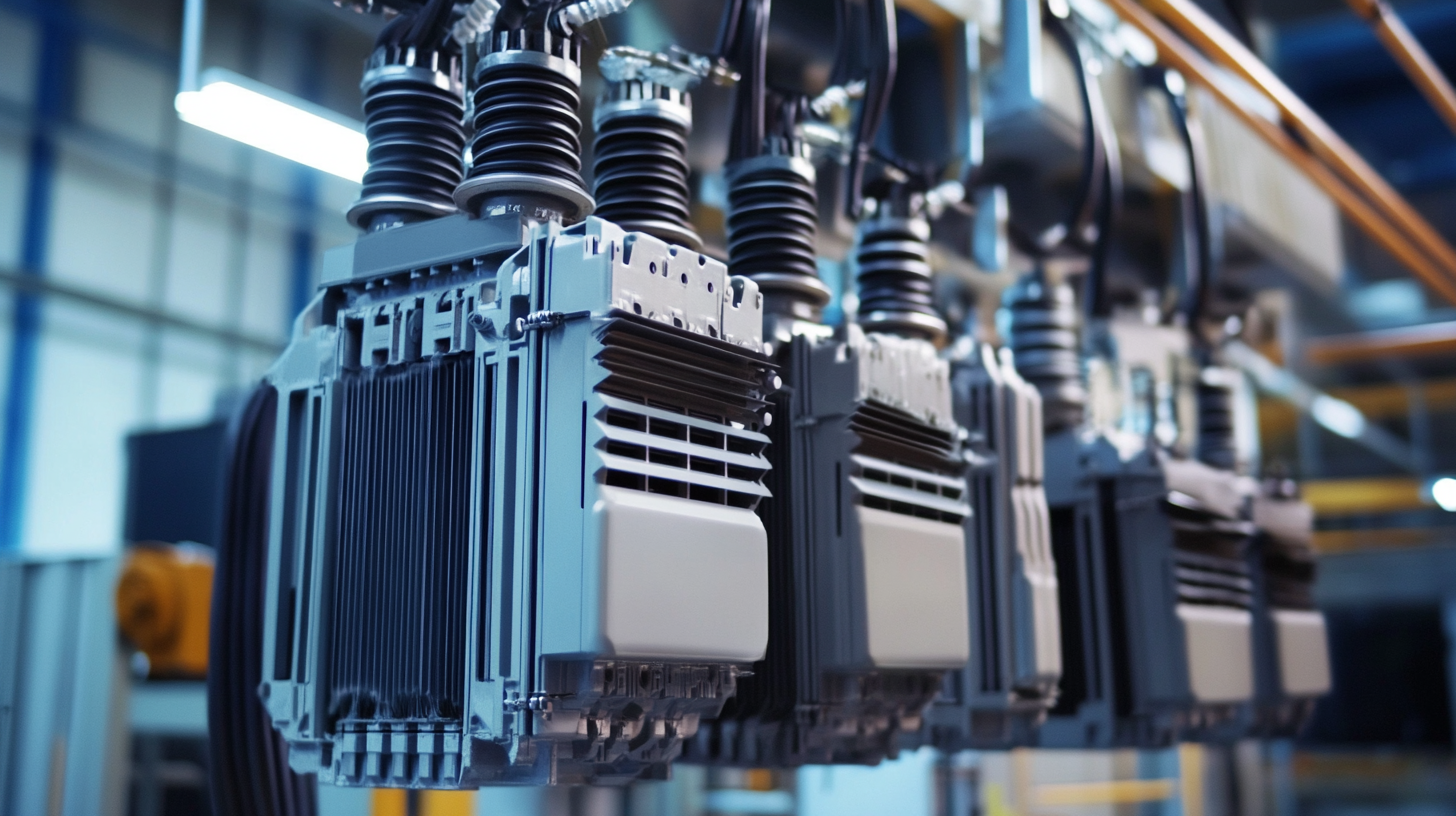
In an industry transitioning to a sustainable future, the mitigation of carbon footprints during the manufacturing of dry-type power transformers has become a burning topic for discussion. The switch to green technologies is not something to be put forth merely as a fad; it is a must-have in the fight against climate change and environmental degradation. Consequently, such a scenario has led manufacturers to accept novel means and methods to optimize production processes, enhance energy efficiency, and work with environment-friendly materials.
One of the best ways is to apply responsive manufacturing processes that get rid of waste. In a lean production approach, transformer manufacturing optimizes material usage and the entire supply chain process, thus decreasing waste at every stage. In addition, the use of renewable energy resources for manufacturing plants will lower greenhouse gas emissions and serve as a role model for sustainability in the energy arena.
Additionally, research and development into biodegradable and recycled materials will provide the basis for developing transformers that are both high-performing and environmentally friendly. The shift to these sustainable resources not only meets regulatory pressure but also satisfies a developing market, cognizant and concerned about their choices' environmental implications. This way, the industry paves the way toward a future where power transformers give their much-needed due to sustainability and international agreement for a carbon-neutral society.
The regulatory arena for dry-type power transformers witnesses rapid changes, primarily due to environmental policies focused on sustainability and carbon footprint reduction. Climate change mitigation measures being put in place by various authorities mean that the design and manufacturing of transformers have to keep pace. Hence, advances in transformer technology are no longer merely valued for energy efficiency but also embrace sustainable materials and energy sources that comply with these new regulations.
The high-voltage transformer market in Europe is set to cross USD 2.4 billion by 2032, recording an estimated CAGR of almost 5.3% between 2024 and 2032. The growth is fuelled by increasing power demand, renewable energy infrastructure expansion, and modernization of existing electrical grids. As environmental regulations tighten, manufacturers are compelled to innovate with dry-type transformers, which have lower environmental impact, higher levels of safety, and lesser maintenance costs than traditional oil-filled transformers.
Pushes for greener technologies are also evident through the adoption of eco-friendly designs. Energy efficiency and lifecycle assessment are being emphasized by regulatory bodies, and companies are being encouraged to opt for materials and processes that do least harm to the environment. This shift is influencing the future of transformer design, in which environmental compliance will be essential to compete in the marketing sustainably. With 2025 and beyond in view, these innovative solutions integrated at the heart of transformer technology will significantly satisfy changing energy landscape demands.
Evolving towards the more commonly adopted energy-efficiency measures, the adaptation of innovative cooling systems for dry-type power transformers has been one of the developments in operational efficiency concerning these transformers. Conventional means of cooling usually fail to bring the temperature of the power transformers to the required lower limits. This not only reduces the performance efficiency of the power transformers but also causes a higher probability of potential failures. However, advanced cooling solutions have started changing the scenario toward improved performance and sustainability in power distribution.
One of the biggest promises in the cooling-technology development field is advanced synthetic insulation materials. Those have not only immense insulation properties, but also heat dissipating qualities that enable the transformer to operate at a lower temperature. Supplementing them with natural cooling elements such as oil-immersed heat exchangers further makes dry-type transformers possess a better effective capacity of cooling without extra weight or added complication.
Active cooling systems where fans and heat pumps use active means to regulate the temperature of transformers are other interesting innovations for the same cause. The cooling system adjusts in real time for a signal based on the readings and does so in response to changes in load conditions. Because of the reactions to the internal temperature changes, the system can optimize the performance in extreme environments. It improves efficiency in power transformers and will also help prolong their life and reduce their maintenance cost.
Indeed the innovative modernization of cooling systems for dry-type power transformers is not just a trend but an inevitable advance at the current pace of global sustainability and efficiency. The in-progress development of these technologies will serve as the future backbone for more reliable and greener skeletal power infrastructure.
The escalation of renewable energy sources, wind & solar, warrants the necessity of efficient management. Dry-type power transformers emerge as a key actor in this transition, offering unique advantages especially suited for renewable energy applications. In contrast to traditional oil-filled designs, dry-type transformers utilize non-combustive fluids, thereby minimizing the risk of fires and environmental hazards. This positive aspect of safety makes them an optimal choice for renewable energy installations, which are usually located in remote or difficult geographical locations.
Dry-type transformers are very adaptive and can be installed in many applications-from civil installations to wind farms and solar parks. Their small size and maintenance-friendly design are advantageous for applications where space is an issue. The power conversion efficiency demand is on the rise; therefore, the dry-type transformers guarantee reliable performance under fluctuating output conditions associated with renewable energy systems. Dry-type transformers thus advocate the integration of renewable resources into the grid through energy-efficient use and lifecycle cost reduction.
In addition, the modern technology adopted within dry-type transformers, such as improved insulation materials and smart monitoring systems, is culminating in improved operational efficiencies. These advancements enhance not only the operational life of the transformer but also allow real-time data acquisition and analytics for proactive maintenance and enhanced redundancy of performance, which is paramount to the secure operation of renewable energy systems. Given the changing trends of the industry towards greener solutions, dry-type power transformers remain a key player driving the future of sustainable energy.
Modernizing dry-type transformers is fast becoming the trend in many organizations as they go green and become efficient. Equipment capital cost calculation for modernization upgrades from traditional oil-filled transformers to innovative dry-type transformers forms a key part of this transition. According to MarketsandMarkets, in a few years, the market of dry-type transformers will cross the mark of $7.32 billion globally, and the CARG will be 6.5% till 2025. The report also said that with the most publicized rising demand for high-efficiency transformers, this market is driven by the reduced environmental risks associated with dry-type designs.
Financially, investment initially in dry-type transformers tends to be high, typically from 10% to 30% more than oil-filled units. However, this upfront expenditure can be canceled out by savings on continued operations during the lifetime of the transformer. About 7% energy savings were estimated in comparison with oil-filled transformers by the U.S. Department of Energy for dry-type transformers. Lower maintenance requirements and minimized oil leakage events will dramatically reduce repair and compliance costs. This way, investments can be made into energy efficiency grants and incentives for organizations to adopt new green technology.
For instance, the Energy Improvement and Extension Act provides tax deductions for energy-efficient installations. The act allows most businesses to recover at least some of their investment costs. Short-term costs and long-term benefits associated with sustainability and operational efficiency should be considered in evaluating the financial effects of modernization by upgrading to dry-type transformers.
The primary sustainability initiatives include adopting advanced manufacturing techniques to reduce waste, implementing lean production methods, integrating renewable energy sources, and utilizing biodegradable and recycled materials.
Lean production methods decrease excess material usage and improve efficiency at every stage of the supply chain, which helps in reducing waste and carbon footprints.
The integration of renewable energy sources in manufacturing plants minimizes greenhouse gas emissions and sets a benchmark for sustainability in the energy sector.
Using biodegradable and recycled materials creates transformers that are high-performing and environmentally friendly, aligning with regulatory pressures and appealing to environmentally conscious consumers.
Environmental policies are requiring manufacturers to adapt their designs and processes to incorporate sustainable materials and energy sources, ensuring compliance and promoting market competitiveness.
The high voltage transformer market in Europe is projected to surpass $2.4 billion by 2032, with a compound annual growth rate (CAGR) of approximately 5.3% from 2024 to 2032.
Dry-type transformers offer advantages such as reduced environmental impact, improved safety, and lower maintenance costs.
Regulatory bodies emphasize energy efficiency and lifecycle assessment to prompt companies to prioritize materials and processes that minimize ecological damage.
Integrating innovative solutions will play a significant role in meeting the demands of a changing energy landscape and ensuring compliance with emerging environmental regulations.
Compliance with environmental regulations is essential for market competitiveness, which drives manufacturers to innovate and adopt sustainable practices in transformer design and production.