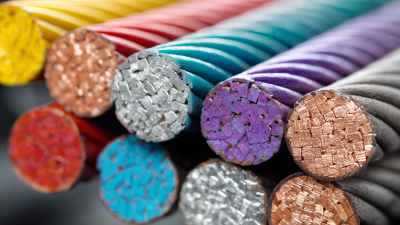
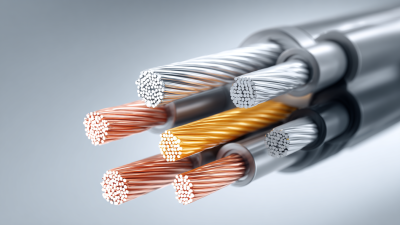
Low voltage (LV) cables might not be something everyone thinks about, but they actually are the
unsung heroes in the world of electricity. These cables are pretty much the
backbone of powering up a bunch of industries and everyday applications. With everyone demanding more reliable
and efficient power delivery, the LV cable market is really poised to grow. I came across a report
from Grand View Research that said the global LV cable market was valued at around
65.9 billion USD back in 2020, and it’s expected to keep expanding at
about 5.3% annually from 2021 to 2028. That growth tells us how important it is
to understand the different types of LV cables, what they’re used for, and why they matter.
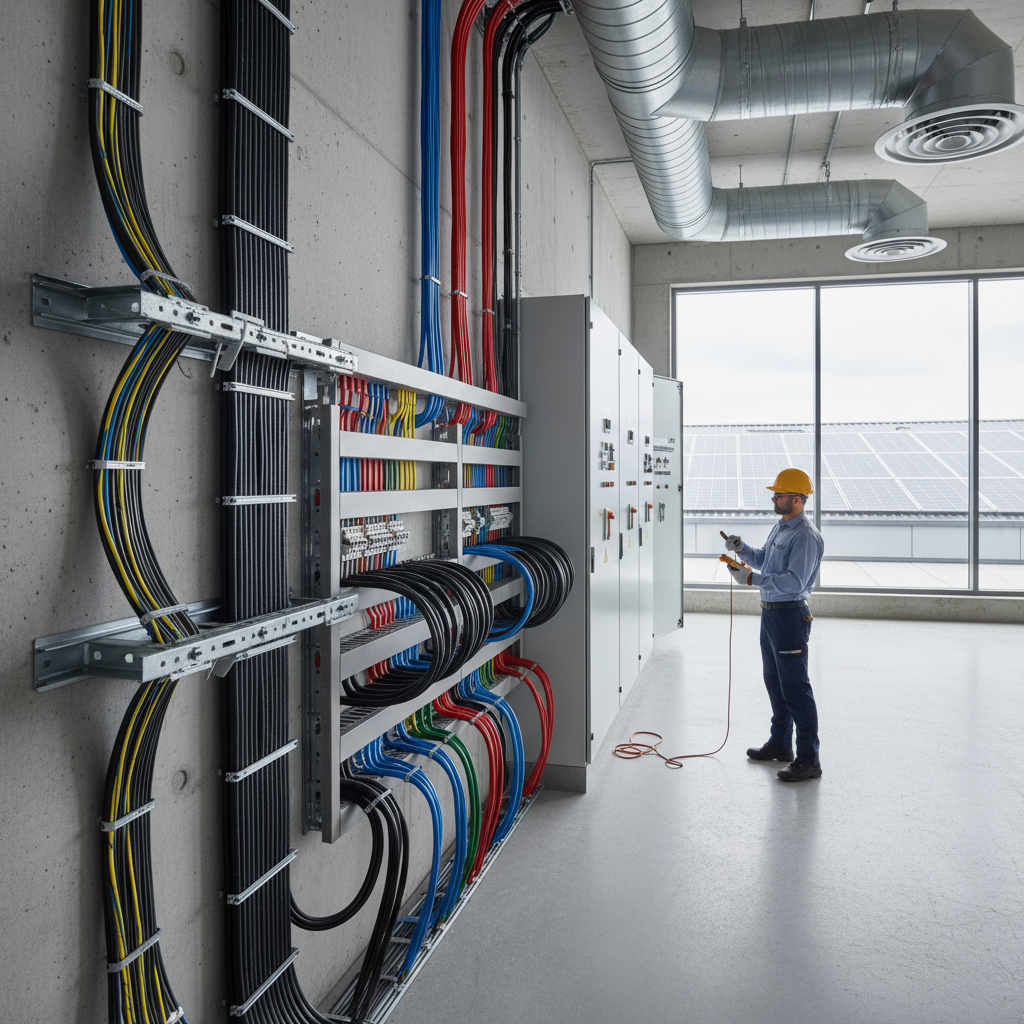
So, what exactly are LV cables? Usually, they’re rated at 1 kV or less, and
they’re crucial for connecting power sources to various electrical devices like transformers, motors, and
circuit breakers. One of the cool things about LV cables is how versatile they are—they’re used in homes,
offices, factories, pretty much everywhere. According to MarketsandMarkets, the rise of
renewable energy projects and more investments in infrastructure
are really pushing up demand for these cables. They play a key role in making sure electricity gets safely
and efficiently where it’s supposed to go.
In today’s world where energy efficiency and sustainability
are more important than ever, picking the right LV cable isn’t just a detail—it actually makes a big difference.
Big names like Prysmian Group and Nexans are
leading the way with innovative solutions that not only meet industry standards but also cater to the
ever-changing needs of our modern power systems. As we dig deeper into understanding the different types,
their uses, and why they’re so essential, it really becomes clear that LV cables are just as vital as any
other part of our energy infrastructure. After all, without them, the whole system just wouldn’t run smoothly.
What is LV Cable? An Overview of Low Voltage Cables
Low voltage (LV) cables are crucial to modern electrical systems, operating typically at voltages up to 1,000 volts AC. These cables are designed for efficiency and safety, making them ideal for a variety of applications such as residential wiring, outdoor lighting, and electrical power distribution in commercial buildings. According to a market research report by Mordor Intelligence, the global low voltage cable market is expected to reach USD 92 billion by 2026, driven by increasing infrastructure development and the growing demand for reliable power solutions.
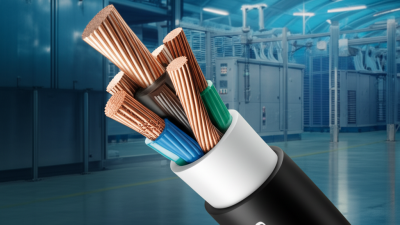
LV cables come in various types, including armored cables for enhanced protection against mechanical damage and flexible cables for easy installation in tight spaces. Their applications extend to renewable energy systems, particularly solar power setups, which require robust and resilient cabling to ensure optimal energy flow. Notably, the International Electrotechnical Commission (IEC) standards specify various classifications for LV cables based on their insulation, conductor materials, and construction, catering to specific industry needs.
Tips: When selecting LV cables, always consider the environment where they will be installed. For outdoor applications, choose cables that are UV resistant and water-proof. Additionally, ensure compliance with local electrical codes to enhance safety and functionality. Regular inspection of LV cabling systems can prevent unforeseen breakdowns and prolong service life.
Types of LV Cables: A Comprehensive Guide
Low Voltage (LV) cables play a crucial role in electrical systems, primarily used for the distribution of electricity in various applications. The types of LV cables vary based on their construction, insulation types, and specific use cases. According to a recent market analysis by Mordor Intelligence, the global LV cable market is projected to grow at a CAGR of approximately 6.5% from 2021 to 2026, demonstrating the rising demand driven by infrastructural developments and renewable energy projects.
The most common types of LV cables include PVC insulated cables, XLPE insulated cables, and rubber insulated cables.  PVC insulated cables are widely adopted for their cost-effectiveness and versatility in residential and commercial buildings. On the other hand,
 XLPE insulated cables are known for their superior thermal resistance and durability, making them suitable for industrial applications. Furthermore, rubber insulated cables are essential for flexible applications, particularly in environments where movement is frequent. According to a report by Technavio, the adoption of XLPE cables in various sectors is expected to increase notably, reflecting their growing significance in modern electrical infrastructure.
Applications of LV Cables in Various Industries
Low Voltage (LV) cables are essential components in various industries, enabling efficient power distribution and communication systems. These cables typically operate at voltages up to 1,000V and find applications in sectors such as construction, manufacturing, and telecommunications. According to a report by Grand View Research, the global low voltage cable market is expected to reach USD 56 billion by 2027, driven by the increasing demand for electricity and the ongoing expansion of infrastructure projects.
In construction, LV cables are crucial for connecting electrical equipment and lighting systems. They provide reliable power to buildings while ensuring safety and compliance with electrical codes. The manufacturing sector also relies on LV cables for machinery and equipment operation, where they enable automation and improve productivity. Moreover, in the telecommunications industry, LV cables facilitate seamless data transmission, supporting the growing demand for high-speed internet and connectivity solutions.
Tips: When selecting LV cables for your project, consider factors such as the cable's insulation material, temperature rating, and installation environment to ensure optimal performance. Additionally, adhere to local regulations and standards to guarantee safety and reliability. Regular maintenance and inspections are vital to prevent potential issues and prolong the life of your LV cable systems.
Advantages of Using LV Cables in Electrical Installations
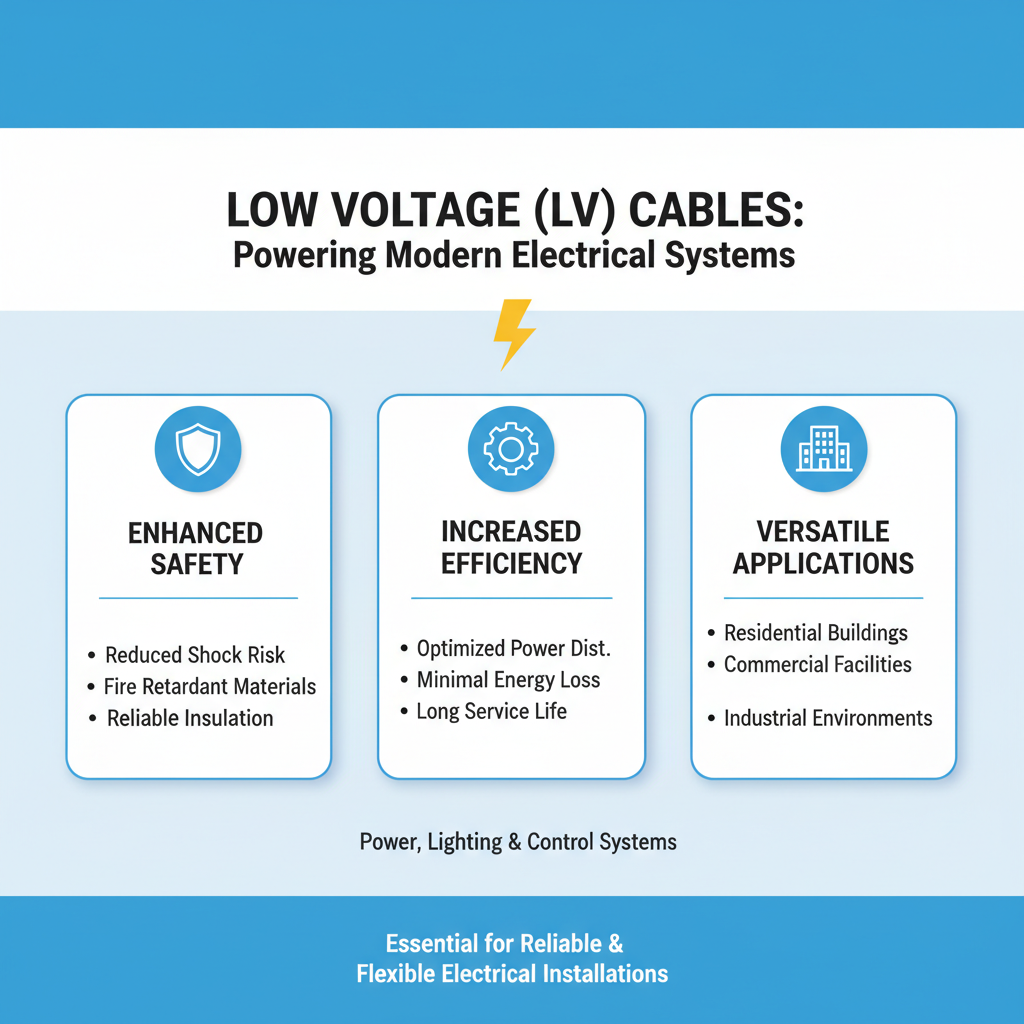
Low Voltage (LV) cables play a crucial role in modern electrical installations, offering several advantages that enhance safety and efficiency. One of the primary benefits of using LV cables is their flexibility in application. They are suitable for a wide range of settings, including residential, commercial, and industrial environments. This versatility makes them ideal for power distribution, lighting, and control systems, ensuring reliable performance across various situations.
Another significant advantage of LV cables is their safety features. Operating at lower voltage levels reduces the risk of electrical shock, making them safer for both installers and end-users. Additionally, LV cables are typically designed to be resistant to environmental factors, such as moisture and temperature fluctuations, which further enhances their reliability. The use of LV cables also contributes to energy efficiency, as they minimize power loss during transmission. Overall, these cables are an essential component of safe and effective electrical systems, providing peace of mind and improved functionality.
Standards and Regulations for LV Cable Installation
When it comes to the installation of Low Voltage (LV) cables, adhering to established standards and regulations is crucial for ensuring safety and efficiency. These guidelines are designed to mitigate risks associated with electrical installations, providing frameworks that installations must follow. Key standards such as the International Electrotechnical Commission (IEC) 60076 and various local regulations set requirements for cable design, insulation, and installation practices. Compliance not only enhances the reliability of the electrical system but also protects both personnel and equipment from potential hazards.
Furthermore, proper implementation of these standards also addresses environmental considerations. The use of environmentally friendly materials and procedures not only aids in compliance but also contributes to sustainability efforts. Regular inspections and maintenance, as dictated by these regulations, ensure that LV cable systems operate safely over their lifespan. Failure to adhere to these guidelines can lead to significant safety hazards, making it imperative for contractors and electricians to be well-versed in the applicable code requirements. By following these regulations, stakeholders can secure their installations against potential failures and ensure long-term performance and reliability.
Maintenance Tips for Longevity of LV Cables
Low Voltage (LV) cables play a crucial role in distributing electricity safely and efficiently in various applications, from residential to industrial settings. Given the significance of these cables, their maintenance is essential for ensuring longevity and reliability. At HENAN TINDE POWER CO., LTD., we understand that proper care can greatly enhance the lifespan of LV cables.
To maintain LV cables effectively, it is vital to perform regular inspections for any signs of wear or damage. Ensure that connections are secure and check for any potential overheating. Keeping the cables clean and free from dust or moisture can also help prevent deterioration. Additionally, avoid overloading circuits to prevent excessive stress on the cables.
Proper storage and installation practices are equally important. Always follow manufacturer guidelines and use protective gear when handling cables. At HENAN TINDE POWER CO., LTD., we offer a range of services related to power equipment and cable installations, ensuring that clients receive the highest quality products and expertise for their power needs. By following the right maintenance tips, you can enhance the performance and longevity of your LV cables, ensuring consistent and safe power distribution.
What is Lv Cable? Understanding Its Types, Uses, and Benefits Explained - Maintenance Tips for Longevity of LV Cables
| Type of LV Cable |
Uses |
Benefits |
Maintenance Tips |
| PVC Insulated Cable |
Residential wiring, commercial buildings |
Cost-effective, good insulation properties |
Regular inspection for wear and tear |
| XLPE Insulated Cable |
Industrial installations, power distribution |
High thermal resistance, excellent durability |
Avoid sharp bends during installation |
| Armored Cable |
Underground installations, outdoor use |
Protection against mechanical damage |
Check for corrosion on armor periodically |
| Low Smoke Zero Halogen (LSZH) Cable |
Public buildings, transportation systems |
Low toxic fume emission |
Ensure proper ventilation during use |
Future Trends in LV Cable Technology and Usage
The low-voltage (LV) cable market is poised for remarkable growth in the coming years. In 2018, the global market size for LV cables reached approximately $9.39 billion, and it is projected to surge to $23.57 billion by 2032, reflecting a compound annual growth rate (CAGR) of 6.91% during the forecast period. This growth is driven by increasing demand for electrical installations across various sectors, including construction, renewable energy, and urban infrastructure development.
As technological advancements continue to shape the electrical industry, future trends in LV cable technology are expected to focus on enhanced efficiency and durability. Innovations are emerging in materials and designs, aimed at reducing energy losses and improving safety standards. The integration of smart technologies, such as monitoring systems and improved insulation materials, will also play a crucial role in making LV cables more reliable and efficient. With the global push towards sustainability, the adoption of eco-friendly manufacturing processes and recyclable materials in LV cable production will likely become a standard practice, aligning with modern environmental goals.
Types of LV Cable and Their Applications
This bar chart illustrates the usage volume of different types of Low Voltage (LV) cables across various applications. It highlights the prominence of power distribution and telecommunication sectors while showcasing the emerging relevance of renewable energy solutions.
FAQS
: LV cables offer flexibility in application, are suitable for various environments (residential, commercial, industrial), enhance safety by reducing electrical shock risks, are resistant to environmental factors, and contribute to energy efficiency by minimizing power loss during transmission.
LV cables operate at lower voltage levels, which significantly reduces the risk of electrical shock for both installers and end-users.
Regular inspections for signs of wear or damage, ensuring secure connections, checking for overheating, keeping cables clean from dust or moisture, and avoiding circuit overloads are key maintenance practices.
Regular inspections help identify any wear or damage early, which is crucial for ensuring the longevity and reliable performance of the cables.
Yes, LV cables are designed to resist environmental factors like moisture and temperature fluctuations, which enhances their reliability and performance in various settings.
Proper storage involves following manufacturer guidelines and ensuring that cables are stored in conditions that prevent damage.
Overloading circuits can cause excessive stress on LV cables, leading to potential damage and reducing their lifespan.
Following manufacturer guidelines and using protective gear during installation is crucial to ensure proper installation of LV cables.
HENAN TINDE POWER CO., LTD. offers a range of services related to power equipment and cable installations, providing high-quality products and expertise for customers' power needs.
LV cables minimize power loss during transmission, making them an essential component of energy-efficient electrical systems.
Conclusion
Low Voltage (LV) cables play a crucial role in modern electrical installations, serving a wide range of applications across various industries. Understanding LV cables involves recognizing their types, which include multi-core and single-core cables designed for specific uses. The advantages of using LV cables, such as their safety, efficiency, and cost-effectiveness, make them a preferred choice for many projects. Compliance with established standards and regulations is essential for ensuring proper installation and maintenance, which significantly contributes to the longevity of these cables.
As the industry evolves, future trends in LV cable technology suggest advancements in materials and designs that will enhance their performance and sustainability. Companies like HENAN TINDE POWER CO., LTD. specialize in LV cable installation and associated services, reinforcing the importance of quality and expertise in the deployment of power equipment and wiring solutions.