Leave Your Message
You know, in today's fast-paced world of power transmission, OPGW Cable, or Optical Ground Wire, is really making waves as a game-changing solution. It cleverly combines grounding functionality with the ability to transmit data, which is pretty smart, right? As procurement pros around the globe look to fine-tune their supply chains and boost operational efficiency, getting a good grip on what OPGW Cable can do is super important. HENAN TINDE POWER CO., LTD., based in the lovely city of Zhengzhou in Henan province, China, is leading the charge in this area. They're not just installing power equipment and wiring; they're also diving deep into research and design, which is pretty impressive if you ask me! This blog is all about uncovering the amazing benefits that OPGW Cable offers. We want to share some valuable insights with procurement professionals so they can make smart choices that really align with what’s best in the industry. We’ll dive into its many uses and strengths, helping you navigate the ins and outs of sourcing OPGW Cable for your upcoming projects without getting too lost.
You know, Optical Ground Wire (OPGW) cables are really shaking things up in the world of telecommunications. They’re not just about grounding; they also handle communication in this super lightweight design. A report from the International Telecommunication Union (ITU) predicts that in the next five years, we’ll see global demand for high-capacity data transmission shoot up by over 30% every year! OPGW cables are perfectly positioned to tackle this need, offering solid electrical grounding for overhead power lines while also delivering high-speed data transfer. That means we’re boosting network reliability and efficiency, which is pretty important in today’s world.
What really sets OPGW cables apart is their versatility. They can jump into various applications like broadband communications and smart grid tech. According to the Fiber to the Home (FTTH) Council International, OPGW could actually slice installation costs by around 25% compared to the old-school fiber optic setups, mainly because they do double duty. Plus, research from the Global Energy Internet Development Cooperation shows that OPGW systems can hugely cut down on power outages and enhance service reliability. So yeah, they’re becoming a must-have for modern telecommunication networks as we all move towards a more connected digital future!
| Advantage | Description | Application |
|---|---|---|
| High Capacity | OPGW cables can carry large amounts of data due to multiple fibers. | Telecommunications and internet services |
| Lightning Protection | OPGW cables are designed to act as grounding conductors. | Power transmission lines |
| Easy Installation | Can be easily integrated with existing overhead power lines. | Urban and rural installations |
| Environmental Resistance | Durable against harsh weather conditions. | Remote and challenging locations |
| Cost-Effective | Reduces the need for separate fiber optic infrastructure. | New infrastructure projects |
Alright, so when we talk about improving our telecommunication systems, OPGW cable—the Optical Fiber Composite Overhead Ground Wire—really shines as a key player. I mean, just think about it: with the demand for high-speed internet skyrocketing—it's expected to hit over 1.5 billion connections by 2025!—OPGW cable is becoming super important for both utility companies and telecom providers. What’s cool is that it serves a dual purpose; it not only protects power lines but also transmits data. This means less hassle when it comes to extra installations, which ultimately keeps costs down.
Now, if you’re in procurement, you absolutely need to wrap your head around the technical specs of OPGW cable. Typically, it’s packed with high-capacity optical fibers that can handle data rates of up to a whopping 100 Gbps! Plus, it’s built from lightweight but tough materials like aluminum and stainless steel, which really helps it withstand harsh weather. How great is that? A recent report from the International Energy Agency even mentions that using OPGW could cut installation costs by as much as 30%! So, not only is it a top-notch technical option, but it’s also a smart financial move for companies looking to future-proof their telecom infrastructure.

When it comes to sourcing Optical Ground Wire (OPGW) cable from around the globe, procurement folks really need to keep a bunch of important things in mind to make smart choices. First off, getting a solid grip on the technical specs and performance features of OPGW cable is super important. You know, stuff like fiber count, tensile strength, and thermal properties can really make or break how well the cable performs in real-life situations. Teaming up with technical experts who can break down the nitty-gritty of OPGW designs can seriously help make the procurement process smoother. This way, you can pick cables that fit the specific needs of your projects.
On top of that, you can’t overlook how important it is to check out supplier reliability and make sure they’re up to snuff with international standards. It’s crucial to look into the manufacturer’s reputation, their production capacity, and how well they stick to quality assurance. A good due diligence process should involve looking at past projects and customer feedback to really get a sense of how suppliers perform. And hey, don't forget about the logistics involved in getting OPGW cables, like shipping times, customs rules, and potential tariffs. Getting a handle on all this can really help procurement pros manage risks and keep costs in check. Finding the right balance between quality and cost is key for nailing those procurement goals in today’s fast-changing global market.
You know, making sure we have top-notch quality assurance when we’re ordering Optical Ground Wire, or OPGW cable, is super important for keeping telecommunication and power transmission systems running smoothly and lasting a long time. According to a report from the International Energy Agency, they’re predicting that the global demand for these cables will rise by about 5% every year, mainly because of the surge in renewable energy sources and some cool tech advancements in telecom networks. So, for those in procurement, it's really crucial to adopt some best practices to ensure the quality of the OPGW cables we’re buying.
One key strategy? Doing thorough evaluations of our suppliers based on ISO 9001 standards. Research from the Institute of Electrical and Electronics Engineers shows that sticking to these quality management principles can actually cut supply chain risks by as much as 30%. Also, it’s a good idea to standardize our quality testing, which includes things like tensile strength, temperature resistance, and corrosion tests. That way, we can make sure we’re using only the most reliable cables for those critical installations. By focusing on quality assurance, procurement folks can really boost the reliability and efficiency of our OPGW setups.
You know, the future of OPGW (Optical Ground Wire) cable looks pretty exciting! It's all about keeping up with the rapidly changing needs of global telecommunications. One cool thing happening is the use of innovative materials that not only boost durability but also cut down on weight. This is great because it makes installation a breeze and even prolongs the lifespan of the cables. So, even in tough conditions, you can count on them to perform reliably.
For those of you in procurement, here’s a tip: Stay in the loop with the latest tech developments related to OPGW. Attending industry conferences and workshops is a fantastic way to get insights into what’s trending and meet some key suppliers. Oh, and think about investing in some training for your team! It’ll really help everyone grasp the unique advantages of OPGW cables over the traditional options.
Another thing to keep an eye on is the growing demand for telecom infrastructure in developing areas. As these places work on boosting their connectivity, OPGW cables are stepping in as the perfect solution. They blend power transmission with high-speed data capabilities, which is pretty amazing. So, as procurement pros, you might want to focus on building strong partnerships with manufacturers who can swiftly respond to these market needs. That way, you can snag the best products as demand ramps up.
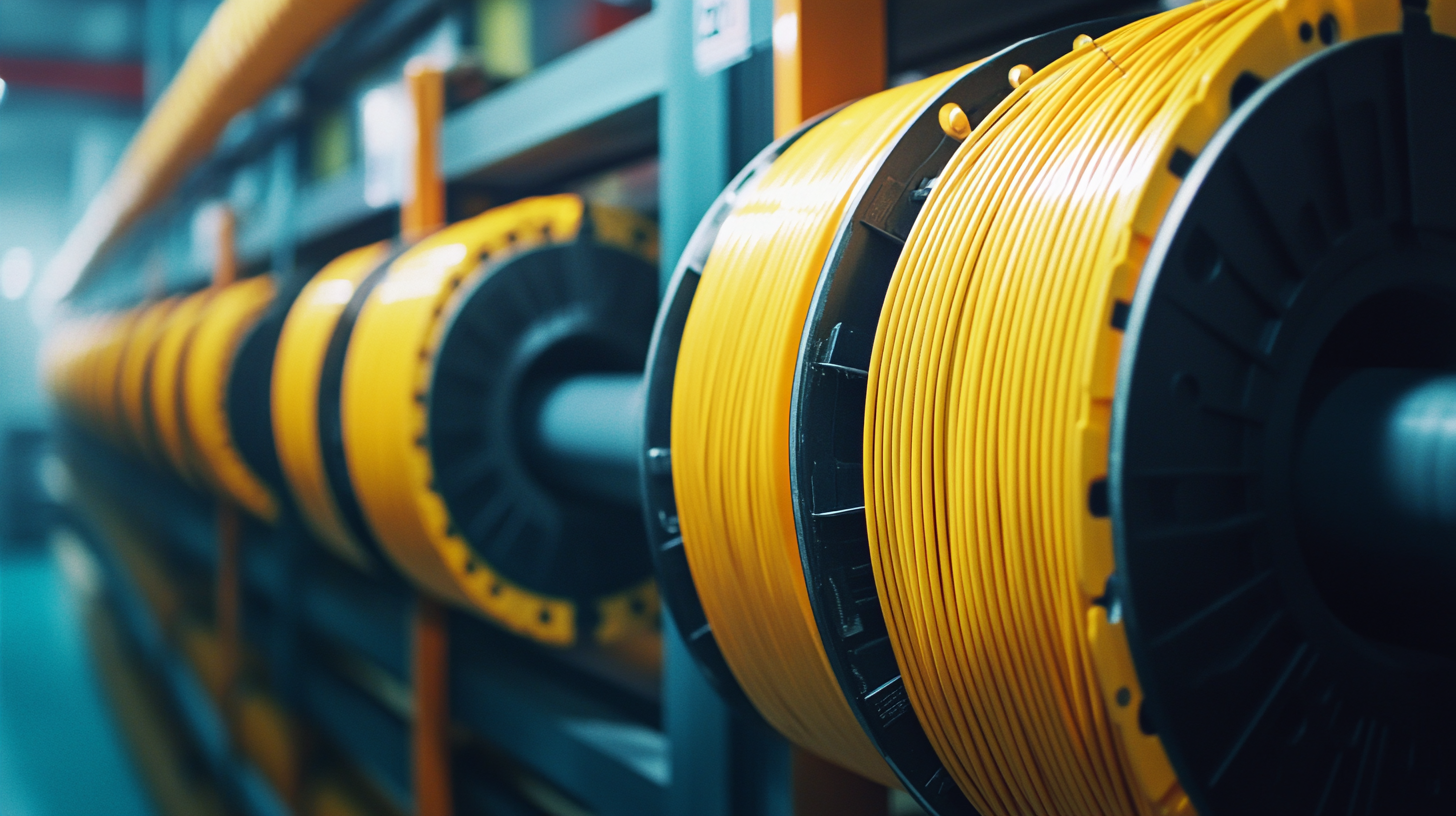
: Quality assurance is essential for ensuring performance and longevity in telecommunication and power transmission systems.
The global demand for OPGW cables is expected to grow by 5% annually due to the increasing integration of renewable energy sources and advancements in telecommunication networks.
Procurement professionals can adopt best practices such as thorough supplier evaluations based on ISO 9001 certification standards.
Adherence to ISO 9001 quality management principles can reduce supply chain risks by up to 30%.
Standard quality testing processes include tensile strength, temperature resistance, and corrosion tests.
Standardizing testing processes helps ensure that only the most reliable cables are utilized in critical installations.
Prioritizing quality assurance measures significantly enhances the reliability and efficiency of OPGW installations.
Procurement professionals are responsible for implementing best practices and ensuring that high-quality cables are sourced and tested.
Neglecting quality assurance can lead to unreliable installations, increased maintenance costs, and potential system failures.
The growth in renewable energy creates an increasing need for reliable OPGW cables to support new telecommunication infrastructure and power transmission systems.