As the world keeps pushing for more reliable and efficient energy solutions, the importance of Mv Power Cables just keeps growing. You know, recent market reports suggest that the global market for medium voltage power cables is expected to hit around USD 28.28 billion by 2026. That’s pretty major—it really shows how the industry’s moving towards greener energy sources and upgrading infrastructure.
 Here at HENAN TINDE POWER CO., LTD., we’re really focused on installing and researching power equipment and cable systems. We’re passionate about pushing the boundaries of energy distribution tech and staying ahead of the curve. Since Mv Power Cables are so crucial for reducing energy losses and keeping the power flowing smoothly, we want to share how they’re really making a difference in today’s energy projects.
In the end, it’s all about helping create a cleaner, more efficient energy future — and we’re excited to be part of that journey.
Understanding Mv Power Cables: What Makes Them Essential for Modern Energy Systems
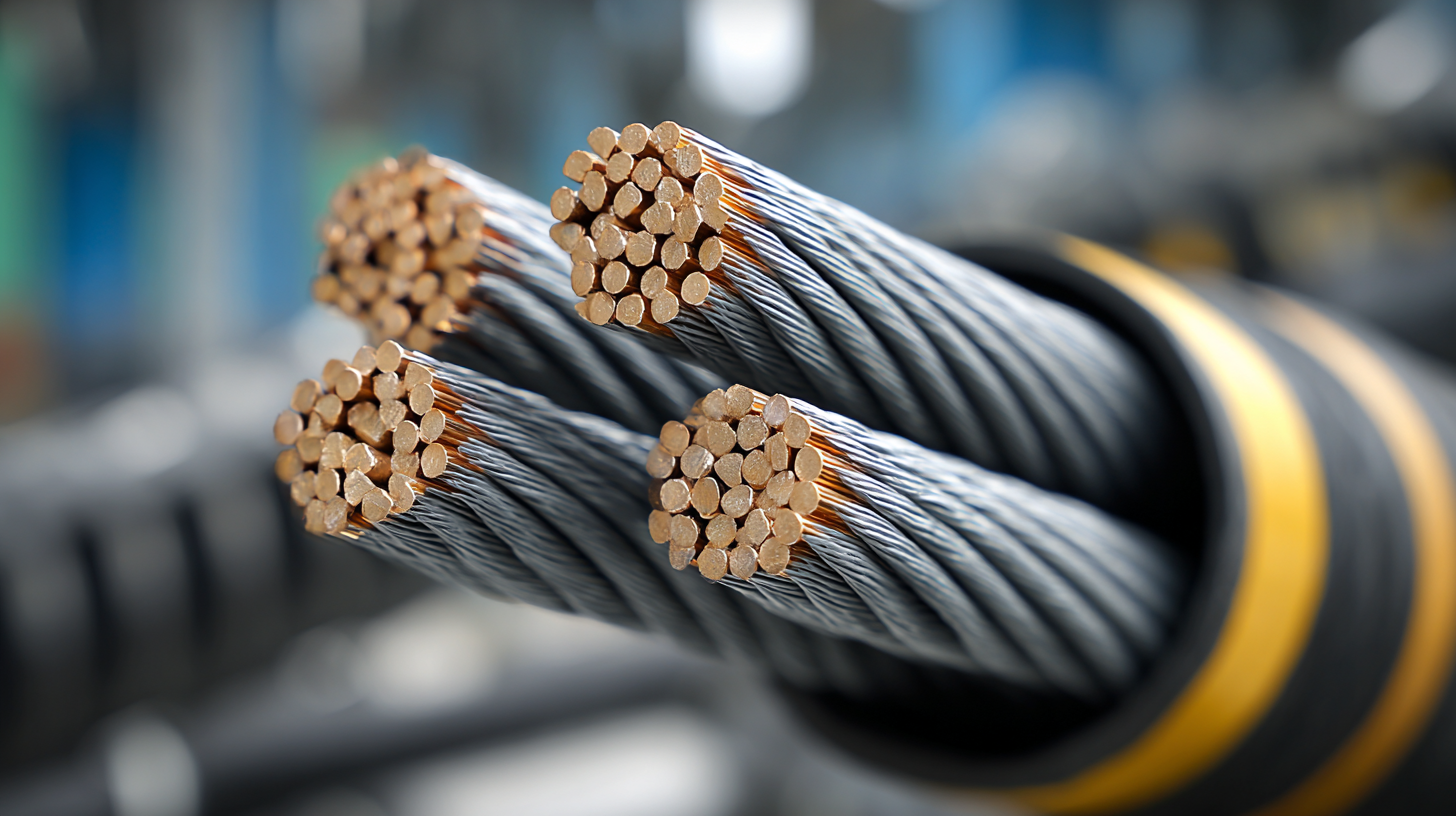
Medium Voltage (MV) power cables are pretty essential parts of our modern energy systems. They play a big role in safely and efficiently transmitting electrical power where it’s needed. Usually, these cables work within a voltage range of about 1 kV to 33 kV, so they’re perfect for a range of industrial and commercial uses. Thanks to their durable design and insulation materials, they can handle tough environmental conditions and still perform reliably over long distances. As more and more people and businesses need energy, using MV power cables just keeps getting more important for keeping our power grids stable and efficient.
At HENAN TINDE POWER CO., LTD., we’re all about providing top-quality MV cables and the gear that goes with them. We’re really committed to innovation and making sure our designs, installation processes, and research are always moving forward. By bringing in cutting-edge technology and the best materials, we help boost the performance and lifespan of power systems. Our know-how isn’t just about giving businesses the right infrastructure to grow — it’s also about helping shift toward cleaner, more sustainable energy practices. Basically, we’re here to make sure the power you rely on is reliable and ready for the future.
Key Benefits of Mv Power Cables in Industrial Applications
Today’s industrial scene is more and more dependent on advanced electrical solutions, which means Medium Voltage (MV) power cables are pretty much the backbone of efficient energy transfer. If you look at the global wires and cables market, it’s expected to grow at an annual rate of about 5.2%, and the real driver here is the demand for MV power cables. Why? Because they can reliably deliver power over long distances—something that’s absolutely crucial for industrial setups. Plus, these cables aren’t just safe thanks to better insulation; they also help cut down installation costs. That's a big plus, especially since everyone’s looking for dependable and cost-effective power distribution systems.
And let's not forget, pushing the market further are new materials and smarter design techniques. Take Cross-Linked Polyethylene (XLPE) cables, for example—they’re getting popular because they handle heat better and insulate more effectively. That’s exactly what’s needed in today’s energy systems. As more industries jump on the smart grid bandwagon, the durability and flexibility of MV cables are becoming totally essential. It’s a clear sign that we’re moving towards cleaner, more sustainable energy solutions that fit perfectly with modern industrial needs.
Key Benefits of MV Power Cables in Industrial Applications
Comparing Mv Power Cables to Traditional Electrical Cables
Medium-voltage (MV) power cables, usually running between 10 kV and 20 kV, are really becoming a vital part of today's electrical infrastructure — probably more than they used to be, especially when you compare them to the old-school traditional cables. When it comes to rural areas, the reliability of how power gets distributed really depends on how well these MV networks perform. They’re pretty much the backbone that gets electricity out to those hard-to-reach spots where regular solutions just don’t cut it. Recent studies show that having a solid MV system in place can make a big difference — it cuts down on outages and helps deliver energy more smoothly and efficiently.
And here’s something cool — the fact that MV cables can be used for more than just power. Like, you can attach fiber-optic cables to these same lines through aerial deployments. This not only speeds up the whole process of getting high-speed internet up and running, but it also means power and fast data can share the same route without a hassle. That kind of dual-use really gives MV cables an edge over older, more traditional options. It’s a smart move considering how much modern society relies on both reliable energy and fast connectivity. As industries keep pushing for better efficiency and better networks, jumping on the MV bandwagon could be a game-changer for utilities and end users alike.
Installation Best Practices for Ensuring Mv Power Cable Performance
When you're installing medium voltage (MV) power cables, it's super important to follow best practices to make sure everything runs smoothly. Doing it right not only helps these cables last longer, but it also tackles issues like transient overvoltage or cable faults—stuff that can pop up, especially in underground systems at renewable energy plants. These challenges mean you really need to pay close attention to the cable design and stick to industry standards if you want a reliable power distribution setup.
On top of that, it’s worth thinking about environmental factors that might affect these cables, like electromagnetic interference. Knowing how the electromagnetic fields from underground variable frequency cables work can really help prevent operational hiccups. And let’s not forget about grounding methods for metallic sheaths—they play a big role in how well the cables handle heat and how efficient they are overall. By keeping these things in mind and following the key installation tips, energy providers can boost both the safety and the efficiency of their projects. It’s all about making sure everything runs smoothly and safely from the get-go.
Innovations in Mv Power Cable Technology: What to Expect in the Future
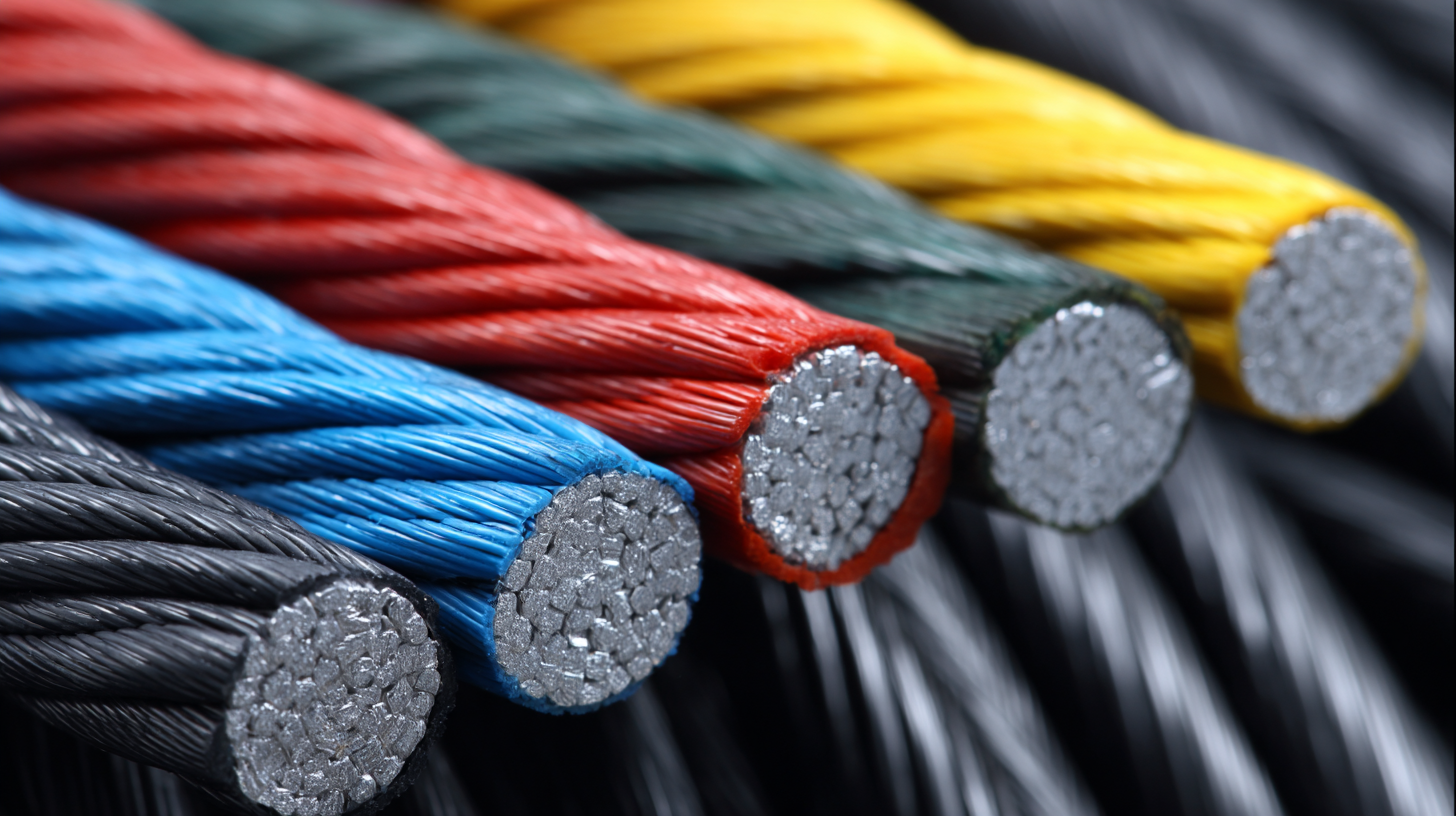
You know, the way Medium Voltage (Mv) power cable tech is evolving… it’s actually opening the door for some pretty exciting upgrades in how we distribute energy. A big part of this is in the materials they’re using for insulation and conductors. Lately, there’s been a lot of progress with cross-linked polyethylene (XLPE) and other composite materials, which really boost both the thermal and electrical performance of these cables. Not to mention, they’re getting tougher and more reliable overall. This means these cables don’t just last longer — they can also carry more current, which is super important given how much our energy needs are growing, especially with renewables and all those electric vehicle charging stations popping up everywhere. Next thing’s pretty cool too: smart tech is making its way into these cables. Sensors and monitoring gadgets can now be embedded right inside them, so you can get real-time updates on their condition. That’s a game-changer because it helps reduce maintenance costs and cuts down on unexpected outages. Plus, with better diagnostics, we can spot issues early and keep everything running smoothly. Honestly, with all these innovations coming down the pipeline, the future of Mv power cables looks pretty bright — more efficient, more reliable, and ready to support the energy systems of tomorrow.
Maintaining Mv Power Cables: Tips for Longevity and Efficiency
Keeping MV power cables in good shape is super important if we want our energy systems to stay reliable and efficient these days. I’ve read a report from the International Energy Agency (IEA), and it says that sticking to proper maintenance routines can cut down electrical failures by about 30%. That’s a big deal because it keeps things running smoothly and reduces unexpected downtime. Doing regular inspections and preventive checks helps spot potential problems early on—before they turn into costly issues—and really protects the integrity of your cables.
So, if you’re looking to get more life out of your MV power cables and keep them running at their best, here are a few tips. First off, keep an eye on ambient temperatures—overheating is a real enemy here. Make sure you’re following proper installation practices too; it might sound basic, but it makes a difference. Also, it’s a good idea to periodically test the insulation resistance. This can alert you to weak spots or early signs of deterioration, so you can fix things before they get worse. And if you’re into tech, consider using some of the latest monitoring tools that provide real-time data on how your cables are doing—that way, you’re always in the know.
Trust me, sticking to these maintenance habits not only helps your cables last longer but also makes your entire energy setup more efficient. In today’s world where energy needs are constantly changing, being proactive can save you a lot of money and help build a more sustainable infrastructure. Ultimately, good maintenance equals fewer worries, lower costs, and a more reliable energy supply that’s better for everyone.
Unlocking the Advantages of Mv Power Cable for Modern Energy Solutions - Maintaining Mv Power Cables: Tips for Longevity and Efficiency
| Characteristic |
Description |
Benefits |
Maintenance Tips |
| Voltage Rating |
Up to 36 kV |
Suitable for medium voltage applications. |
Regularly inspect for insulation wear. |
| Conductor Material |
Copper or Aluminum |
Good conductivity and flexibility. |
Ensure clean connections to reduce resistance. |
| Insulation Type |
Cross-linked Polyethylene (XLPE) |
High thermal and electrical resistance. |
Avoid exposure to extreme temperatures. |
| Armor |
Steel Wire or Aluminum Tape |
Provides mechanical protection. |
Inspect regularly for damage. |
| Operating Environment |
Indoor/Outdoor usage |
Versatile for various installation types. |
Monitor for moisture and rodent exposure. |
Harnessing the Power of BS 300/500V H05V-U Cable: A Deep Dive into PVC Single Conductor Hook-up Wires
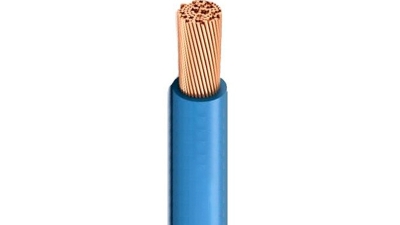
In the world of electrical wiring, the H05V-U Cable stands out as a crucial component for various applications, particularly in domestic and light industrial settings. This harmonized PVC European single-conductor hook-up wire features a solid bare copper core, ensuring exceptional conductivity and reliability. According to the International Electrotechnical Commission (IEC), the standardization of such cables significantly enhances safety and performance in electrical installations, which is vital given that faulty wiring accounts for nearly 30% of electrical fires reported annually.
The robust construction of H05V-U cables allows them to withstand various environmental conditions, making them ideal for internal wiring, connection to appliances, and general-purpose use. Industry reports indicate that the demand for PVC-insulated cables is on the rise, projected to grow at a CAGR of 4.5% from 2021 to 2027 due to their versatility and cost-effectiveness. The H05V-U not only meets but often exceeds the standards set forth by the European Union, enhancing its profile in markets that prioritize compliance and safety.
Moreover, the popularity of these cables is attributed to their flexibility and ease of installation. They are engineered to simplify the wiring process while reducing the risk of error. With their excellent insulation properties and resistance to abrasion, these cables ensure long-term performance in diverse applications, reinforcing the necessity of choosing dependable wiring solutions for efficient and safe electrical systems.
FAQS
: MV power cables are used for electricity distribution typically between 10 kV to 20 kV, playing a crucial role in modern electrical infrastructure, especially in rural areas where they efficiently transmit power to remote locations.
A well-implemented MV system significantly enhances service reliability by reducing outages and improving overall energy delivery efficiency compared to traditional electrical cables.
One innovative solution is the deployment of aerial fiber using MV power lines, which allows for the coexistence of power and high-speed communication infrastructure, making installation faster and more efficient.
Best practices include addressing issues such as transient overvoltage, considering cable design according to industry standards, and paying attention to environmental factors like electromagnetic interference.
Proper maintenance practices can reduce electrical failures by 30%, significantly boosting operational uptime and ensuring reliability and efficiency in energy solutions.
Tips include monitoring ambient temperatures, following proper installation techniques to prevent overheating, conducting insulation resistance testing, and using advanced monitoring technologies for real-time data on cable performance.
Monitoring ambient temperatures is crucial to prevent overheating, which can lead to deterioration and affect the overall performance and longevity of the MV power cables.
Advanced monitoring technologies provide real-time data on cable performance, allowing for timely interventions and enhancing overall maintenance strategies.
Proactive cable management can extend the lifespan of MV power cables, contribute to overall energy efficiency, reduce operational costs, and support sustainable energy infrastructure initiatives.
Proper grounding methods for metallic sheaths can significantly affect the thermal performance and efficiency of the cable system, enhancing its reliability in power distribution networks.
Conclusion
Hey there! Have you checked out our latest blog, 'Unlocking the Advantages of Mv Power Cables for Modern Energy Solutions'? It’s a pretty cool deep dive into just how important these cables are in today’s energy systems. Basically, they’re the backbone when it comes to efficiently transmitting electricity over medium voltages—crucial for modern industries and tech. We also compare Mv Power Cables with your standard electrical cables to show you why they’re often the smarter choice, offering better performance and reliability.
We go a step further by sharing some tips on how to install these cables properly, so you get the best results and avoid any headaches down the line. Plus, we talk about some pretty exciting innovations in cable tech—things that could make these systems even more efficient and last longer. And of course, there are handy maintenance tips to help extend the lifespan of these cables. At HENAN TINDE POWER CO., LTD., we’re super passionate about pushing forward with power solutions, and we really believe in encouraging the use of Mv Power Cables for better energy efficiency and sustainability across different sectors. It’s all about making energy smarter and greener, you know?