


How to Judge the Safety Performance of Cables
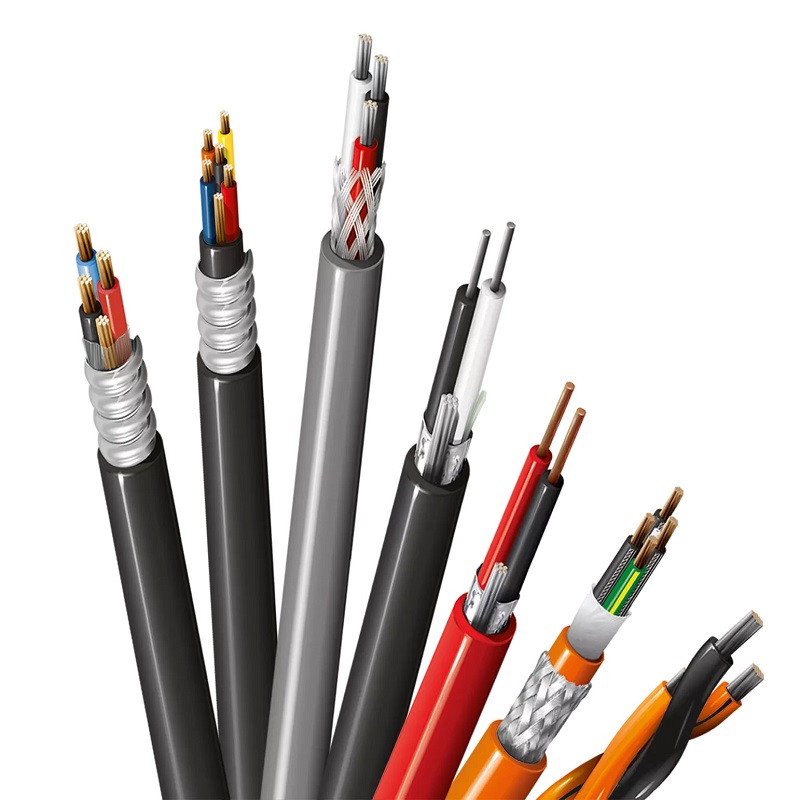
The safety performance of wire and cable includes the safety performance of conductor materials, the safety performance of insulating materials, the safety performance of outer protective layer, and the use of wire and cable environment and power and other factors. The following will describe in detail the method of judging the safety performance of wire and cable.
- Safety performance of conductor material:
Conductor material is the core part of wire and cable, which plays a vital role in the safety performance of wire and cable. First of all, it can be judged from the two aspects of conductor material and specification.
- Material: Common conductor materials are copper and aluminum. Copper wire has good electrical and thermal conductivity and strong oxidation resistance. Aluminum wire is relatively cheap, but the conductivity is poor, easy to moisture and oxidation, the need for special protective measures.
- Specification: The cross-sectional area of the wire will affect the transmission capacity and rated current capacity of the wire. In the selection of wires, it is necessary to select the appropriate specifications according to the actual load.
- Safety performance of insulation materials:
Insulation is an important part of protecting conductors and preventing current leakage. Common insulating materials are polyethylene, polyvinyl chloride, crosslinked polyethylene and so on. The safety performance of insulating materials can be evaluated from the aspects of compressive strength, temperature resistance, fire resistance and aging resistance of insulating materials.
- Safety performance of the outer protective layer:
The outer sheath is mainly used to protect insulation and conductors from moisture and mechanical damage. Common outer coating materials are polyvinyl chloride, polyethylene, polyester and so on. Evaluation of the safety performance of the outer protective layer can be judged from the aspects of wear resistance, softness, oil resistance, acid and alkali resistance, fire resistance, and weather and environmental resistance.
- The use of wire and cable environment:
The use of wire and cable environment has a greater impact on its safety performance, especially the wire and cable exposed to outdoor or harsh environments. According to the different use environment, you can choose the corresponding wire and cable type. For example, outdoor wire and cable should have weather resistance, water and moisture resistance, UV resistance and low temperature resistance.
- Power and rated current capacity of wire and cable:
According to the load requirements of the circuit to choose the appropriate power of the wire and cable, but also need to choose the appropriate rated current capacity according to safety standards and regulations. Overload or short circuit can lead to overheating of wire and cable, smoke, and even fire, so the correct choice of power and current capacity of wire and cable is very important.