




Single Core Cable Vs. Multi-core Cable

In the fields of construction, mechanical equipment, etc., cables are an indispensable electrical component.
What is a single core cable
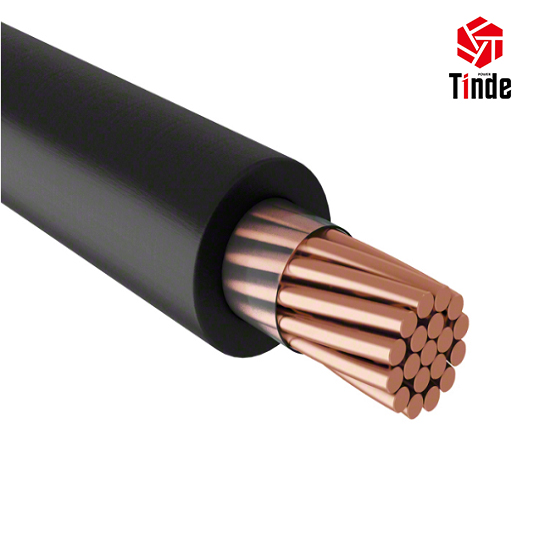
A single core cable is a cable with only one conductor. Its main feature is that it has high insulation performance and good withstand voltage capability, and is suitable for transmission of high voltage and large current. Since single-core cables have only one conductor, they produce much less electromagnetic interference than multi-core cables, which is important for applications that require a high degree of precision. The single-core cable also has a small outer diameter and good anti-corrosion performance, which is suitable for installation in narrow spaces.
What is a multi-core cable
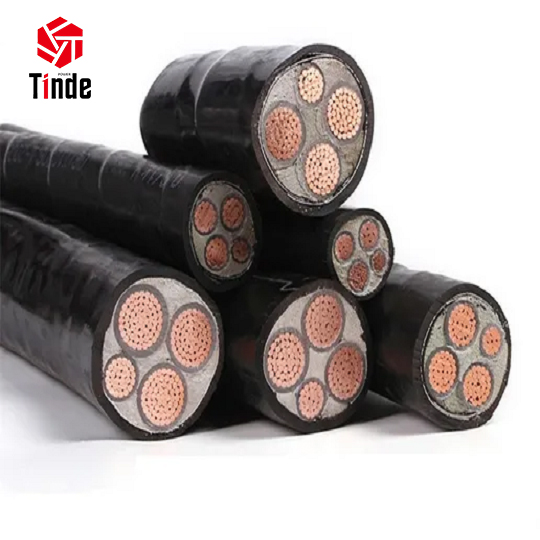
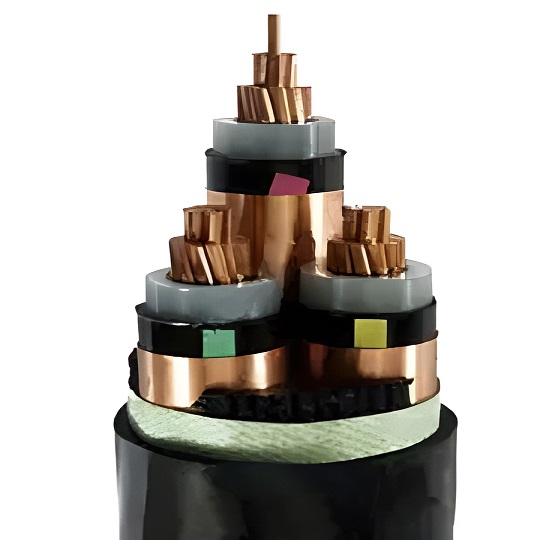
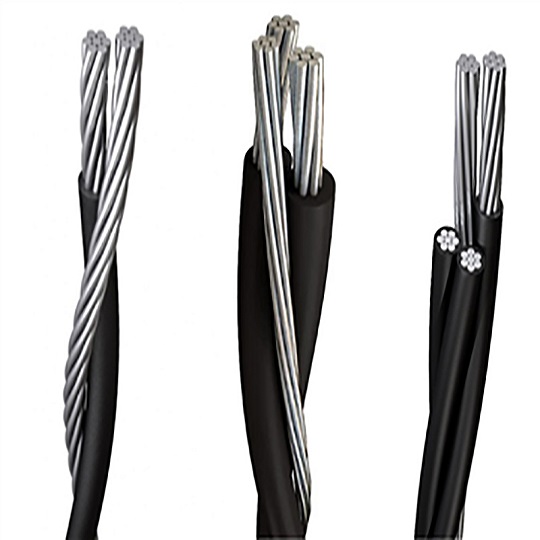
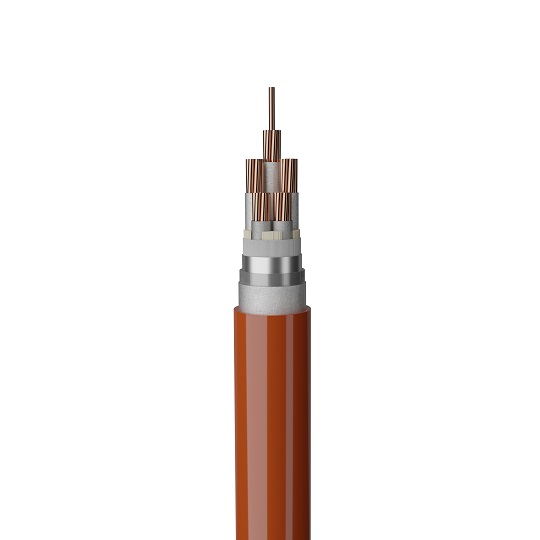
A multi-conductor cable is a cable consisting of multiple conductors. Its main feature is that it can transmit multiple electrical signals or power signals at the same time, so it is suitable for low-voltage control and communication systems, such as data transmission, telephone lines, etc. Multi-core cables can be further divided into different types such as twisted pair, coaxial cable and shielded cable for different application scenarios. The number of conductors in multi-core cables is large, resulting in increased mutual electromagnetic interference, but the use of appropriate shielding materials can effectively reduce the impact of electromagnetic interference.
Advantages and disadvantages of single-core cables and multi-core cables
Both single-core and multi-core cables have advantages and disadvantages. The advantage of a single-core cable is that it has high insulation performance and voltage resistance, and at the same time, the electromagnetic interference is relatively small, but because it has only one conductor, it cannot transmit multiple signals. The advantage of multi-core cables is that they can transmit multiple signals at the same time, which is suitable for complex control systems and data transmission scenarios, but their resistance to electromagnetic interference is poor.
How to choose single-core cable and multi-core cable
The purpose of the cable: To choose a suitable cable, you first need to consider its specific use. If it is a scene that needs to transmit high voltage and high current, it is recommended to choose a single-core cable; if it is necessary to transmit multiple signals or the cable needs to withstand certain electromagnetic interference, it is recommended to choose a multi-core cable.
Conclusion
There are certain differences between single-core cables and multi-core cables in terms of the number of conductors, range of applications, and anti-interference capabilities. When selecting cable materials, it is necessary to select appropriate cable materials according to specific application requirements to ensure that the selected cable materials have better performance and durability. In addition, we also need to pay attention to the installation and use conditions of the cable to prolong the service life of the cable.