



The basic structure and characteristics of power cables
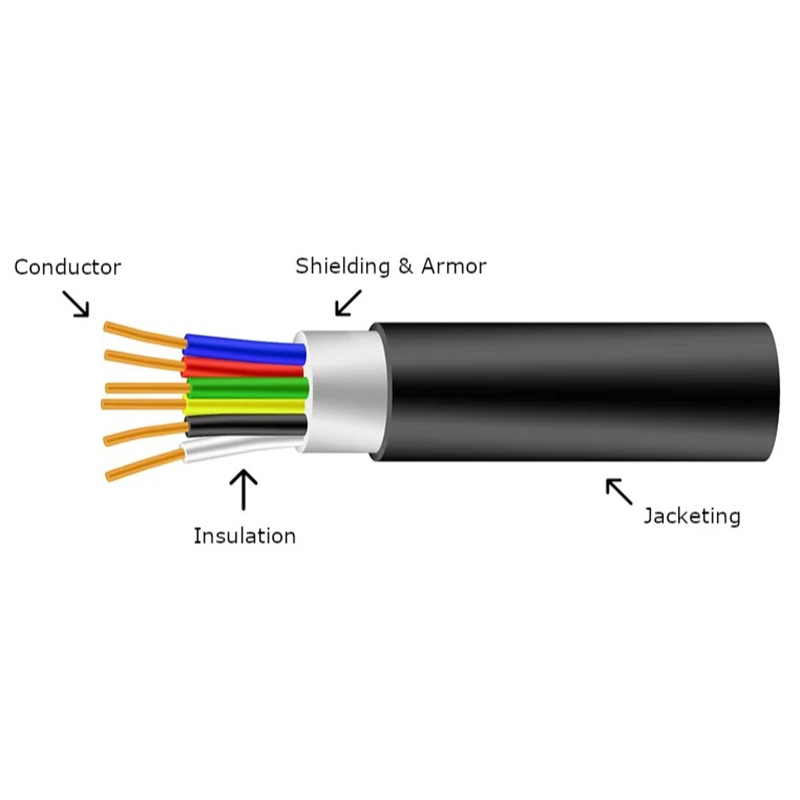
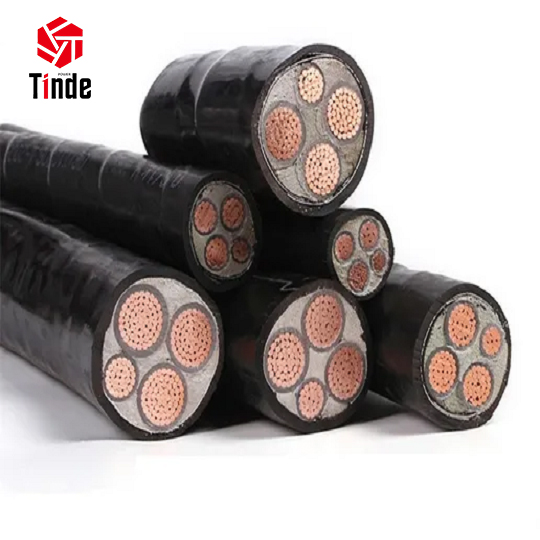
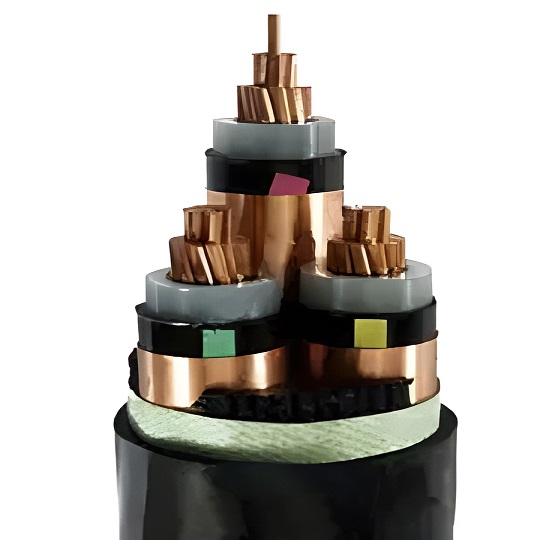
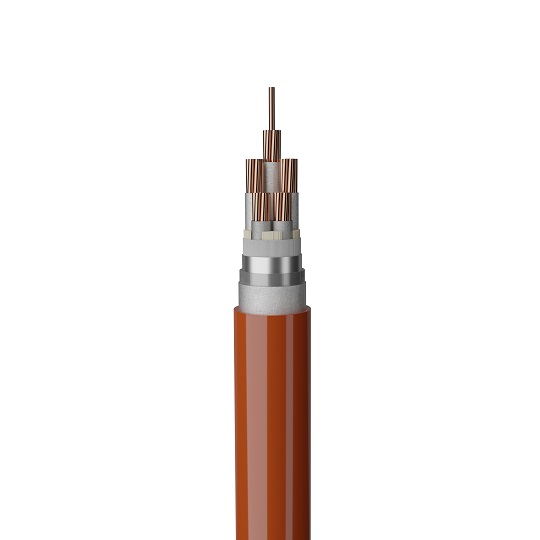
The basic structure of the power cable consists of a core (conductor), an insulating layer, a shielding layer and a protective layer.
Core (conductor):
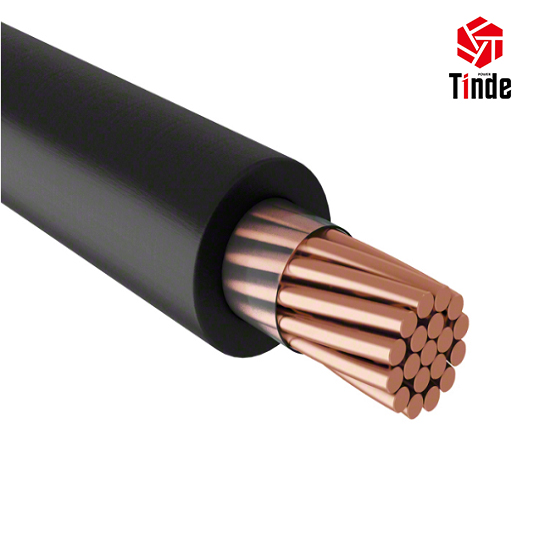
The core is the conductive part of the power cable that is used to carry electrical energy and is the main part of the power cable.
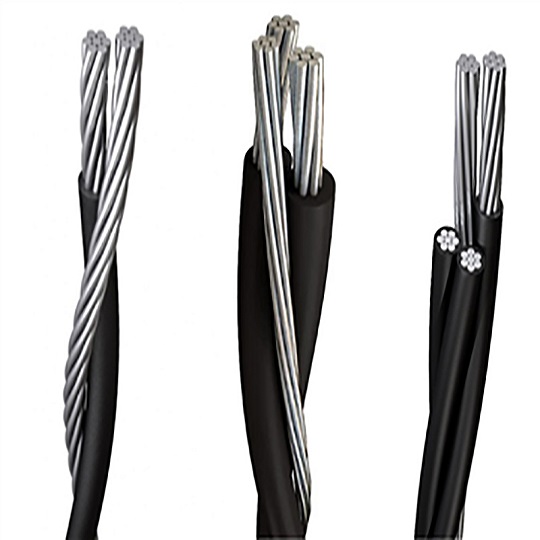
The cable core usually has two kinds of copper core and aluminum core.
The core cross-section has three shapes: circular, semi-circular and fan-shaped.
Three-core and four-core low-voltage cables use fan-shaped cores. Depending on the type and specification of the cable, the core can be made into a single strand or a stranded core.
The stranded core is made up of a single strand and a single strand.
Insulation:
The insulating layer electrically isolates the core from the earth and the cores of different phases to ensure electrical energy transmission, and is an indispensable component of the power cable structure.
Commonly used plastic insulated cables, such as polyvinyl chloride(PVC), polyethylene(PE) and cross-linked polyethylene(XLPE).
Shield:
Power cables of 15KV and above generally have a conductor shield and an insulating shield.
The Protective Layer
The role of the protective layer is to protect the power cable from external impurities and moisture, and to prevent external forces from directly damaging the power cable.
In order to prevent mechanical damage, electrochemical corrosion and moisture intrusion, the cable core and insulation layer of the power cable have a tight protective layer.