

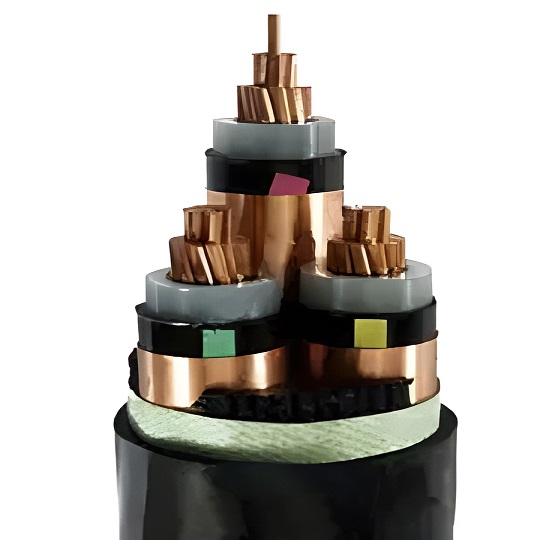
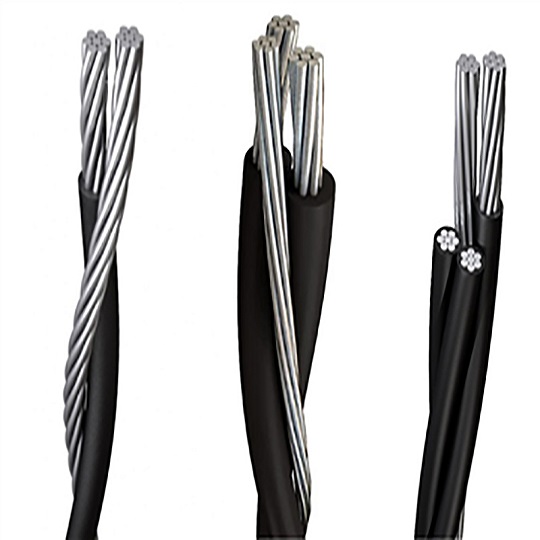
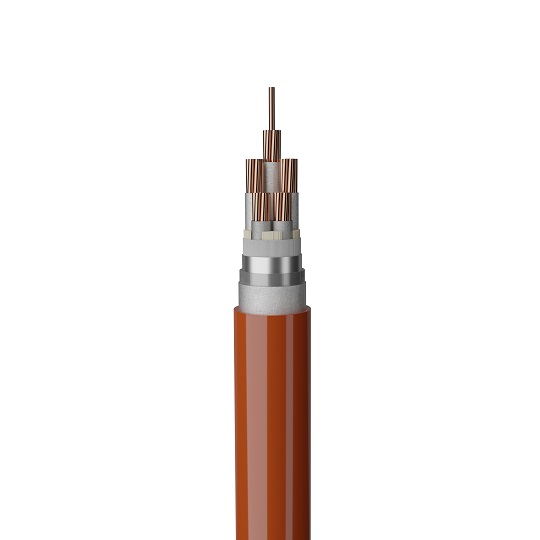


Understanding the Differences Between Halogen-Free Cables and Fire-Resistant Cables
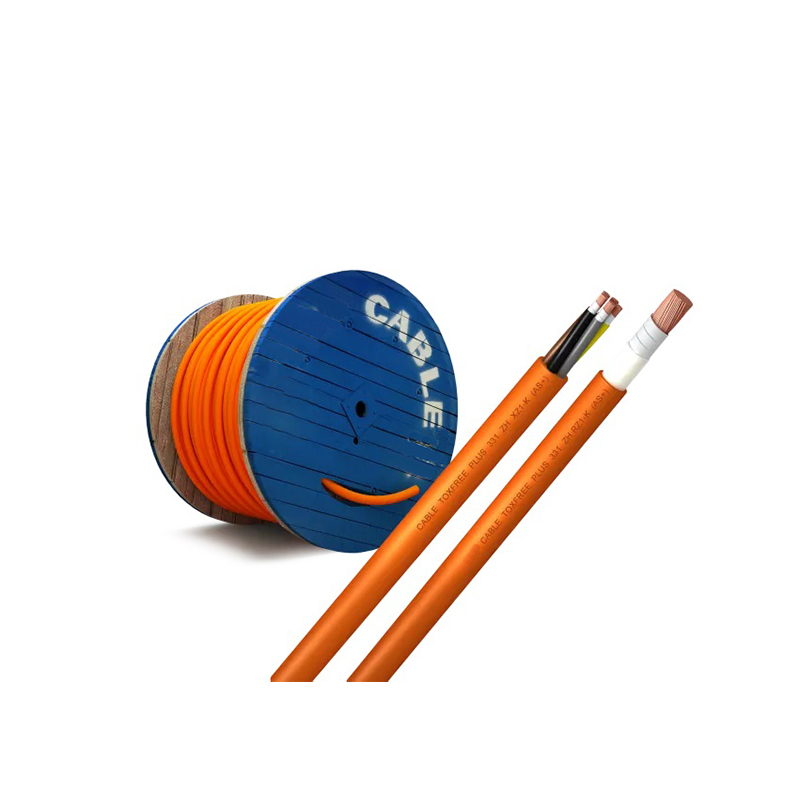
In the field of electrical engineering, the choice of cable materials is crucial for ensuring safety and performance. Two popular types of cables are halogen-free cables and fire-resistant cables, each designed to meet specific safety standards and applications. Understanding the differences between these two cable types is essential for industry professionals and consumers alike.
Halogen-free cables are designed to emit low levels of smoke and no halogen gases when exposed to fire. This characteristic is particularly important in enclosed spaces, such as offices, schools, and public transport systems, where smoke can obscure visibility and toxic gases can pose serious health risks. The materials used in halogen-free cables, such as polyethylene and polypropylene, are not only safer but also more environmentally friendly. They help reduce the overall environmental impact during manufacturing and disposal, making them an attractive option for eco-conscious projects.
On the other hand, fire-resistant cables are engineered to maintain circuit integrity and function during a fire. These cables are designed to withstand high temperatures and continue to operate for a specified period under fire conditions. They are typically used in critical systems, such as emergency lighting, fire alarms, and safety systems in buildings. Fire-resistant cables are often made with specialized insulation materials that can endure heat without melting or degrading, ensuring that essential services remain operational during a fire emergency.
While both halogen-free and fire-resistant cables focus on safety, their applications differ significantly. Halogen-free cables prioritize minimizing smoke and toxic emissions, making them suitable for general wiring in areas where safety is a concern. In contrast, fire-resistant cables are essential in environments where maintaining power and functionality during a fire is critical.
In recent years, the demand for both types of cables has increased as building codes and safety regulation